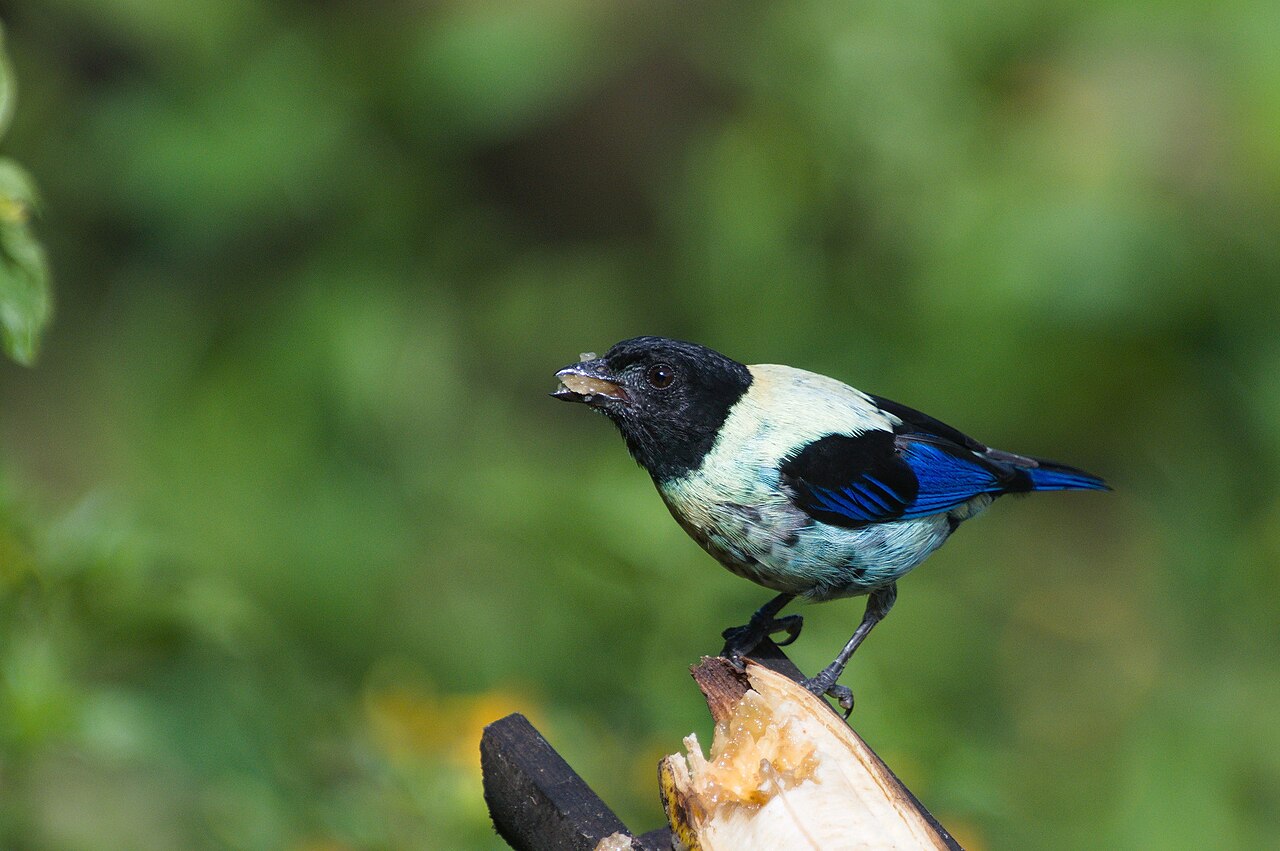
The black-headed sibia is a bird species in the family Leiothrichidae. In former times it was often included with the dark-backed sibia in H. melanoleuca. Together with most other sibias, it is sometimes separated in the genus Malacias.
Region
Indochina and southern China
Typical Environment
Occurs in montane evergreen and mixed broadleaf forests of southern China (e.g., Yunnan and Guangxi) and parts of Laos and Vietnam. It favors forest edges, secondary growth, and dense thickets within humid hill and cloud forests. Birds often use the midstory and canopy, occasionally descending to forage at fruiting shrubs. It is generally sedentary within suitable habitat but may roam locally following food resources.
Altitude Range
800–2600 m
Climate Zone
Subtropical
Ease of Keeping
Beginner friendly: 1/5
A member of the babbler family Leiothrichidae, the black-headed sibia was once lumped with the dark-backed sibia (H. melanoleuca) and is sometimes placed in the genus Malacias. It frequents mixed-species flocks in montane forests, moving methodically through foliage for insects and fruit. Its long tail and striking dark head make it fairly distinctive in its range.

Temperament
social and active
Flight Pattern
short rapid wingbeats
Social Behavior
Often travels in small groups and readily joins mixed-species foraging flocks. Pairs hold breeding territories and build cup-shaped nests concealed in dense shrubs or small trees. Both parents typically share incubation and chick-rearing duties.
Migratory Pattern
Resident
Song Description
A series of clear, sweet whistles interspersed with thin, sibilant notes. Calls include high, sharp contact notes used to keep in touch while moving through foliage.
Plumage
Long-tailed sibia with a velvety black head contrasting with a pale throat and underparts; upperparts are gray-brown with slightly warmer tones on the wings and flanks. Tail is long with paler edges and often subtle white tips. Overall sleek, smooth plumage with fine feathering around the face.
Diet
Takes small insects and other arthropods gleaned from leaves and twigs. Also consumes berries and other soft fruits, and may sip nectar when available. Diet can shift seasonally, with more fruit taken when insects are scarce.
Preferred Environment
Forages in the midstory to canopy of humid montane forests and along forest edges. Frequently visits fruiting trees and dense thickets, and often feeds while accompanying mixed-species flocks.