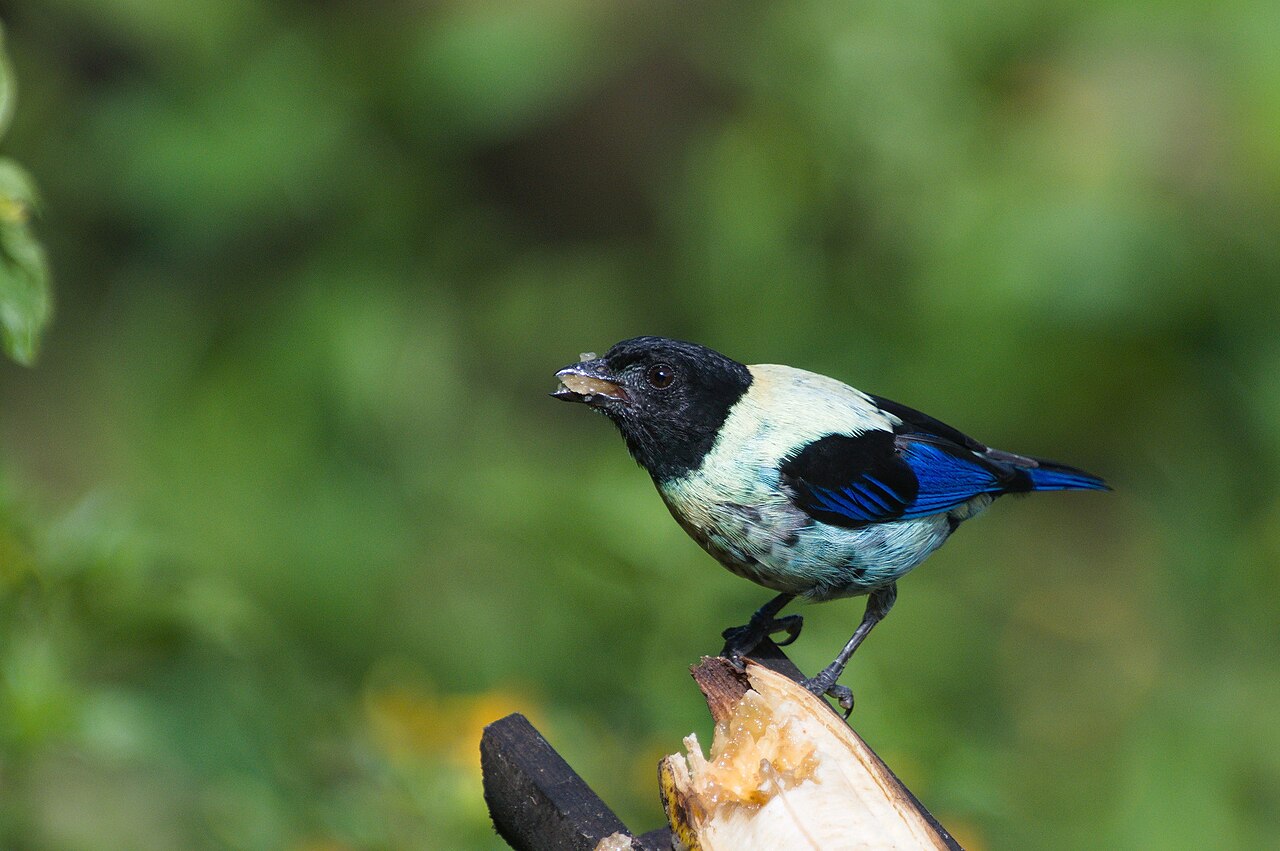
The black-headed siskin is a species of finch in the family Fringillidae. It is found in Mexico, Belize, El Salvador, Guatemala, Honduras, and Nicaragua. Its natural habitats are subtropical or tropical moist montane forest and heavily degraded former forest.
Region
Mesoamerica
Typical Environment
Occurs from southern Mexico through Belize, Guatemala, El Salvador, Honduras, and into Nicaragua. It inhabits subtropical and tropical moist montane forests, pine–oak woodlands, forest edges, and degraded or second-growth areas. The species uses canopy and edge habitats and often forages in weedy clearings and along roadsides. It adapts well to mosaic agricultural landscapes such as shade coffee, provided tall trees remain. Local movements track seeding trees and herbs across elevations.
Altitude Range
1000–3000 m
Climate Zone
Highland
Ease of Keeping
Beginner friendly: 2/5
This small finch favors highland forests and edges, often forming lively flocks outside the breeding season. Males show a striking black head contrasted with bright yellow, while females are duller and more olive. It readily exploits second-growth and disturbed habitats, including coffee plantations. Local altitudinal movements occur as food resources shift through the year.


Spinus notatus passing the Isthmus of Panama when it was closed
Temperament
social and active
Flight Pattern
short rapid wingbeats with undulating, bounding flight
Social Behavior
Outside the breeding season it often gathers in small to medium flocks, sometimes mixing with other finches. Pairs form in the breeding season, and the female builds a small cup nest in a tree or tall shrub. Clutch size is typically small, and both parents attend fledglings. Displays include fluttering flights and persistent song by the male.
Migratory Pattern
Partial migrant
Song Description
A bright, rapid series of twitters, trills, and buzzy notes delivered in short bursts from perches or in display flight. Contact calls are thin, rising tsit or tsiu notes, often exchanged within foraging flocks.
Plumage
Male shows a glossy black head and throat with bright yellow underparts, yellow rump, and greenish-yellow back; wings and tail are black with bold yellow patches. Female is duller olive to greenish with a faint or no black hood, more streaking, and paler yellow on wings and underparts. Both sexes have fine, neat plumage typical of siskins with clear wing bars.
Diet
Primarily granivorous, taking seeds from composites, grasses, and trees such as pines and alders. It also consumes buds and small fruits when available. During the breeding season it supplements with small insects and spiders, especially for nestlings. Foraging is agile, often hanging to reach seed heads and catkins.
Preferred Environment
Feeds along forest edges, in second growth, and in open patches within montane forest and pine–oak woodland. Frequently uses weedy roadsides, regenerating clearings, and shade-coffee plantations where seeding plants and tall trees are present.