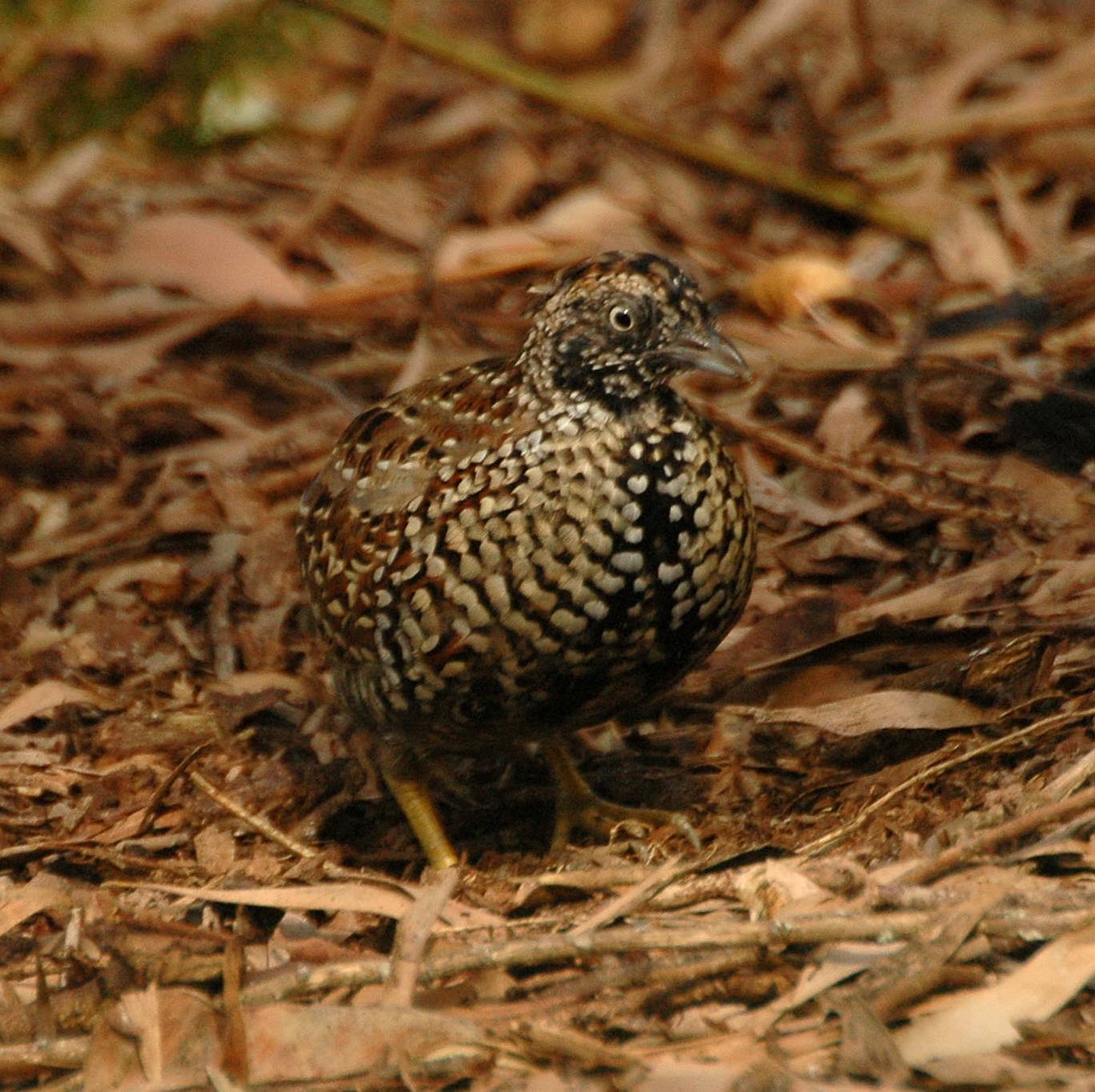
The black-billed weaver is a species of bird in the family Ploceidae. It has multiple isolated elevated populations across sub-Saharan Africa : the Western High Plateau, the Albertine Rift montane forests and the East African montane forests.
Region
Central and East African Highlands
Typical Environment
Occurs discontinuously in montane and submontane forests and forest edges from Cameroon’s highlands through the Albertine Rift (eastern DRC, Rwanda, Burundi, Uganda) to the highlands of Kenya and northern Tanzania. Prefers mature evergreen or bamboo-dominated forests, secondary growth, and wooded ravines. Often remains in mid- to upper-canopy but also visits clearings and forest edges. Local movements may occur in response to food availability and breeding.
Altitude Range
900–2800 m
Climate Zone
Highland
Ease of Keeping
Beginner friendly: 2/5
This forest-dwelling weaver occurs in several isolated montane blocks across sub‑Saharan Africa, including Cameroon’s Western High Plateau, the Albertine Rift, and the East African montane forests. Males weave neat, suspended nests from strips of leaves and grass, often in small colonies. Its consistently dark bill helps distinguish it from similar yellow-olive weavers whose bill color varies seasonally. It can be shy within dense canopy, more often heard by its buzzy chatter than seen.

Temperament
social and active
Flight Pattern
short rapid wingbeats
Social Behavior
Typically nests in small colonies or loose groups, with males weaving pendant nests from strips of leaves and grass. Polygynous tendencies are common in weavers, with males displaying near nests to attract females. Nests are placed in trees or shrubs at forest edges, along streams, or in clearings within montane forest.
Migratory Pattern
Resident
Song Description
Calls are buzzy chatters, sharp chips, and brief, sputtering trills delivered from canopy perches. The song is a hurried, scratchy series of notes interspersed with metallic ticks, often given in chorus within colonies.
Plumage
Compact weaver with yellow-olive to olive-brown upperparts and paler yellowish underparts, often with subtle streaking on the breast and flanks. Plumage appears greener in shade and brighter in good light; non-breeding birds are duller and more streaked.
Diet
Feeds on a mix of seeds, small fruits, and a variety of arthropods such as beetles, caterpillars, and spiders. During breeding, invertebrates form a larger portion of the diet to provision nestlings. It occasionally gleans nectar or sap exudates. Forages both by gleaning from foliage and probing seed heads.
Preferred Environment
Usually forages in mid- to upper-canopy of montane forest and along edges, also descending to shrubs and rank grass near forest clearings. Small groups may join mixed-species flocks in the canopy.