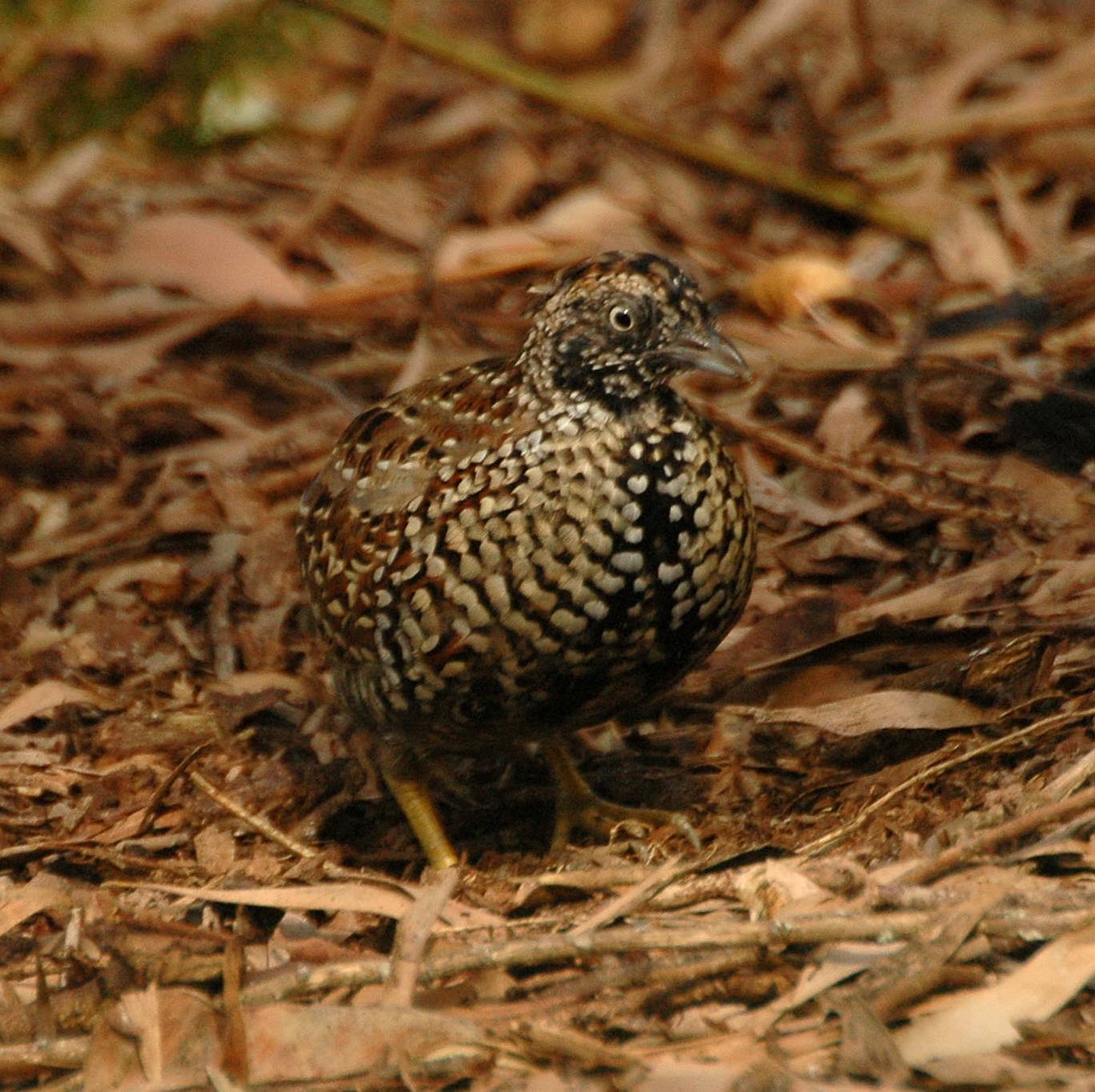
The black-breasted barbet is a species of bird in the Lybiidae family. It is found in Central African Republic, Chad, Sudan, South Sudan, and the extreme northeast of Democratic Republic of Congo and northern Uganda.
Region
Central and Northeast Africa
Typical Environment
Occurs from the Central African Republic and Chad east through Sudan and South Sudan, with outliers in extreme northeast Democratic Republic of the Congo and northern Uganda. It frequents wooded savanna, dry and riverine woodlands, and edges of gallery forest. The species often follows fruiting trees along watercourses and in mixed farmland-woodland mosaics. It tolerates lightly settled areas with scattered large trees but avoids dense closed-canopy forest.
Altitude Range
200–1300 m
Climate Zone
Tropical
Ease of Keeping
Beginner friendly: 2/5
This African barbet is often detected by its resonant, repetitive duet before it is seen. It plays an important role in seed dispersal by feeding on a variety of wild fruits, especially figs. It nests in self-excavated cavities in dead or soft wood and may reuse favorite trees across seasons.

Temperament
social and active
Flight Pattern
short rapid wingbeats
Social Behavior
Usually seen in pairs or small family groups moving between fruiting trees. Pairs maintain territories and nest in cavities they excavate in dead limbs or soft wood. Breeding is seasonal with clutches of a few eggs, and both sexes share nesting duties.
Migratory Pattern
Resident
Song Description
Gives loud, resonant, repetitive hoots and bubbling notes, often in synchronized duets between mates. Songs carry far through savanna woodland and are used for territory advertisement.
Plumage
Robust barbet with a solidly dark breast contrasting with paler underparts and darker upperparts; feather bases around the bill bear bristles. Overall plumage is cleanly demarcated between the black breast/throat and lighter belly.
Diet
Primarily consumes fruits and berries, notably figs, complemented by other wild fruits in season. Also takes insects such as beetles, ants, and caterpillars, gleaned from foliage or snapped from trunks and branches. Occasionally eats seeds and small invertebrates found while probing bark crevices.
Preferred Environment
Feeds in the mid- to upper canopy of fruiting trees within savanna and riverine woodland. Will visit farmland edges, village trees, and hedgerows when suitable fruiting resources are present.