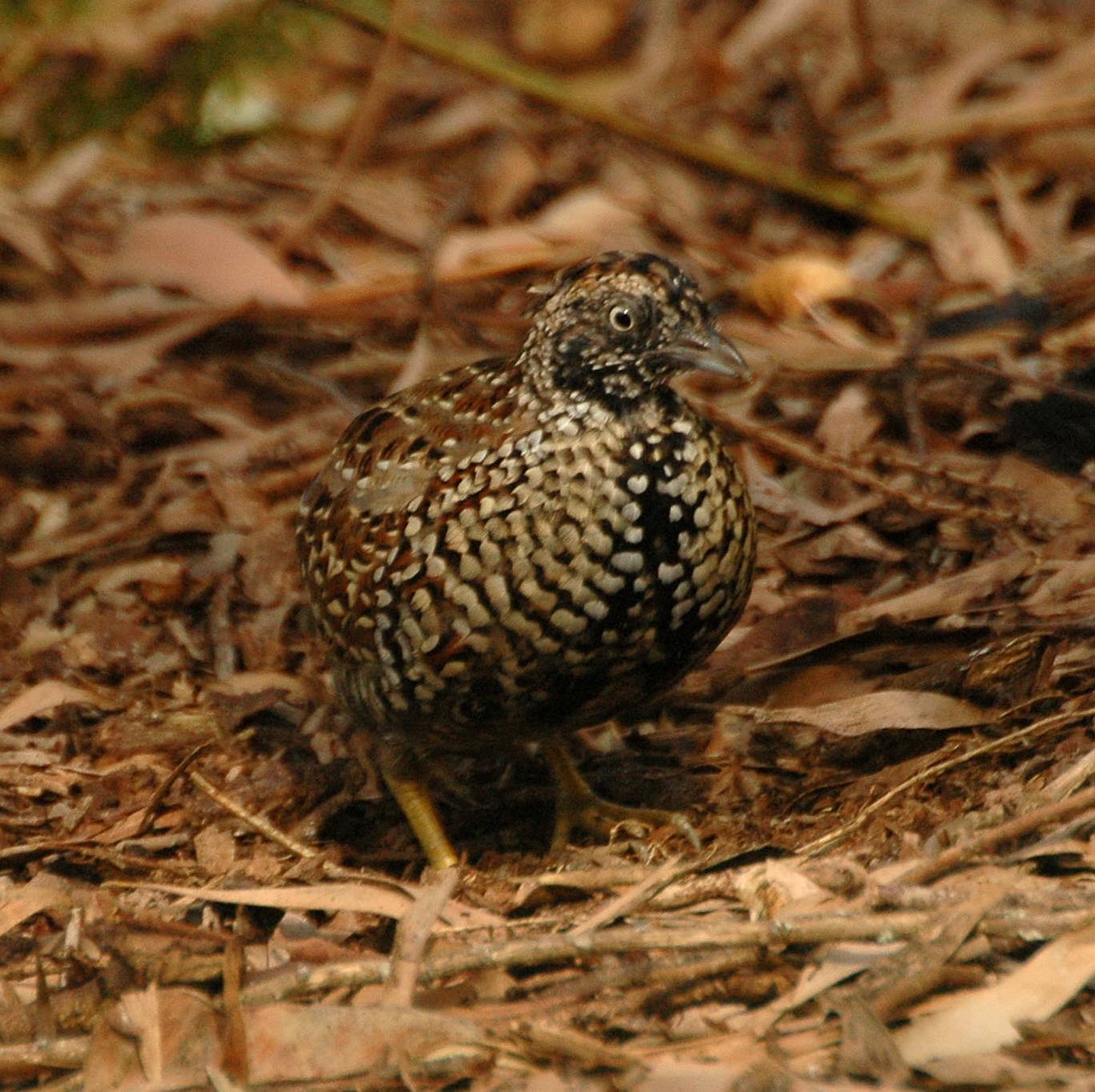
The black-breasted boatbill is a species of bird in the family Machaerirhynchidae. It is found in New Guinea. Its natural habitat is subtropical or tropical moist montane forests. It is most commonly seen alone, but sometimes in pairs or mixed-species flocks. It is non-migratory.
Region
New Guinea Highlands
Typical Environment
Occurs throughout moist montane forests of the New Guinea central cordillera, including mossy forest, forest edges, and secondary growth. It favors the midstory and lower canopy where it gleans and sallies for arthropods. The species tolerates some habitat disturbance and can be found along ridgelines and in forest gaps. It is generally local but can be fairly common where suitable habitat persists.
Altitude Range
900–2600 m
Climate Zone
Highland
Ease of Keeping
Beginner friendly: 1/5
The black-breasted boatbill is a small New Guinea highland passerine with a distinctive broad, flattened bill adapted for sallying after insects. It typically forages alone or in pairs but readily joins mixed-species flocks in montane forest midstory. Males show a striking black breast band that contrasts with paler underparts, aiding quick field identification. It is a resident species and does not undertake long-distance migrations.

Temperament
active and somewhat inconspicuous
Flight Pattern
short rapid wingbeats with quick sallies
Social Behavior
Usually solitary or in pairs while foraging, but frequently joins mixed-species flocks moving through the midstory. Nests are typically well-concealed in montane forest vegetation. Pair bonding and territory defense are most evident during the breeding season.
Migratory Pattern
Resident
Song Description
A series of thin, high-pitched whistles and short trills delivered from midstory perches. Calls include sharp ticks and soft chip notes used to keep contact in dense foliage.
Plumage
Compact, short-tailed bird with smooth upperparts and clean, contrasting underparts; males show a bold black breast band with paler throat and belly.
Diet
Primarily small insects and other arthropods, including flies, beetles, moths, and spiders. It captures prey by sallying from perches and by gleaning from leaves and twigs. The broad, flat bill helps it snatch agile prey in brief aerial sorties. It occasionally takes small caterpillars and other soft-bodied invertebrates.
Preferred Environment
Midstory and lower canopy of moist montane forest, especially along edges, gaps, and mossy branches. Frequently follows mixed-species flocks to exploit disturbed insects and shared vigilance.