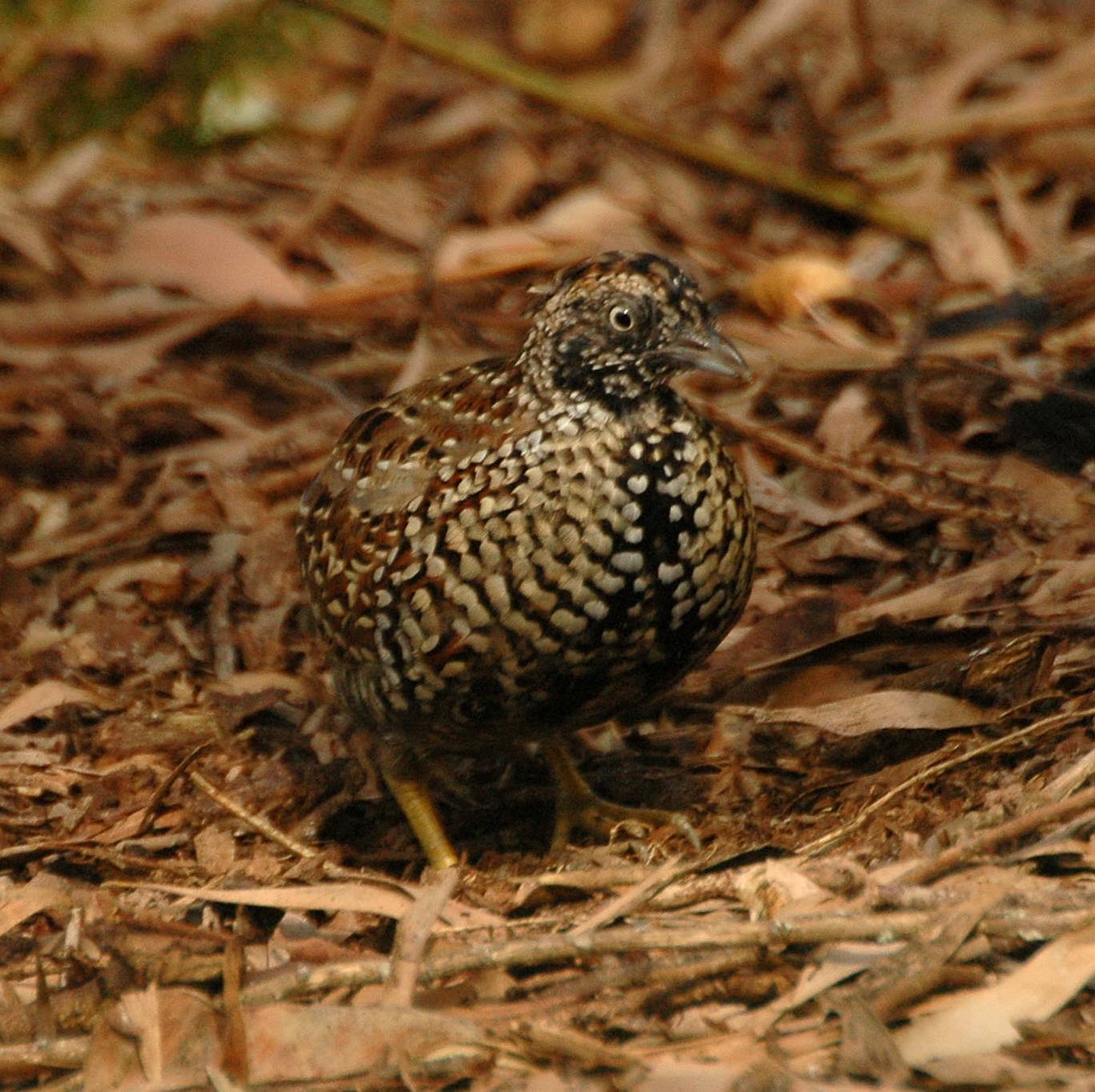
The black-billed wood hoopoe is a species of bird in the family Phoeniculidae. It is native to eastern Africa where it is found in wooded and scrubby areas.
Region
Horn of Africa
Typical Environment
Occurs in dry savannas, thorn-scrub, and open woodland, especially Acacia-Commiphora habitats. It frequents riparian trees and older stands with ample cavities for nesting and roosting. The species readily uses edges, clearings, and even wooded areas near villages and grazing lands. It avoids dense closed-canopy forests but will move along tree lines and windbreaks to forage.
Altitude Range
Sea level to 2000 m
Climate Zone
Arid
Ease of Keeping
Beginner friendly: 1/5
Black-billed wood hoopoes live in tight-knit family groups that practice cooperative breeding, with older offspring helping to raise new chicks. Unlike the similar Green Woodhoopoe, this species has a distinctly black bill in both sexes. They roost communally in tree cavities and keep in contact with loud, laughing choruses. Their long, decurved bill is specialized for probing bark and crevices for invertebrates.

Temperament
social and active
Flight Pattern
short rapid wingbeats with bounding, tree-to-tree flights
Social Behavior
Highly gregarious, living in small groups that maintain territories year-round. They nest and roost in natural cavities, often reusing sites across seasons. Cooperative breeding is typical, with helpers assisting in feeding and defense.
Migratory Pattern
Resident
Song Description
Vocal and noisy, producing loud cackling choruses and rolling, laughing calls given antiphonally within the group. Contact calls keep the flock coordinated while foraging.
Plumage
Glossy, metallic greenish-blue to purplish plumage with a long, graduated tail and white spots or bars visible in the wings and tail. Feathers appear iridescent in good light.
Diet
Primarily hunts insects and other arthropods such as beetles, ants, termites, caterpillars, and spiders. It forages by probing under bark, in crevices, and among epiphytes and dead wood. Occasionally takes small vertebrates or raids insect nests.
Preferred Environment
Feeds on trunks and large branches of savanna and riparian trees, especially acacias. Often forages in family parties that work methodically through tree clumps and hedgerows.