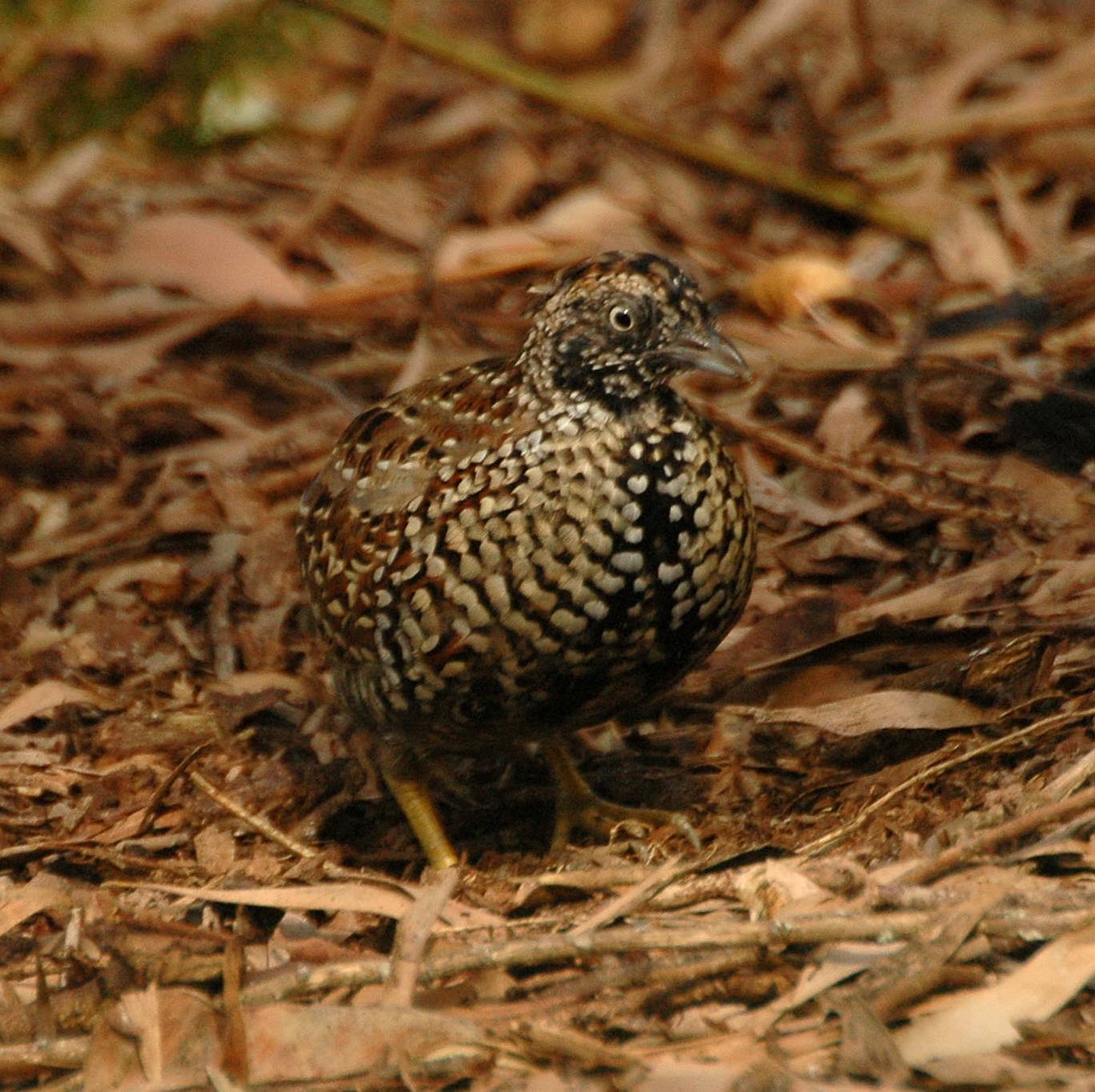
The black-bodied woodpecker is a Near Threatened species of bird in subfamily Picinae of the woodpecker family Picidae. It is found in Argentina, Bolivia, and Paraguay.
Region
Gran Chaco, south-central South America
Typical Environment
Occurs in the dry and semi-arid Gran Chaco of Argentina, Paraguay, and Bolivia. It favors open to moderately dense xeric woodlands and thorn forests dominated by quebracho (Schinopsis and Aspidosperma) and Prosopis (algarrobo). Uses riparian gallery forests and edges where large, decaying trees are present. Nests and roosts in cavities it excavates in dead or dying hardwoods. Tolerates some mosaic of pasture and scrub if substantial old trees remain.
Altitude Range
100–1000 m
Climate Zone
Subtropical
Ease of Keeping
Beginner friendly: 1/5
A Chaco woodland specialist, the black-bodied woodpecker depends on large, old trees for foraging and nesting. It is threatened by deforestation and logging, especially of quebracho and other hardwoods. Pairs maintain territories year-round and communicate with powerful drumming. Its striking red-crested male and nearly all-black female make it distinctive among South American woodpeckers.


Temperament
wary and territorial
Flight Pattern
strong flier with bounding, undulating flight typical of woodpeckers
Social Behavior
Usually seen singly, in pairs, or family groups maintaining year-round territories. Excavates nest cavities high in dead or decaying trunks and reuses territories across seasons. Both sexes participate in excavating, incubation, and feeding young. Outside the breeding season it remains largely within the same home range.
Migratory Pattern
Resident
Song Description
Vocalizations include harsh, nasal calls and loud, ringing notes used for contact and territorial defense. Drumming is powerful and measured, sometimes delivered as short rolls or double-knocks on resonant trunks. Calls carry well through open woodland.
Plumage
Predominantly glossy black body with minimal pale mottling on the flanks and shoulders. The male shows a prominent red crest; the female’s crest is darker with reduced or absent red. Both sexes often show a narrow pale malar/neck stripe and a pale bill contrasting with the dark head. Wings and tail are black and sturdy, adapted for powerful climbing and excavating.
Diet
Feeds mainly on wood-boring beetle larvae, carpenter ants, termites, and other large insects obtained by chiseling into trunks and stumps. Probes bark crevices and pries off slabs to extract prey. Occasionally takes fruit or other invertebrates when abundant. Its strong bill and neck muscles allow it to excavate deeply into hard, seasoned wood.
Preferred Environment
Forages on large, mature trees—especially dead or decaying hardwoods—in dry Chaco woodland and thorn forest. Also works fallen logs, snags, and occasionally the ground near stumps and anthills. Uses edges, riparian strips, and lightly grazed savanna with scattered tall trees.