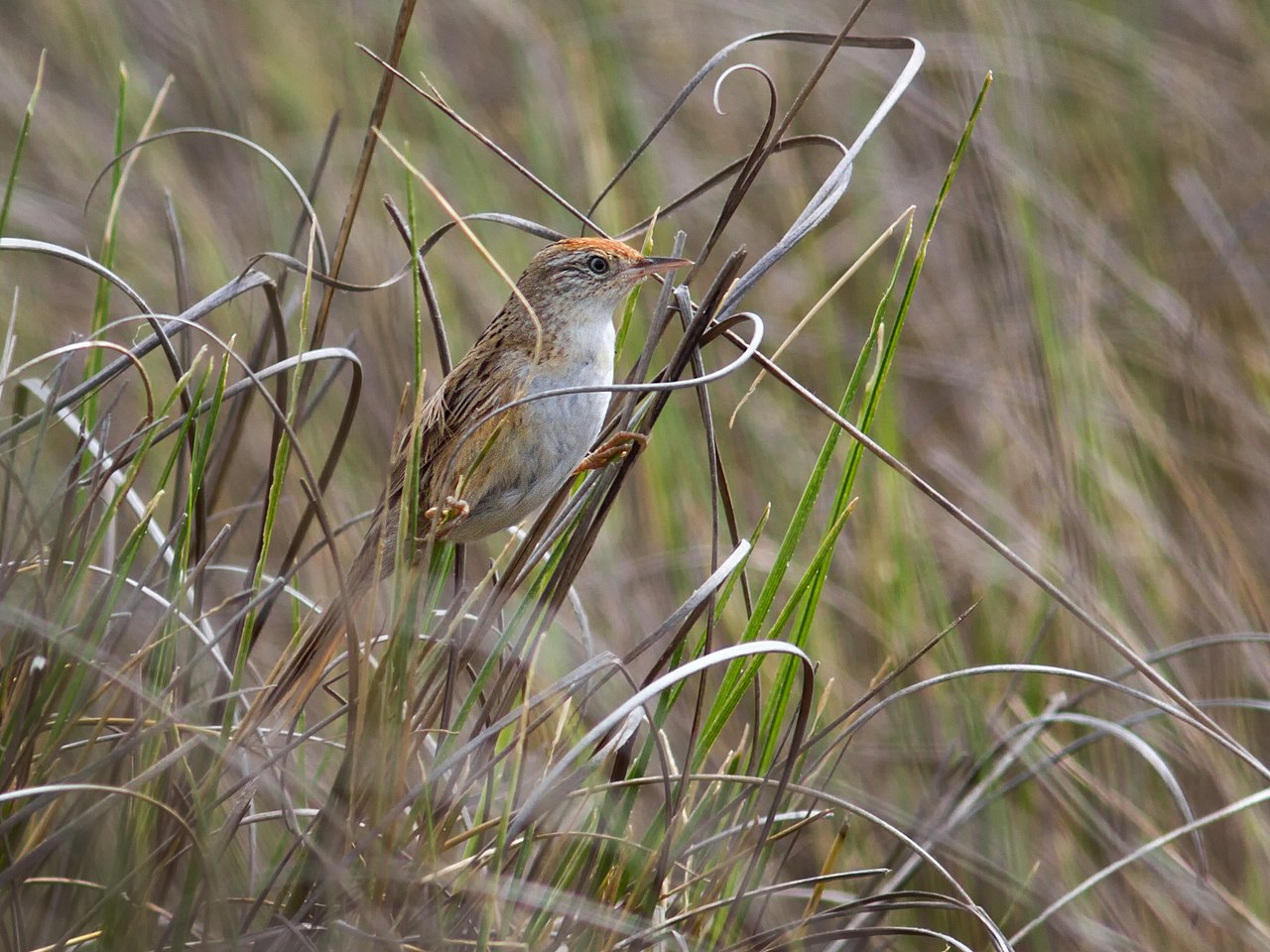
The bay hornero or pale-billed hornero is a species of bird in the Furnariinae subfamily of the ovenbird family Furnariidae. It is found in Brazil, Colombia, Peru, and possibly Eucador.
Region
Western Amazon Basin
Typical Environment
Occurs in lowland Amazonia of western Brazil, southeastern Colombia, eastern Peru, and possibly adjacent Ecuador. It favors river edges, seasonally flooded várzea, river islands, and open scrub or secondary growth near waterways. Often forages on exposed sandbanks, beaches, and along forest margins. Tolerates some disturbance and can appear near small settlements along rivers. Generally a lowland species and not found far from major river systems.
Altitude Range
0–800 m
Climate Zone
Tropical
Ease of Keeping
Beginner friendly: 1/5
The bay hornero (also called pale-billed hornero) is an ovenbird known for building a distinctive domed mud “oven” nest with a side entrance. Pairs maintain long-term bonds and often duet loudly while defending territories. It inhabits riverine and seasonally flooded habitats of the western Amazon Basin and is generally inconspicuous except when vocalizing. Its pale bill and warm bay-toned plumage help distinguish it from similar horneros.


Temperament
pair-bonded and territorial
Flight Pattern
short rapid wingbeats with low, direct flights
Social Behavior
Lives in monogamous pairs that defend territories year-round. Both sexes collect mud and plant fibers to build a domed oven-shaped nest, often placed on branches, stumps, or human-made structures. They lay a small clutch and share incubation and chick-rearing duties.
Migratory Pattern
Resident
Song Description
A loud, rattling duet of sharp, accelerating notes, often delivered from an exposed perch. Calls are mechanical and chatter-like, carrying well along river corridors.
Plumage
Mostly warm bay to rufous-brown with slightly darker wings and tail and a paler, buffy throat. Plumage is fairly uniform without heavy streaking, giving a clean, cinnamon-brown appearance. The bill is pale and contrasts with the face.
Diet
Primarily ground-foraging for insects and other arthropods such as beetles, ants, termites, and larvae. Also takes spiders and occasionally small snails. Forages by walking, gleaning, and probing soft substrates and leaf litter. Will occasionally flip leaves and peck at driftwood or riverbank debris.
Preferred Environment
Feeds along river edges, sandbars, beaches, and open scrubby areas near water. Often seen in disturbed or early-successional habitats, secondary growth, and the margins of várzea forest.