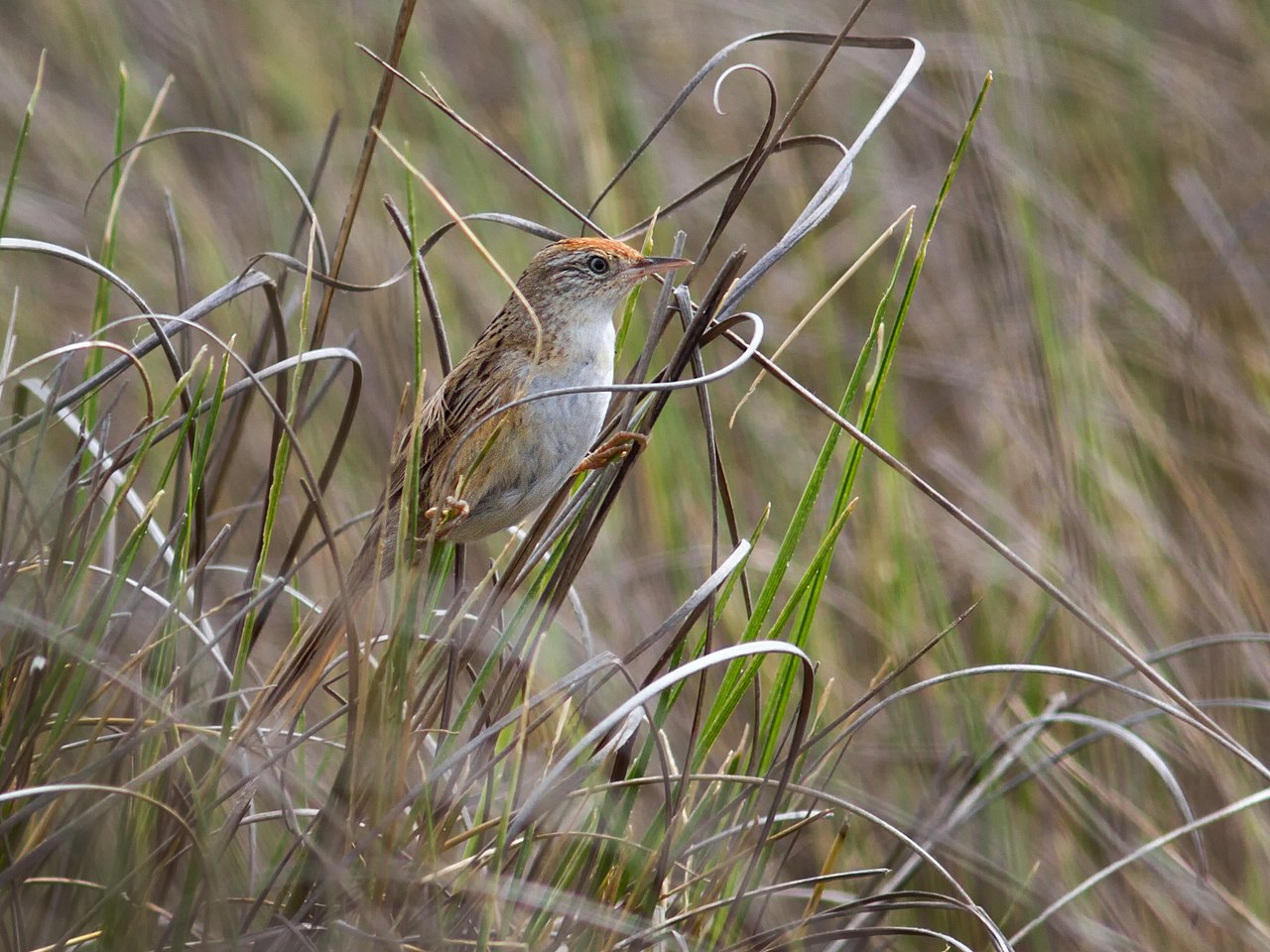
The bay-backed shrike is a member of the bird family Laniidae, the shrikes, resident in South Asia.
Region
South Asia
Typical Environment
Occurs widely across the Indian subcontinent, including much of India and Pakistan, with local presence in Nepal and Bangladesh in suitable habitats. Favors semi-arid scrub, thorny acacia and Prosopis thickets, open woodland edges, and agricultural landscapes. Common along hedgerows, dry grasslands with scattered bushes, and human-modified areas with perching sites. It is typically a resident, though it may make short local movements following rainfall and prey availability.
Altitude Range
Sea level to 1500 m
Climate Zone
Subtropical
Ease of Keeping
Beginner friendly: 1/5
The bay-backed shrike is a compact predatory songbird of open scrub and farmland across South Asia. Like other shrikes, it often impales prey on thorns or barbed wire to store food. It frequently hunts from exposed perches such as fence posts and wires. Its bold facial mask and rich bay back make it one of the easiest shrikes to identify in its range.


Temperament
solitary and territorial
Flight Pattern
short rapid wingbeats with brief glides
Social Behavior
Usually seen singly or in pairs, defending territories year-round. Breeding pairs nest in thorny shrubs or small trees, building a cup nest and jointly feeding the young. Like other shrikes, it creates larders by impaling prey on thorns, which can play a role in courtship and territory defense.
Migratory Pattern
Resident
Song Description
Delivers a varied series of harsh chatters, nasal scolds, and buzzy notes from exposed perches. Often includes mimicry of other species interwoven with its own calls. Alarm calls are sharp, repeated ‘tchack’ or ‘krrk’ sounds.
Plumage
Compact shrike with a rich bay (chestnut) mantle and scapulars, contrasting grey crown and nape, and clean whitish underparts with warm buff flanks. Broad black facial mask through the eye, a crisp white wing patch, and dark tail with white edges. The bill is hooked and strong, typical of shrikes.
Diet
Primarily hunts large insects such as beetles, grasshoppers, crickets, and wasps. Also takes small lizards, frogs, and occasionally small birds or rodents when available. Prey is often subdued with the hooked bill and may be impaled on thorns for storage and later consumption.
Preferred Environment
Feeds from prominent perches such as fence posts, wires, and bush tops overlooking open ground. Forages along scrubby field margins, thorn forests, and lightly wooded farmland where prey is abundant.