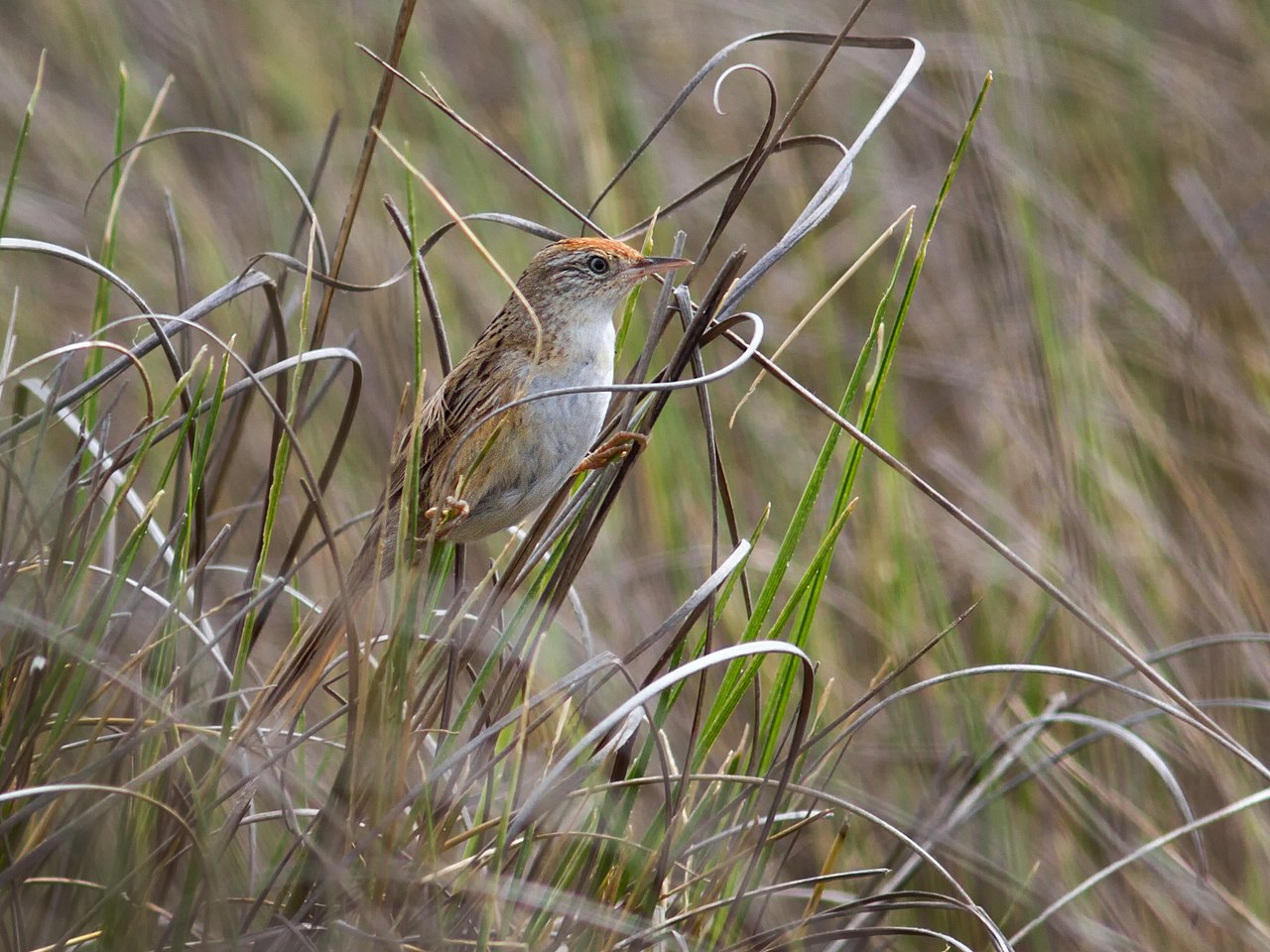
The bay woodpecker is a species of bird in the family Picidae.
Region
South and Southeast Asia
Typical Environment
Occurs from the Himalayan foothills through northeastern India and Bangladesh into Myanmar, southern China, and much of Indochina, reaching Thailand, Laos, Vietnam, and parts of the Malay Peninsula. It inhabits primary and mature secondary broadleaf and mixed forests, including bamboo and forest edges. The species favors interior forest with large trees and decaying wood for foraging and nesting. It is typically found in pairs or small family parties and can be local but widespread where suitable forest remains.
Altitude Range
Sea level to 2600 m
Climate Zone
Subtropical
Ease of Keeping
Beginner friendly: 1/5
The bay woodpecker is a shy forest woodpecker noted for its rich rufous-brown (bay) plumage. It excavates nest cavities in dead or decaying trees, creating important nesting sites later used by other forest animals. Its call is a clear, whistled series often heard before the bird is seen. Drumming is softer and less conspicuous than in many larger woodpeckers.

Temperament
shy and unobtrusive
Flight Pattern
undulating with short rapid wingbeats
Social Behavior
Usually seen singly, in pairs, or small family groups. Excavates nest cavities in soft or decaying trunks, with both sexes participating in excavation and incubation. Territorial within breeding areas but may join mixed-species flocks while foraging in the non-breeding season.
Migratory Pattern
Resident
Song Description
Gives a clear series of mellow, whistled notes that often descend slightly in pitch. Calls carry through forest and may be interspersed with soft tapping or light drumming. Vocalizations are more frequently heard at dawn and early morning.
Plumage
Mostly uniform rufous-brown (bay) with darker wings and tail; plumage appears smooth with slight gloss. Small crest often held flat; underparts similarly rufous without strong barring. Bill pale horn to ivory and contrasts with the dark head.
Diet
Feeds primarily on wood-boring beetle larvae, ants, termites, and other insects extracted from dead wood, bark crevices, and bamboo. Probes and hammers at decaying trunks, stubs, and large branches, using its chisel-like bill and long tongue. Will occasionally take small fruits or sap when insect prey is scarce.
Preferred Environment
Forages mainly on mid to large trunks and substantial branches in dense forest interiors. Often selects decaying wood and bamboo clumps where insect larvae are abundant. Less frequently feeds near open edges compared to some other woodpeckers.