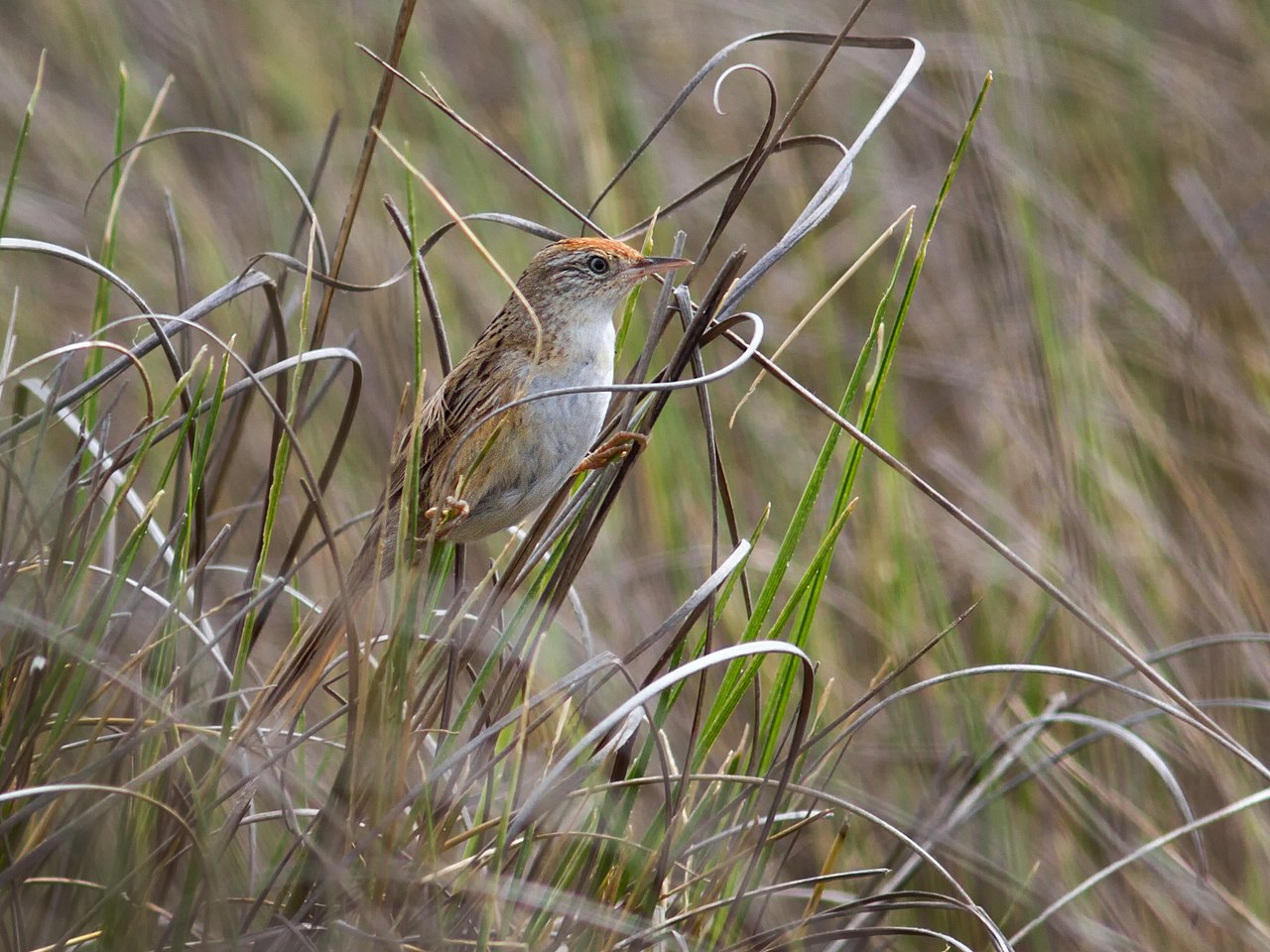
The bay-breasted cuckoo is an Endangered species of bird in the tribe Phaenicophaeini, subfamily Cuculinae of the cuckoo family Cuculidae. It is endemic to the Dominican Republic on the Caribbean island of Hispaniola; it is possibly extirpated in Haiti.
Region
Caribbean (Hispaniola)
Typical Environment
Endemic to the Dominican Republic, with strongholds in remnant lowland and foothill forests, including limestone karst forests and riparian thickets. It uses forest edges, secondary growth, and shaded agroforestry mosaics where dense tangles provide cover. Birds forage from understory to mid-canopy, often in semi-open woodland. Historical records existed in Haiti, but it is likely extirpated there.
Altitude Range
Sea level to 1200 m
Climate Zone
Tropical
Ease of Keeping
Beginner friendly: 1/5
The bay-breasted cuckoo is a large, elusive cuckoo with a distinctive rich rufous throat and breast. It is confined to the Dominican Republic on Hispaniola and may now be absent from Haiti. Unlike many Old World cuckoos, it builds its own nest and raises its young. Habitat loss and fragmentation are the main threats to its survival.


Temperament
shy and secretive
Flight Pattern
short rapid wingbeats with brief glides
Social Behavior
Usually solitary or in pairs, moving quietly through thickets and midstory to forage. It builds a shallow twig nest and both parents participate in incubation and feeding. Breeding likely coincides with the rainy season when insect prey is abundant.
Migratory Pattern
Resident
Song Description
Vocalizations are a series of low, guttural clucks and chucks that accelerate and rise slightly in pitch, interspersed with dry rattling notes. Calls carry well through dense vegetation, especially at dawn.
Plumage
Dark brown upperparts with a rich bay-colored throat and breast grading to a paler buffy belly; long graduated tail with contrasting tips.
Diet
Primarily hunts large insects such as grasshoppers, katydids, caterpillars, mantids, and beetles. It also takes spiders and occasionally small vertebrates like lizards, and may consume some fruit opportunistically. Prey is gleaned from foliage, bark, and vine tangles, and sometimes snatched in short sallies.
Preferred Environment
Feeds in dense thickets, forest edges, and along streams where cover is abundant. Often works methodically through midstory and understory tangles, including secondary growth and shaded plantations.