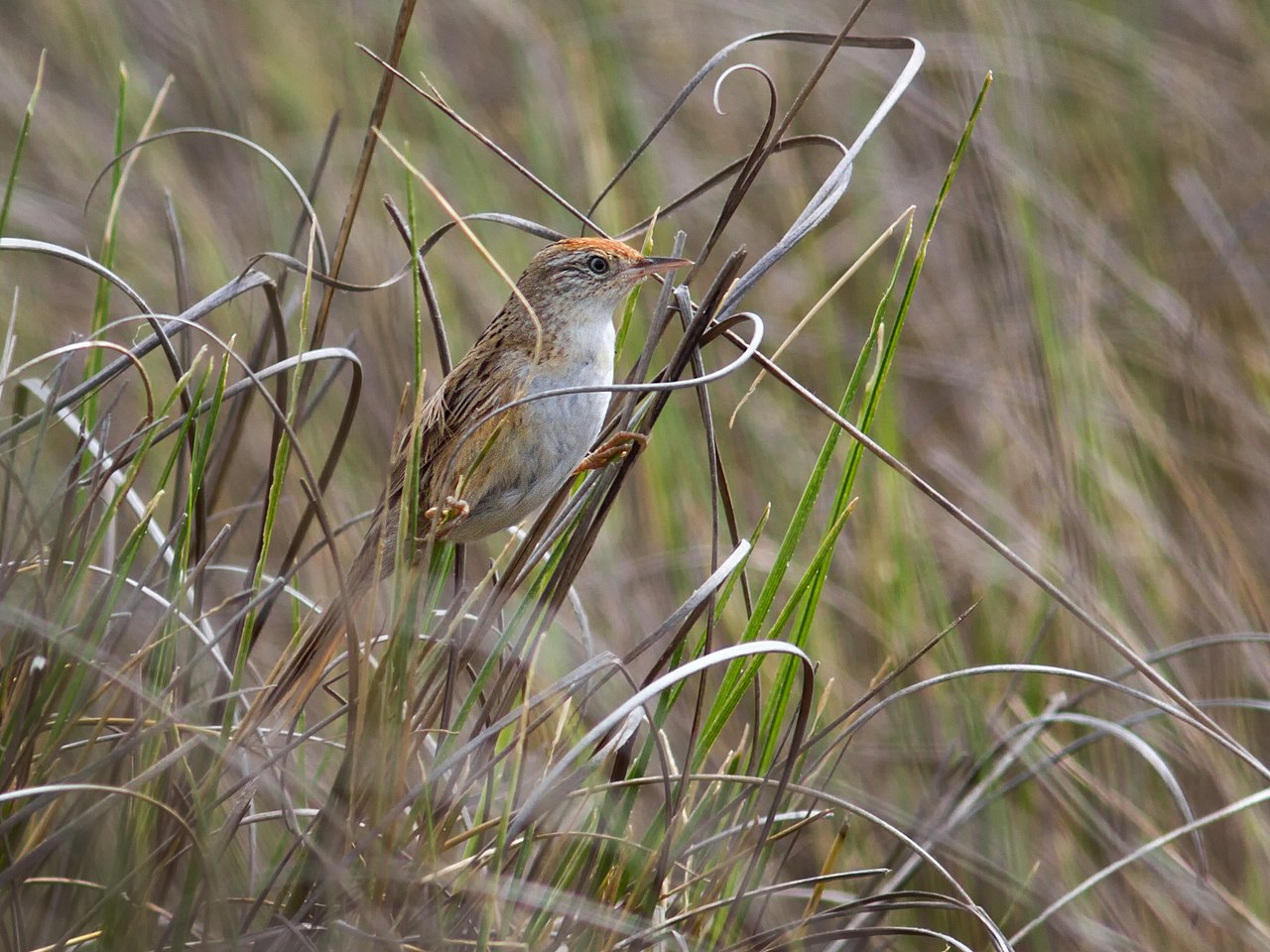
The bay wren is a species of bird in the family Troglodytidae. It is native to southern Central America and northwestern South America.
Region
Southern Central America to northwestern South America
Typical Environment
Occurs from southern Central America (Costa Rica and Panama) into northwestern South America, primarily western Colombia and northwestern Ecuador. It favors humid lowland and foothill zones, especially along streams, forest edges, and in dense second-growth thickets. Often found in riparian corridors, hedgerows, and overgrown clearings near water. It tolerates fragmented habitats better than many forest specialists but still requires substantial shrub cover. In some areas it also uses mangrove margins and cacao or coffee farms with dense understory.
Altitude Range
0–1200 m
Climate Zone
Tropical
Ease of Keeping
Beginner friendly: 1/5
The bay wren is a skulking wren of dense vegetation, often staying close to water and thick tangles where it is more often heard than seen. Pairs keep close contact and perform striking duets, with crisp, ringing notes that carry through humid forests. It was formerly placed in the genus Thryothorus but is now classified as Cantorchilus. Its adaptability to secondary growth helps it persist in human-altered landscapes.


Bay wren (flash photo) at Selva Verde Lodge - Costa Rica

Temperament
secretive and active
Flight Pattern
short rapid wingbeats, low to the ground
Social Behavior
Usually found in pairs or small family groups that defend territories year-round. Pairs often duet, with tightly coordinated phrases. Nests are typically domed or globular structures placed low in dense vegetation near water or thickets. Both sexes participate in territory defense and rearing young.
Migratory Pattern
Resident
Song Description
Loud, musical whistles that rise and fall in clear, ringing phrases; pairs often interweave notes in antiphonal duets. Calls include sharp chips and scolding chatters when disturbed.
Plumage
Rich rufous-brown upperparts with a contrasting dark, almost blackish crown; clean whitish throat and breast grading to buff; flanks and tail show bold dark barring. Feathers are tight and sleek, aiding movement through dense cover.
Diet
Primarily small arthropods such as insects and spiders gleaned from leaves, vines, and tangles. It probes bark crevices and leaf litter and will sally short distances to pick prey. Occasionally consumes small berries or seeds, especially when insect activity is low. Foraging is typically low, within the first few meters above ground.
Preferred Environment
Dense understory along streams, thickets, overgrown edges, and vine tangles. Frequently forages in riparian vegetation and secondary growth where cover is abundant.