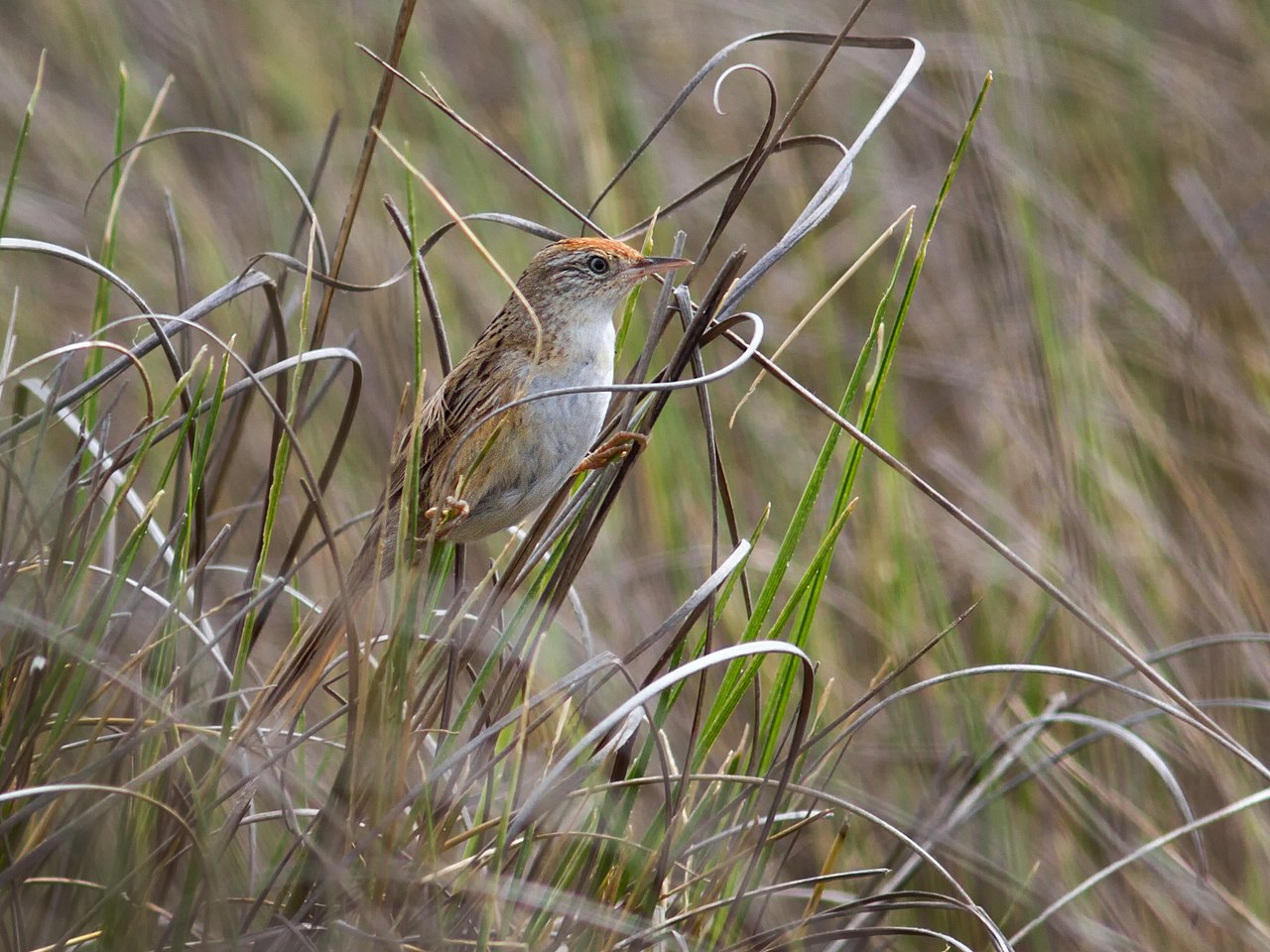
The bay-breasted warbler is a small species of songbird in the New World warbler family, Parulidae. It is one of thirty-four species in the diverse genus Setophaga. Like all songbirds, or passerines, the species is classified in the order Passeriformes.
Region
Boreal North America and northern Neotropics
Typical Environment
Breeds across much of Canada’s boreal spruce–fir zone and into the northeastern United States. Migrates through eastern North America and the Caribbean. Winters primarily in southern Central America (especially Panama and Costa Rica) and northern South America, including Colombia, Venezuela, and the Guianas, with some in the northern Andes foothills. Uses mature conifer forests for breeding, and in winter favors humid lowland and foothill forests, second growth, and shade-coffee plantations.
Altitude Range
Sea level to 1800 m
Climate Zone
Other
Ease of Keeping
Beginner friendly: 1/5
Bay-breasted Warblers breed in boreal conifer forests and migrate long distances to winter in the northern Neotropics. Their numbers can surge during outbreaks of spruce budworm, a favored prey. Breeding males show rich bay (chestnut) on the throat, breast, and flanks, but in nonbreeding plumage they resemble Blackpoll Warblers, making identification tricky.


Female
Temperament
solitary and territorial
Flight Pattern
short rapid wingbeats
Social Behavior
On breeding grounds, pairs defend territories in tall conifers; a cup nest is placed high on a spruce or fir branch near the trunk. Clutches typically contain 4–5 eggs; the female incubates while both parents feed the young. During migration and winter, they often join mixed-species flocks, foraging actively in the mid to upper canopy.
Migratory Pattern
Seasonal migrant
Song Description
The song is a series of thin, high, buzzy phrases, slightly lower and more musical than a Blackpoll Warbler’s. Calls include a sharp, thin tzip or seet given while foraging.
Plumage
Breeding male with rich bay throat, breast, and flanks; black face and crown; buffy nape; grayish back with two bold white wing bars. Females and nonbreeding birds are duller olive-gray with pale buff flanks and reduced bay, still showing two wing bars and a buffy collar.
Diet
Primarily consumes arthropods, especially caterpillars such as spruce budworm, along with spiders and other insects gleaned from foliage. In winter, also takes small berries and occasionally sips from flowers. Foraging includes deliberate gleaning, hover-gleaning, and short sallies to pick prey from leaf clusters.
Preferred Environment
Feeds mostly in the mid to upper canopy of coniferous trees on the breeding grounds. In winter, uses broadleaf forest canopies, forest edges, and shade-coffee habitats, often following mixed-species flocks.