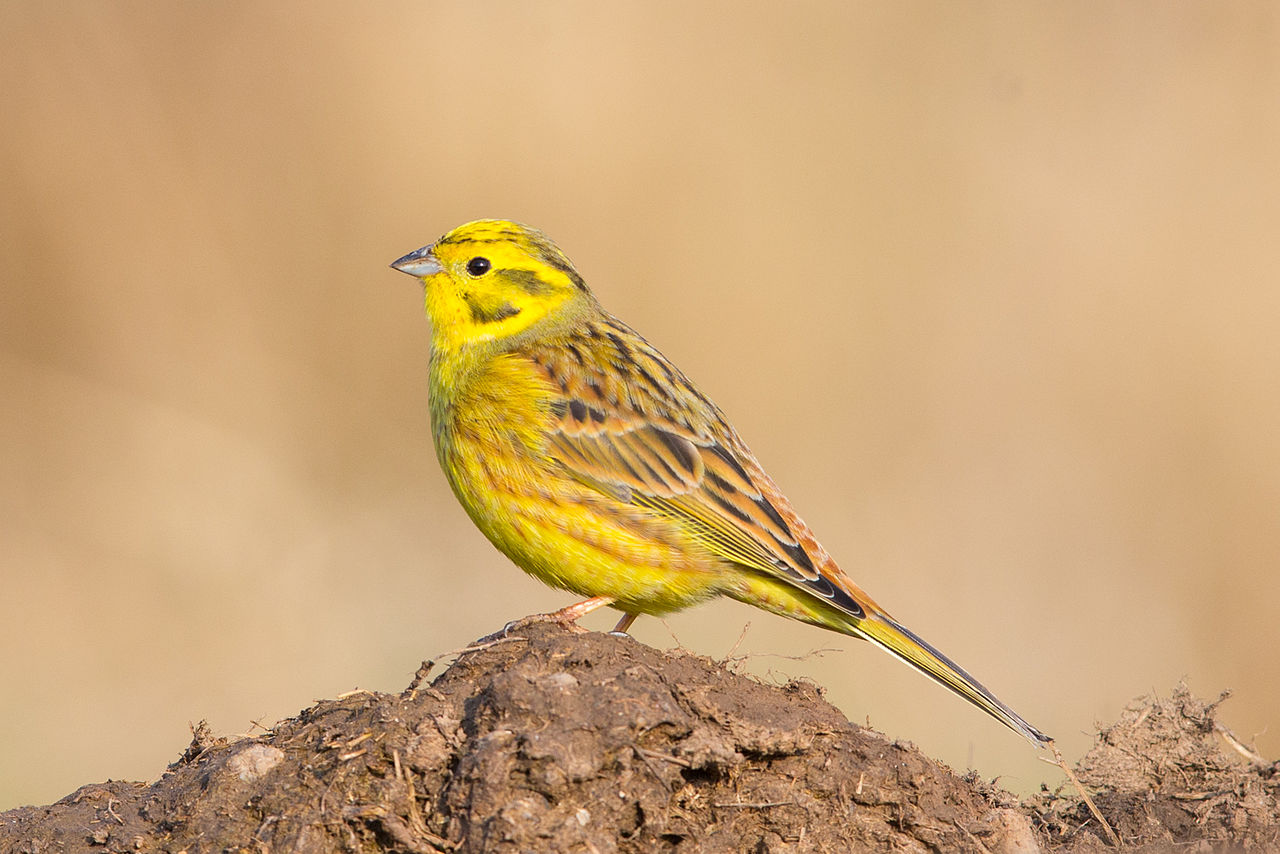
The yellow-winged flatbill, also known as yellow-winged flycatcher and yellow-margined flatbill, is a species of bird in the tyrant flycatcher family Tyrannidae. It is found in Colombia, Costa Rica, Ecuador, and Panama.
Region
Chocó–Darién and adjacent Central America
Typical Environment
Found from southern Central America through the Chocó lowlands of eastern Panama, western Colombia, and northwestern Ecuador, with occurrences into southern Costa Rica. It inhabits humid lowland and foothill forests, second growth, and forest edges, typically remaining in the mid to upper canopy. It tolerates lightly disturbed habitats but depends on forested landscapes. Along rivers and in riparian strips it can be locally common, especially where continuous canopy is present.
Altitude Range
0–1200 m
Climate Zone
Tropical
Ease of Keeping
Beginner friendly: 1/5
A small canopy flycatcher, the yellow-winged flatbill was split from the yellow-margined flatbill complex and is best recognized by its bright yellow edging to the wings and its notably broad, flat bill. It often forages with mixed-species flocks and frequently remains concealed in foliage. Pairs build long, pendant, pouch-like nests that may be placed near active wasp nests, likely gaining protection from predators.


Temperament
shy and foliage-concealing
Flight Pattern
short rapid wingbeats with brief sallies
Social Behavior
Usually seen singly or in pairs, often joining mixed-species flocks in the canopy. Nests are pendant, purse-like structures suspended from branches, sometimes near wasp nests. Pairs maintain small territories during breeding.
Migratory Pattern
Resident
Song Description
A series of thin, high-pitched whistles and chips delivered at intervals, often sounding terse and slightly buzzy. Calls include sharp tssit notes and brief trills, repeated from concealed perches.
Plumage
Olive-green upperparts with yellow-olive underparts and conspicuous yellow edges to the wing coverts and secondaries; crown and nape slightly duskier olive; throat paler.
Diet
Primarily small arthropods such as beetles, flies, caterpillars, and spiders gleaned from leaves and twigs. It also occasionally hawks insects in short sallies and may take tiny fruits opportunistically. Foraging is deliberate, with frequent pauses and short hops between foliage clusters.
Preferred Environment
Mid to upper canopy of humid forest, edges, and tall second growth. Often forages along vine tangles and outer foliage, and at forest margins along streams.