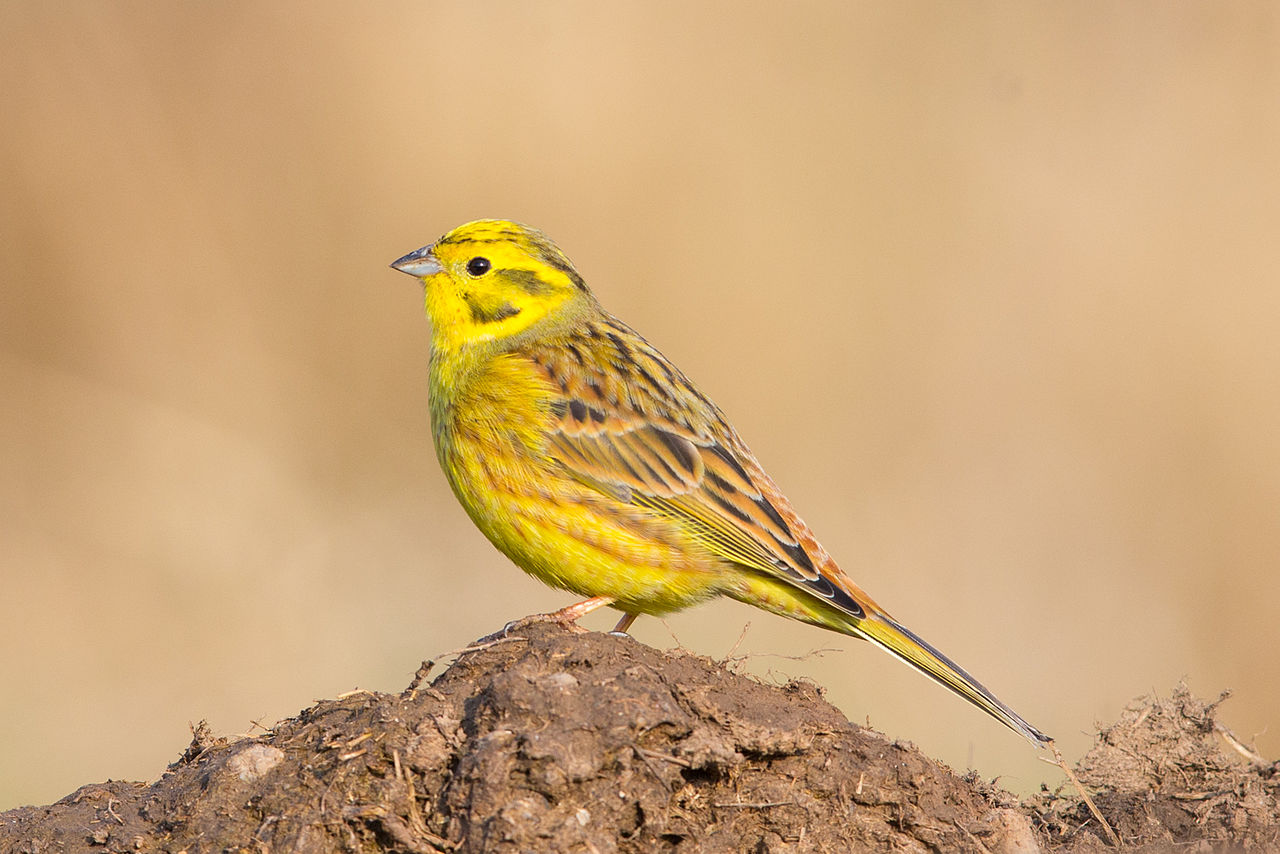
The yellow-winged vireo is a small passerine bird. It is endemic to the highlands of Costa Rica and western Panama.
Region
Central American highlands
Typical Environment
Occurs in the montane oak and cloud forests of Costa Rica and western Panama, including forest edges and mature second growth. It forages from the mid-story to the canopy, often along sunlit edges and along ridgelines. The species tolerates some habitat disturbance where tall trees and dense foliage remain. It is typically absent from lowlands, keeping to cool, moist highland habitats.
Altitude Range
1500–3300 m
Climate Zone
Highland
Ease of Keeping
Beginner friendly: 1/5
The yellow-winged vireo is a highland specialist of Costa Rica and western Panama, most often found in cloud forests. It frequently joins mixed-species flocks, methodically gleaning insects from foliage alongside tanagers and warblers. Its name comes from the conspicuous yellow wingbars that make the wings look washed with yellow. The neat, hanging cup nest is woven in a forked twig, with both parents sharing duties.


Temperament
social and active
Flight Pattern
short rapid wingbeats with direct dashes between foliage
Social Behavior
Usually seen in pairs or small family groups and commonly joins mixed-species flocks. Builds a suspended cup nest in a forked branch; both sexes share incubation and chick-rearing. Territorial during breeding but tolerant of other species while foraging.
Migratory Pattern
Resident
Song Description
A series of short, sweet whistled phrases delivered in a deliberate, conversational pace. Calls include sharp chips and thin scolds given while foraging in the canopy.
Plumage
Olive-green upperparts with a grayish head and paler underparts lightly washed yellow. Two bright yellow wingbars create a distinct yellow panel. A bold yellow supercilium contrasts with a dusky auricular patch and whitish throat.
Diet
Primarily small insects and spiders gleaned from leaves and twigs. It occasionally hover-gleans to pick prey from undersides of foliage. In season it supplements its diet with small berries and other soft fruits.
Preferred Environment
Feeds in the mid to upper levels of cloud forests, along edges, and in tall second growth. Often forages along canopy gaps and ridgelines where prey is abundant.