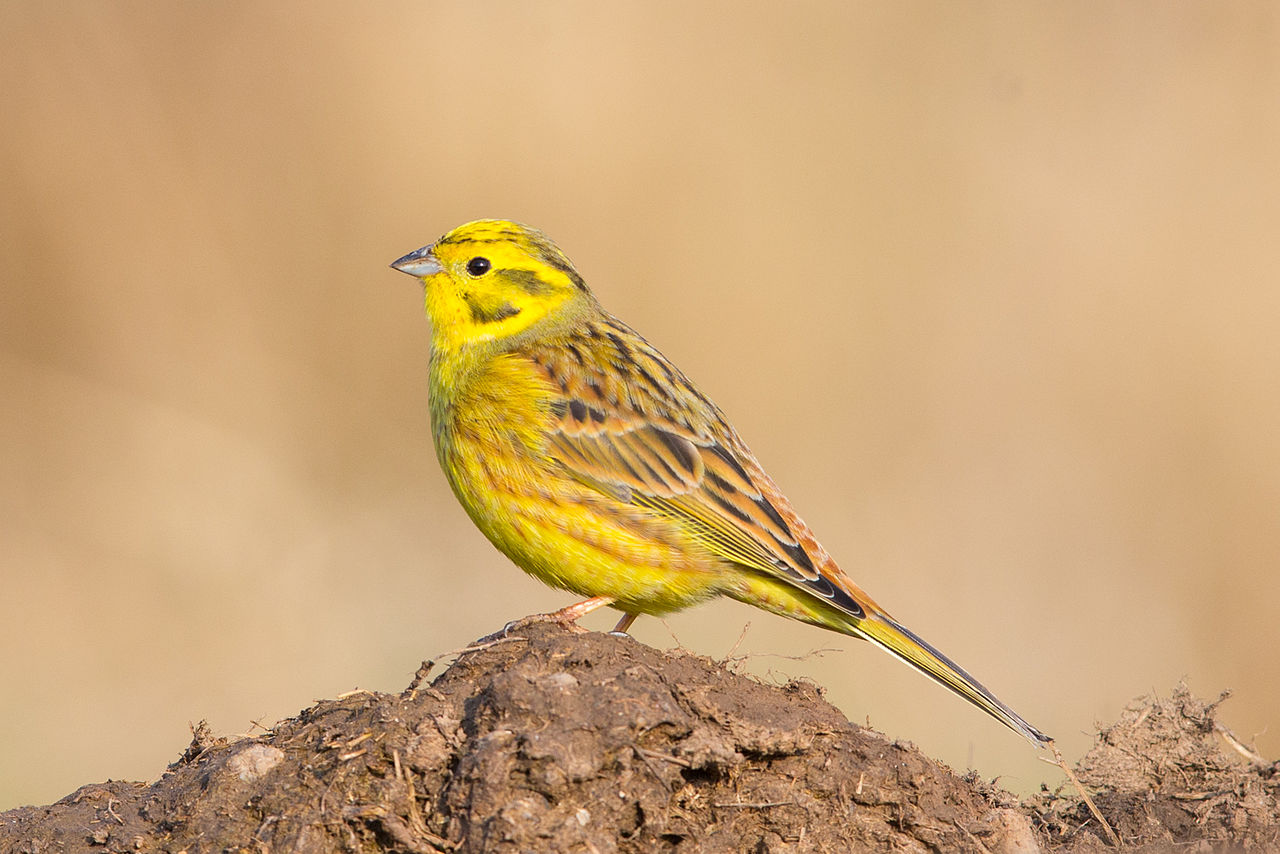
The yellow-winged tanager is a neotropical member of the tanager family. It is of average size for a tanager, about 18-centimetre (7.1 in) long. It is distinguished by the yellow patches on its dusky green wings, marking an otherwise dark bluish and gray body. It has a pale lavender tone on its throat and breast. The juvenile lacks this color, but has an olive-green head and upper back.
Region
Mesoamerica
Typical Environment
Occurs from the Gulf slope of southeastern Mexico through Belize and Guatemala to Honduras, Nicaragua, Costa Rica, and into western Panama. It favors humid lowland and foothill forests, edges, secondary growth, plantations, and suburban gardens with tall trees. The species is commonly seen in the mid- to upper canopy and along forest margins. It adapts well to human-modified landscapes where fruiting trees are available.
Altitude Range
Sea level to 1500 m
Climate Zone
Tropical
Ease of Keeping
Beginner friendly: 2/5
This neotropical tanager is easily recognized by its bright yellow wing patches against a dusky green wing and bluish-gray body. It often joins mixed-species flocks in the forest canopy and readily visits fruiting trees and gardens. Adults show a pale lavender wash on the throat and breast, while juveniles are duller with olive-green heads and backs.


Temperament
social and active
Flight Pattern
short rapid wingbeats with quick, direct flights between trees
Social Behavior
Often seen in pairs or small groups and regularly joins mixed-species flocks in the canopy. Builds a cup-shaped nest in trees or shrubs, with both parents tending the young. Territoriality is moderate around active nests but otherwise it forages communally.
Migratory Pattern
Resident
Song Description
Song and calls are a series of thin, high-pitched chips and sibilant twitters, often delivered from the canopy. Contact notes are sharp and metallic, with soft trills during interactions at fruiting trees.
Plumage
Dark bluish-gray body with dusky green wings that bear conspicuous yellow patches; throat and breast washed pale lavender. Juveniles are duller with olive-green head and upper back, lacking the lavender tones.
Diet
Primarily takes soft fruits and berries, including those of native and ornamental trees. Supplements its diet with insects and other small arthropods gleaned from foliage and twigs. Will occasionally sip nectar or feed on cultivated fruits in gardens and plantations.
Preferred Environment
Forages mostly in the mid- and upper canopy of forest edges, secondary growth, and shade plantations. Frequently visits fruiting trees in parks and gardens and may join mixed flocks to exploit ephemeral food sources.