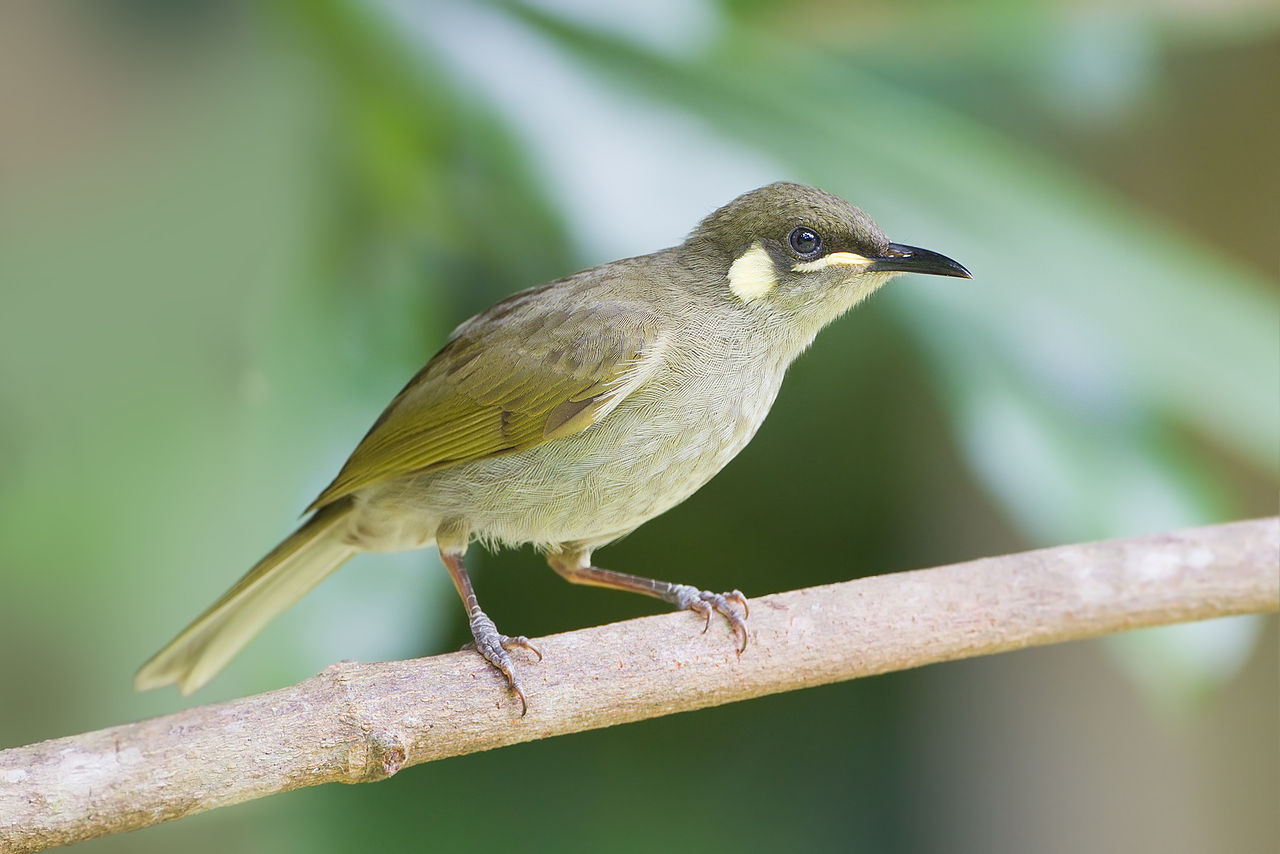
The yellow-shouldered grassquit is a species of bird in the tanager family Thraupidae that is endemic to Jamaica. It is the only member of the genus Loxipasser. Its natural habitats are subtropical or tropical moist lowland forest, subtropical or tropical moist montane forest, and heavily degraded former forest.
Region
Caribbean (Jamaica)
Typical Environment
Found across Jamaica from coastal lowlands to montane forest, favoring forest edges, second-growth thickets, plantations, and gardens. It uses both moist lowland and montane forests and persists well in heavily degraded former forest. Often seen in scrubby clearings and along roadsides where grasses and weeds provide seeds. It forages from ground level up to the midstory and readily exploits human-modified landscapes.
Altitude Range
Sea level to 1800 m
Climate Zone
Tropical
Ease of Keeping
Beginner friendly: 1/5
This small tanager is Jamaica’s only member of the genus Loxipasser and is readily recognized by its bright yellow shoulder patch. It thrives in a range of wooded habitats, including edges and second growth, and adapts well to degraded forests. Males and females are similar, with females typically duller. Its close association with seed-rich weedy areas makes it a frequent visitor to shrubby gardens and plantations.


Temperament
social and active
Flight Pattern
short rapid wingbeats
Social Behavior
Often in pairs or small groups and may join mixed-species flocks in edge habitats. Builds a cup-shaped nest low in shrubs or small trees. Likely monogamous, with both parents attending the young.
Migratory Pattern
Resident
Song Description
Song is a series of thin, high-pitched chips and buzzy trills delivered from low perches. Calls include sharp tsee and seep notes, often given while foraging in shrubbery.
Plumage
Compact, olive-green to olive-brown above with paler gray-olive underparts; feathers smooth and sleek. Distinctive bright yellow patch on the shoulder/lesser wing coverts; wings otherwise dark with subtle edging. Face plain with limited contrast, lacking a bold mask.
Diet
Primarily consumes small grass and weed seeds, cracking them with its stout bill. Supplements diet with small insects and other arthropods, especially during the breeding season. May occasionally take nectar or soft plant matter. Foraging is methodical, gleaning from grasses, low shrubs, and the ground.
Preferred Environment
Edges of forest, scrubby second growth, gardens, and plantations with abundant seed-bearing plants. Frequently forages near the ground or in low, weedy vegetation and along paths or clearings.