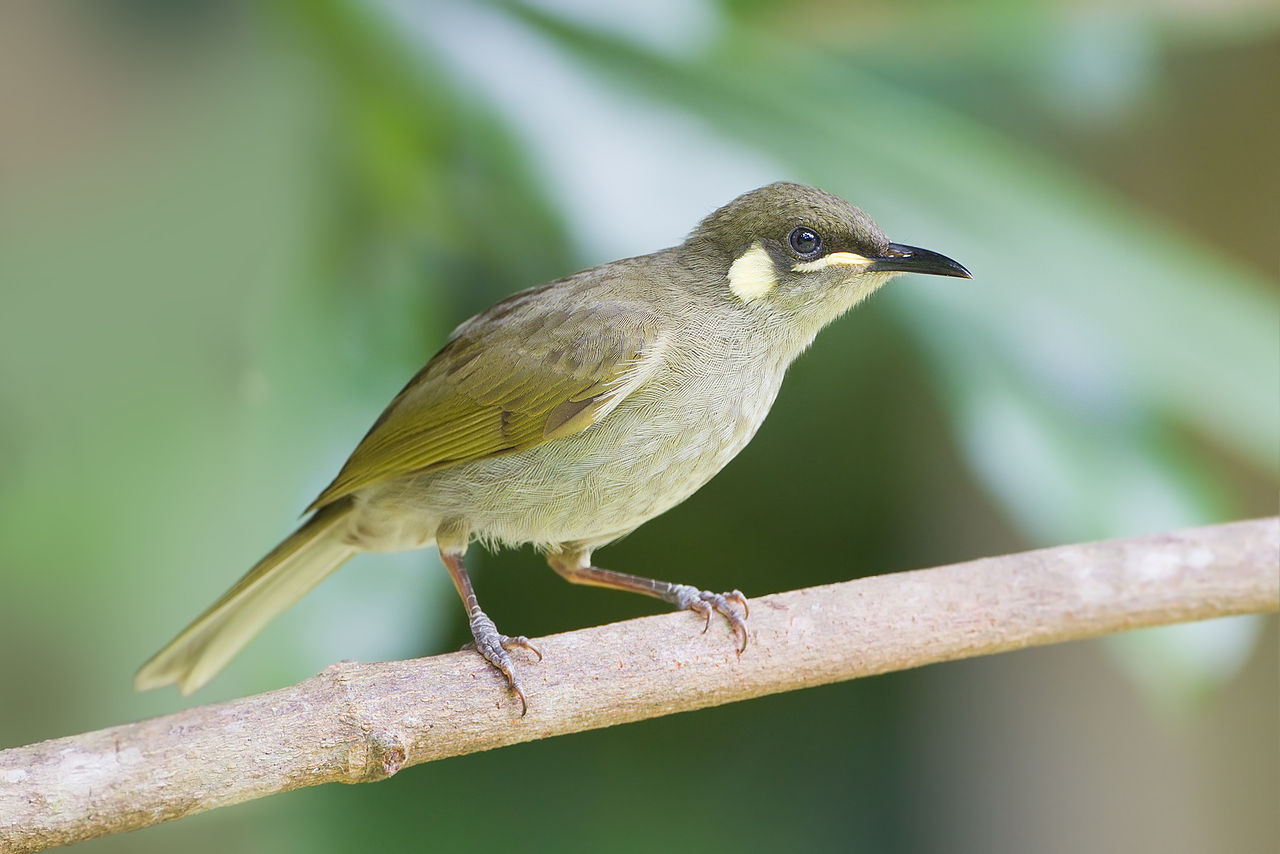
The yellow-sided flowerpecker is a species of bird in the family Dicaeidae. It is endemic to Sulawesi and adjacent islands in Indonesia.
Region
Wallacea (Sulawesi and adjacent islands)
Typical Environment
Occurs across Sulawesi and several nearby islets, frequenting primary and secondary lowland forests, forest edges, and foothill habitats. It also uses disturbed habitats such as plantations, village groves, and gardens where small fruits are abundant. Most activity is in the mid- to upper canopy, but it will descend to feed at fruiting shrubs. It is generally common where suitable fruiting plants, especially mistletoes, are present.
Altitude Range
Sea level to 1800 m
Climate Zone
Tropical
Ease of Keeping
Beginner friendly: 1/5
This tiny flowerpecker is endemic to Sulawesi and nearby islands in Indonesia and is easily recognized by its bright yellow side panels. It plays an important role in dispersing mistletoe and other small-fruited plants by swallowing berries whole and excreting the sticky seeds on branches. Despite its small size, it is an energetic canopy forager and often visits gardens with fruiting shrubs. Its presence is a good indicator of healthy fruiting vegetation.


Temperament
social and active
Flight Pattern
short rapid wingbeats with undulating flight
Social Behavior
Often seen singly, in pairs, or loosely with mixed-species flocks in the canopy. Pairs defend small feeding areas when fruiting plants are abundant. The nest is a small, neat, pendant pouch hidden among foliage. Both parents typically participate in care of the young.
Migratory Pattern
Resident
Song Description
High, thin, sibilant notes and short tinkling trills delivered from canopy perches. Calls include sharp, metallic tsip or tsee notes given frequently while foraging.
Plumage
Compact, glossy dark upperparts with clean whitish underparts highlighted by striking yellow patches along the flanks; females tend to be duller with more olive tones and softer contrast.
Diet
Primarily consumes small fruits and berries, especially mistletoe, which it swallows whole. Also takes nectar and occasionally small arthropods for protein, particularly during breeding. By passing sticky seeds, it helps mistletoes establish on new branches, making it an important seed disperser.
Preferred Environment
Feeds in the mid- to upper canopy of forest edges, secondary growth, and fruiting garden trees. Will also forage in plantations and along roadsides where suitable fruiting shrubs occur.