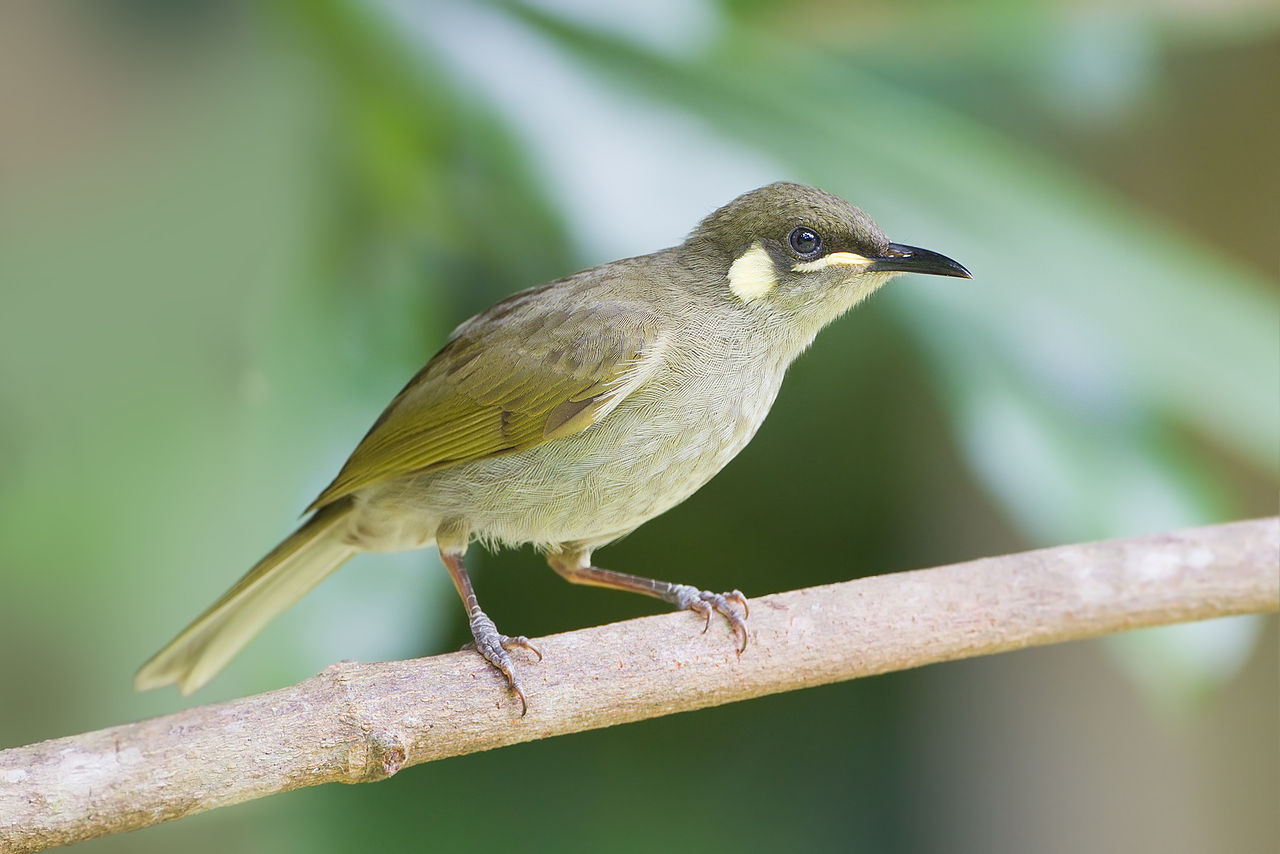
The yellow-shouldered grosbeak is a species of bird in the tanager family Thraupidae. It is the only member of its genus Parkerthraustes. It is found in Bolivia, Brazil, Colombia, Ecuador, and Peru. Its natural habitat is subtropical or tropical moist lowland forests.
Region
Amazon Basin
Typical Environment
Occurs in humid lowland forests of Bolivia, Brazil, Colombia, Ecuador, and Peru. It favors terra firme and seasonally flooded (várzea) forests, as well as forest edges and tall secondary growth. Birds typically use the midstory to canopy, moving through vine tangles and fruiting trees. It is local but can be fairly common where suitable habitat remains.
Altitude Range
0–900 m
Climate Zone
Tropical
Ease of Keeping
Beginner friendly: 1/5
This species is the sole member of its genus, Parkerthraustes, and belongs to the tanager family (Thraupidae). Its bright yellow shoulder patches stand out against otherwise subdued plumage. It often joins mixed-species flocks in Amazonian lowland forests, where its heavy bill helps it handle tough fruits and seeds. Despite the name “grosbeak,” it also takes small arthropods as part of a varied diet.


Temperament
quiet and somewhat shy
Flight Pattern
short rapid wingbeats
Social Behavior
Usually seen singly, in pairs, or small family groups, and frequently associates with mixed-species flocks moving through the midstory. Breeding behavior is poorly documented but likely involves a simple cup nest placed in dense foliage. Territoriality appears moderate, with birds tolerating close neighbors when food is abundant.
Migratory Pattern
Resident
Song Description
Song consists of soft, simple whistled phrases delivered from within cover. Calls are low, dry chips and thin tsip notes used to keep contact in flocks. Vocalizations are unobtrusive and can be easy to overlook amid forest noise.
Plumage
Mostly olive-brown above with warmer buff to ochraceous tones below; a conspicuous bright yellow patch at the shoulder (lesser wing coverts). Wings and tail are darker, contrasting with a heavy, pale horn-colored bill. Sexes are similar with only slight variation in brightness.
Diet
Consumes a mix of small fruits and berries, seeds, and various arthropods such as beetles, caterpillars, and spiders. Uses its stout bill to crack tougher fruits and glean items from clusters and foliage. It forages methodically, often pausing to inspect leaf clusters and vine tangles. Will follow mixed flocks to exploit temporarily abundant food sources.
Preferred Environment
Forages mostly in the midstory to lower canopy of humid lowland forest, especially along edges, clearings, and river margins. Also uses tall secondary growth and viney thickets near fruiting trees. Occasionally descends to lower levels when feeding opportunities arise.