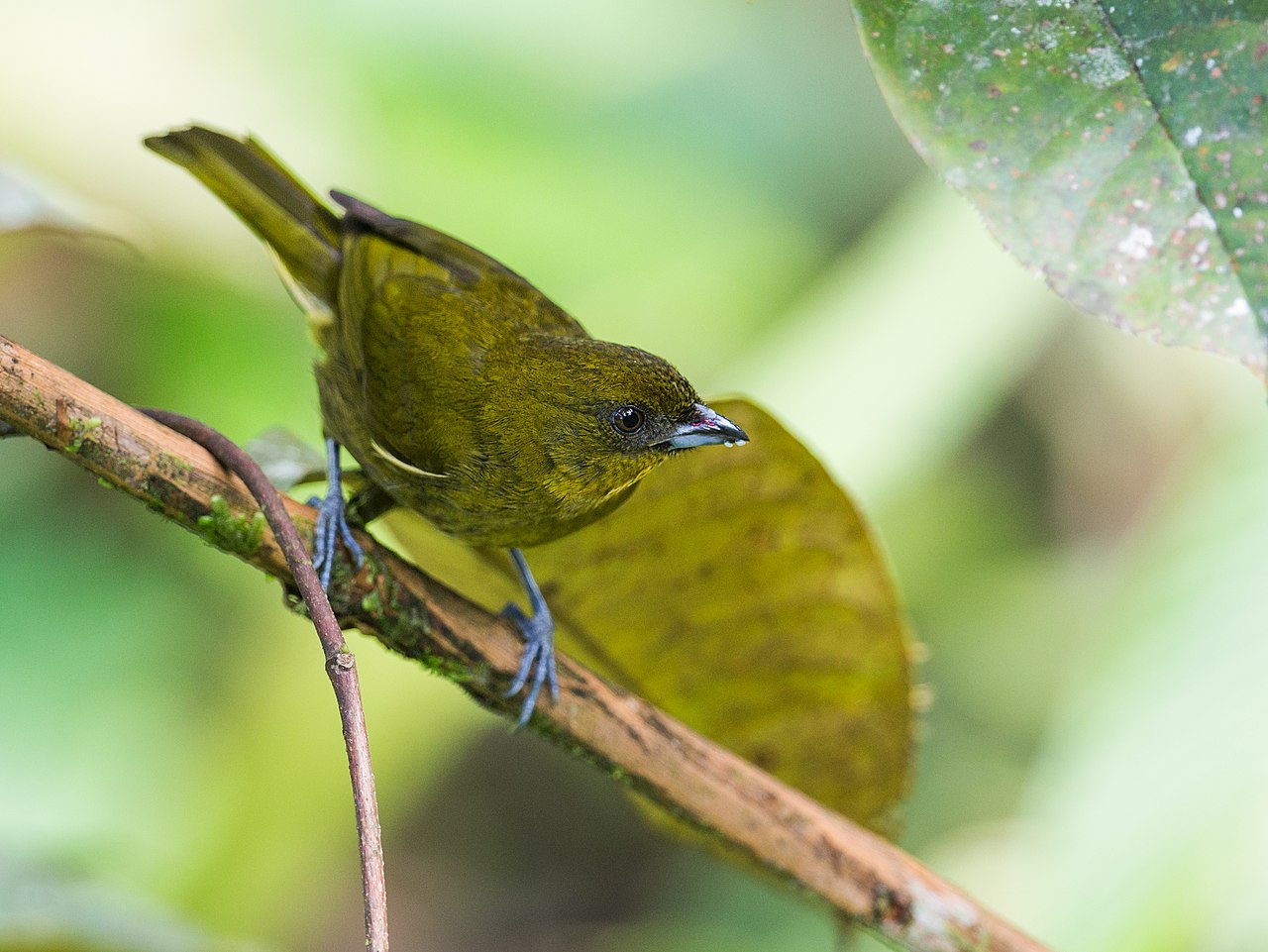
The yellow-fronted parrot is a parrot endemic to the Ethiopian Highlands. It is a mostly green with a yellow head. Relatively little is known about this bird.
Region
Horn of Africa
Typical Environment
Found in the montane forests and woodlands of the Ethiopian Highlands, especially in evergreen Afromontane forest and mixed Juniperus–Podocarpus stands. It also uses forest edges, riverine woodland, and shade-grown coffee landscapes adjacent to native forest. Birds often feed in the upper canopy but will descend to fruiting shrubs at forest margins. Occurs patchily where mature trees with nest cavities remain.
Altitude Range
1500–3200 m
Climate Zone
Highland
Ease of Keeping
Beginner friendly: 2/5
The yellow-fronted parrot is endemic to the Ethiopian Highlands and is often overlooked due to its quiet habits outside of calling and its preference for tall forest canopies. It forages high in native juniper and podocarpus trees, playing a role in seed dispersal. Typically seen in pairs or small groups, it can be conspicuous when commuting with loud calls between feeding and roosting sites.


Adult (above) and juvenile (below) on an island in Lake Tana, Ethiopia
Temperament
social and alert
Flight Pattern
fast direct flight with rapid wingbeats
Social Behavior
Usually seen in pairs or small groups, occasionally forming larger foraging parties in fruiting trees. Nests in natural cavities of mature trees; pairs maintain strong bonds and defend the immediate nest area. Breeding is timed to coincide with seasonal food availability in the highlands.
Migratory Pattern
Resident
Song Description
Vocalizations include loud, ringing screeches and piercing calls that carry far over valleys. At close range, birds give softer chatters and whistles used for pair contact and flock cohesion.
Plumage
Mostly green with a bright yellow forehead and crown, sometimes extending onto the face; darker green mantle and wings with paler green underparts. Feathers can show a slight bluish or turquoise wash on the flight feathers. Bill is robust and dark grey.
Diet
Feeds primarily on fruits, berries, and seeds, including those of Juniperus and Podocarpus, as well as figs and various highland shrubs. Will take flower buds and nectar when available. May visit cultivated areas to sample grains or fruit near forest edges. Plays a role in dispersing seeds of native trees.
Preferred Environment
Forages high in the canopy of mature montane forest and along forest edges. Also uses wooded ravines, riverine strips, and shade trees in traditional agroforestry near intact forest.