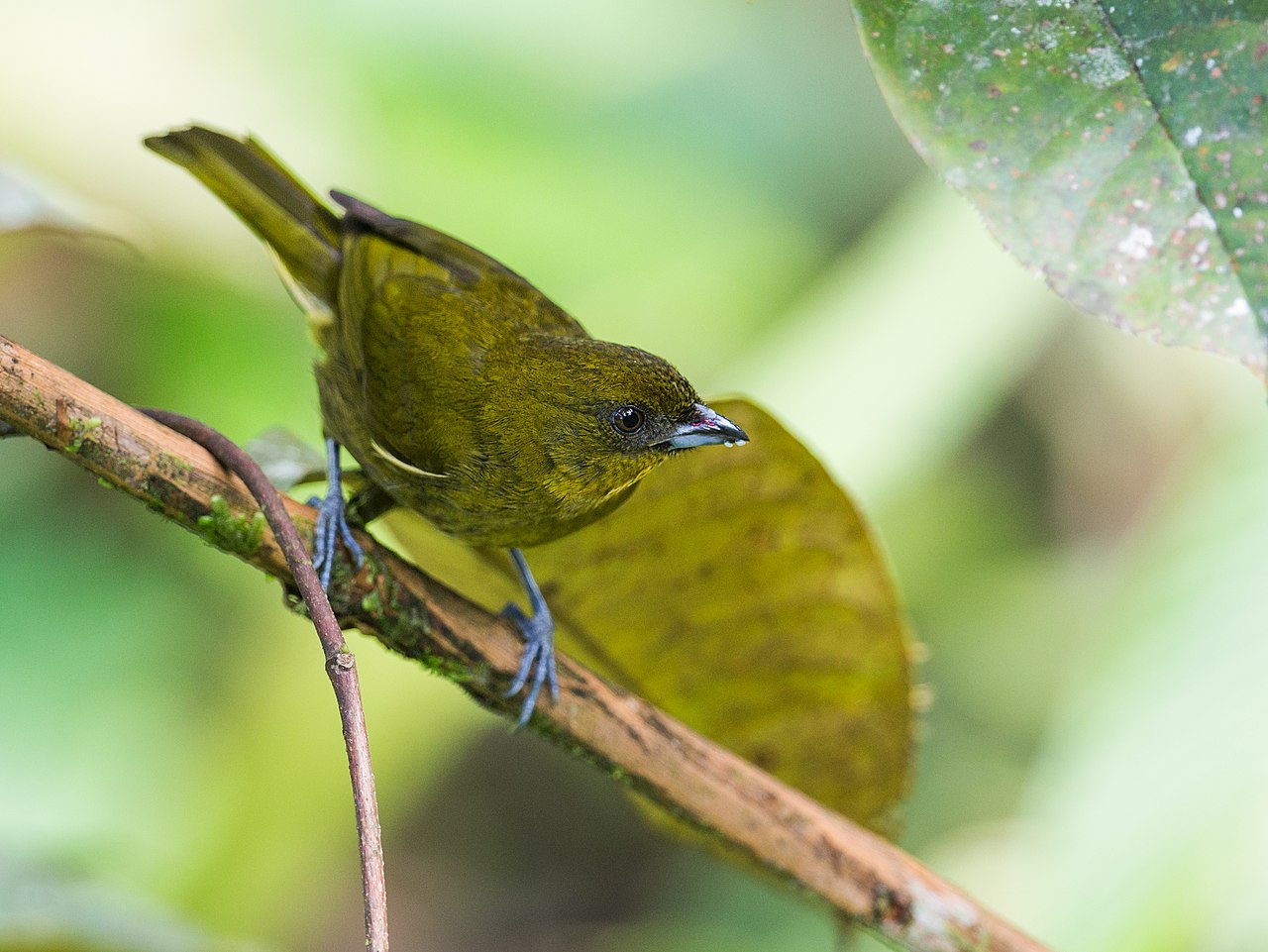
The yellow-fronted woodpecker is a species of bird in the family Picidae. It is found in Brazil, Paraguay and far north-eastern Argentina. Its natural habitats are subtropical or tropical moist lowland forests and heavily degraded former forest. It is a fairly common bird with a wide range and the International Union for Conservation of Nature has classified its conservation status as "least concern".
Region
Atlantic Forest of eastern South America
Typical Environment
Occurs in eastern and southern Brazil, eastern Paraguay, and far northeastern Argentina. It inhabits moist lowland and foothill forests, edges, secondary growth, and degraded or fragmented woodland. The species readily uses orchards, plantations, and parks where large trees remain. It tolerates disturbed habitats better than many forest specialists, provided suitable nest trees and fruiting resources are available.
Altitude Range
Sea level to 1400 m
Climate Zone
Subtropical
Ease of Keeping
Beginner friendly: 1/5
This striking woodpecker often visits fruiting trees and even garden feeders, making it one of the more frequently seen Atlantic Forest woodpeckers. Males show a bright red crown while females have a darker crown, making sexing straightforward at a glance. It excavates nest cavities in dead wood and helps control insect populations while also dispersing seeds from the fruits it eats.


Temperament
social and active
Flight Pattern
undulating with short rapid wingbeats
Social Behavior
Typically seen in pairs or small family groups and often joins mixed-species flocks at fruiting trees. It excavates nest cavities in soft or dead wood and is generally monogamous. Both sexes participate in nest defense and provisioning.
Migratory Pattern
Resident
Song Description
Gives sharp pik and wick calls and a nasal chattering series during interactions. Drumming is relatively light and brief compared to larger woodpeckers but used for territorial signaling.
Plumage
Bright yellow forehead and face with contrasting dark mask, glossy dark upperparts with pale barring on wings and back, and finely barred underparts. Males have a vivid red crown and nape; females have a darker or blackish crown with red confined to the nape. A pale or white rump patch can be visible in flight.
Diet
Takes a mixed diet of insects (ants, beetles, larvae) gleaned from bark and wood, and a substantial amount of fruit such as figs and other soft berries. It occasionally probes for hidden prey and may hawk short distances for flying insects. By consuming fruit, it contributes to seed dispersal within fragmented forests.
Preferred Environment
Feeds from mid-levels to canopy on trunks, limbs, and large branches, and frequently visits fruiting trees. It also forages along forest edges, in secondary woodland, and in agroforestry or park settings with mature trees.