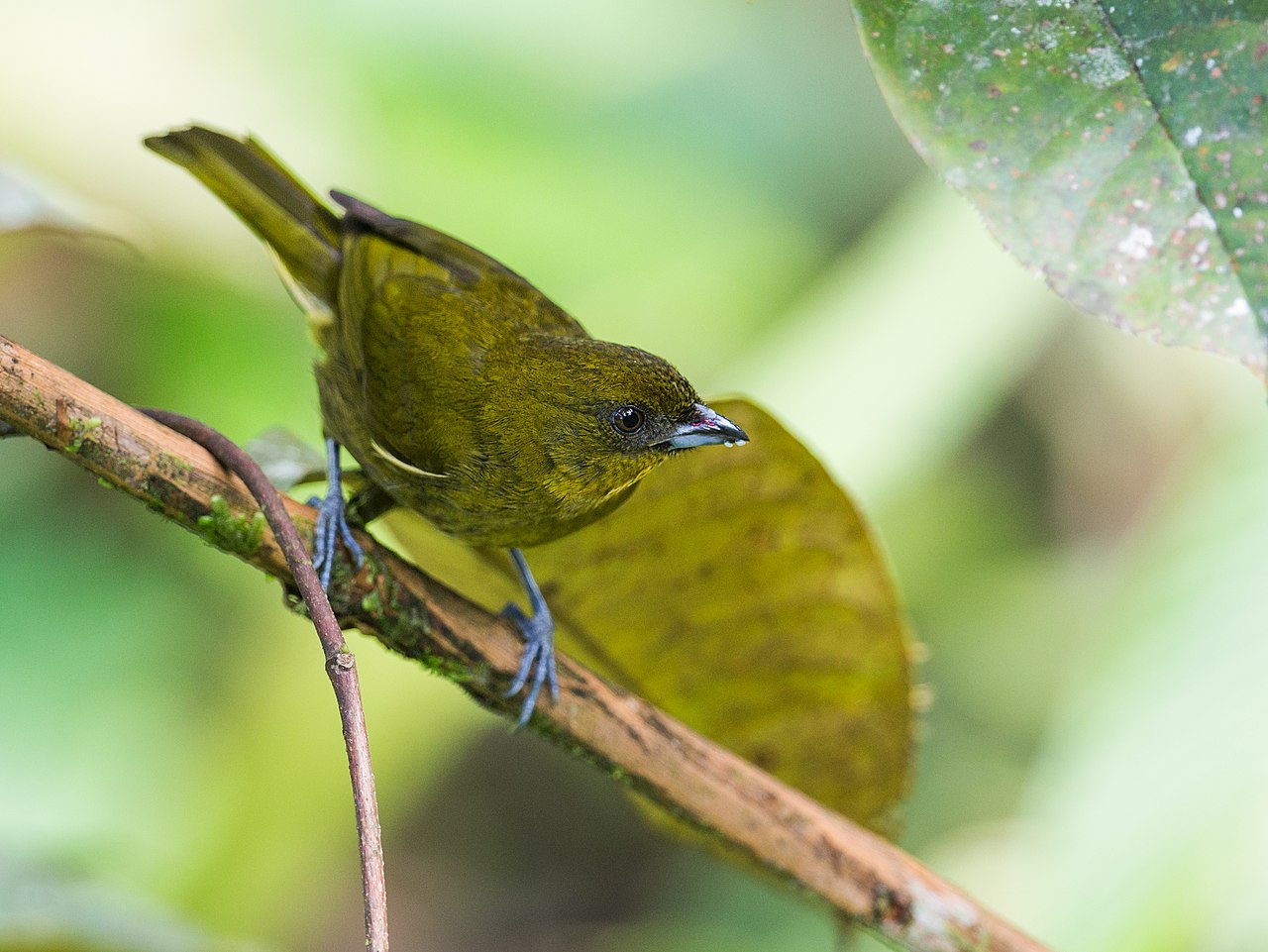
The yellow-fronted tinkerbird is a small bird in the family Lybiidae formerly known as yellow-fronted tinker barbet. It is sometimes considered conspecific with its southern counterpart, the red-fronted tinkerbird, Pogoniulus pusillus. Barbets are near passerine birds with bristles around the base of the bill and a world-wide tropical distribution.
Region
Sub-Saharan Africa
Typical Environment
Occurs widely in open woodland, savanna, thornveld, forest edges, riparian thickets, and suburban gardens. Prefers areas with scattered trees and abundant fruiting shrubs or figs. It is adaptable and can persist in fragmented habitats provided suitable trees for foraging and nesting are present. Nests are typically placed in dead branches or stubs where the wood is soft enough to excavate.
Altitude Range
0–2400 m
Climate Zone
Tropical
Ease of Keeping
Beginner friendly: 1/5
A tiny African barbet, the yellow-fronted tinkerbird is best detected by its rapid, metronomic “tink-tink-tink” song that can carry far through savanna and woodland. It often forages quietly in the canopy and along edges, making it more often heard than seen. Like other tinkerbirds, it excavates its own small nesting cavity in dead wood. It has sometimes been treated as conspecific with the red-fronted tinkerbird.


Temperament
secretive but vocal
Flight Pattern
short, undulating flight with rapid wingbeats
Social Behavior
Usually solitary or in pairs, maintaining small territories that they defend mainly by song. Both sexes excavate a cavity in dead wood for nesting and share incubation and chick-rearing. Clutches are small and nests are typically unlined or sparsely lined.
Migratory Pattern
Resident
Song Description
A fast, evenly spaced series of metallic 'tink' notes delivered for long periods, often hundreds of notes without pause. Calls are used for territory advertisement and pair contact and can be antiphonal between mates.
Plumage
Compact barbet with greenish-olive upperparts and paler yellowish underparts, sometimes faintly streaked on the flanks. The head shows contrasting black-and-white facial striping with a bright yellow forecrown patch. Wings and tail are darker with small pale spotting or edging.
Diet
Feeds primarily on small fruits and berries, especially figs, supplemented by insects such as beetles, caterpillars, and other arthropods. It gleans prey from foliage, twigs, and bark and swallows many fruits whole, later dispersing seeds. Opportunistic feeding allows it to exploit seasonal fruiting events.
Preferred Environment
Forages in the mid to upper canopy of trees and along woodland edges, also visiting fruiting shrubs in gardens. Frequently uses fig trees and other fruiting species as focal feeding sites.