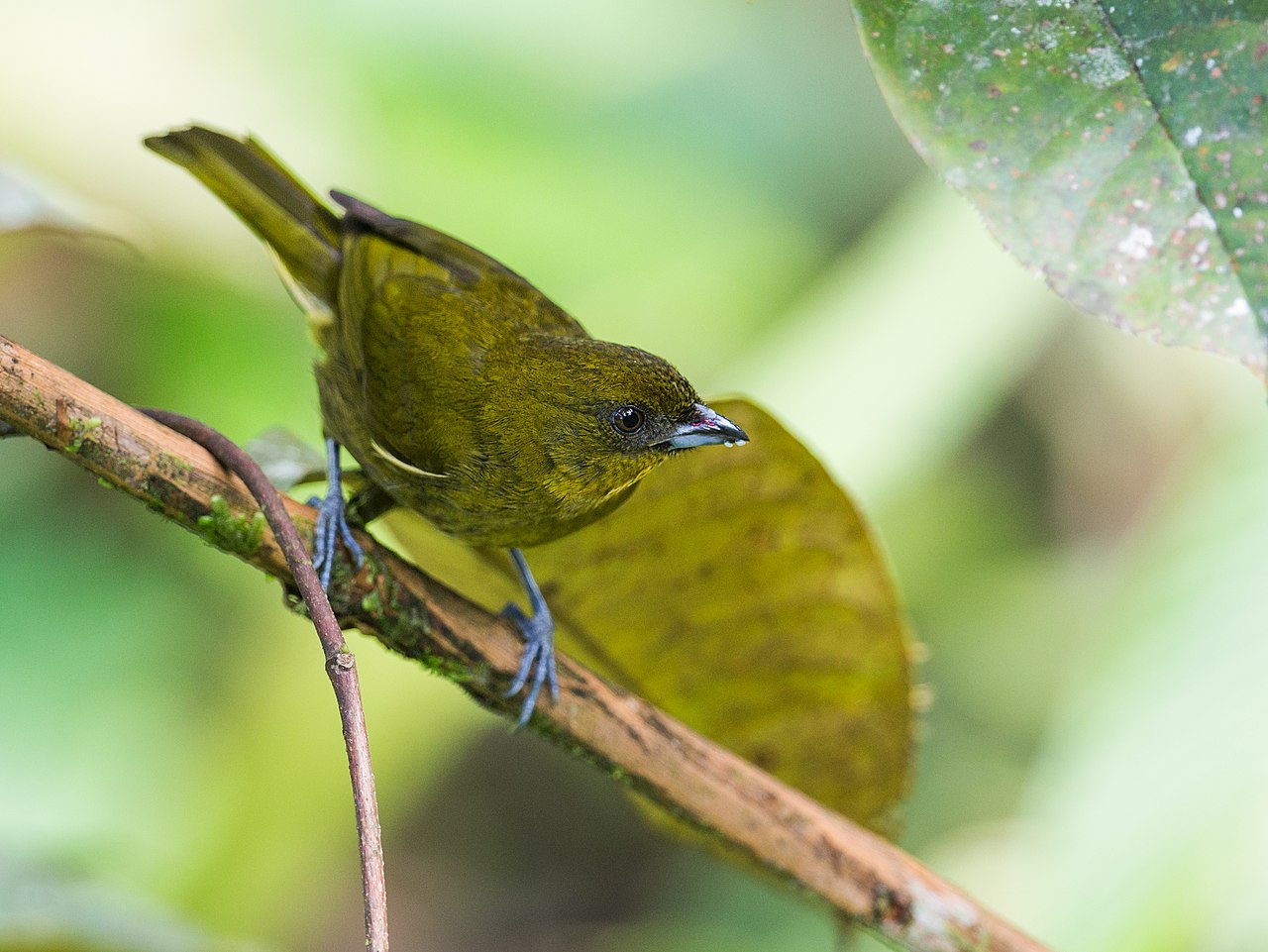
The yellow-fronted canary is a small passerine bird in the finch family. It is sometimes known in aviculture as the green singing finch or the green singer.
Region
Sub-Saharan Africa
Typical Environment
Widespread across much of sub-Saharan Africa, avoiding dense rainforest and true deserts. It favors open woodland, savanna, thornscrub, riparian thickets, and cultivated areas, and readily visits gardens and villages. The species often occurs near water and along field edges and road verges. Small introduced or escapee populations may occur locally outside its native range.
Altitude Range
Sea level to 2500 m
Climate Zone
Tropical
Ease of Keeping
Beginner friendly: 4/5
Also known in aviculture as the green singing finch or Mozambique canary, this species is prized for its bright, cheerful song. Males show a bolder yellow forehead and sing frequently from exposed perches. It adapts well to human-altered landscapes such as gardens and farmland. Escaped cage birds have formed small introduced populations in a few places outside Africa.


Temperament
social and active
Flight Pattern
undulating flight with short, rapid wingbeats
Social Behavior
Usually seen in pairs or small flocks outside the breeding season, sometimes joining mixed-species foraging groups. During breeding, pairs defend small territories and build neat cup nests in shrubs or low trees. Clutches typically contain 2–4 eggs, and both parents feed the young.
Migratory Pattern
Resident
Song Description
A bright, musical series of twitters, trills, and warbles delivered from exposed perches. The song is lively and repetitive, with clear, ringing notes interspersed with softer phrases.
Plumage
Olive-green upperparts with dark streaking, bright yellow forehead and supercilium, and yellow underparts with faint flank streaks. The rump is yellowish, and the wings show pale, subtle wingbars. Females and juveniles are duller and more heavily streaked.
Diet
Primarily takes grass and weed seeds, supplemented with buds, flowers, and tender shoots. It also consumes small insects, especially during the breeding season to feed nestlings. Foraging is typically by gleaning from the ground and low vegetation, and it will visit crops and garden feeders.
Preferred Environment
Edges of fields, roadsides, gardens, and open woodland where seed-bearing plants are abundant. Frequently forages on the ground or in low shrubs and along watercourses.