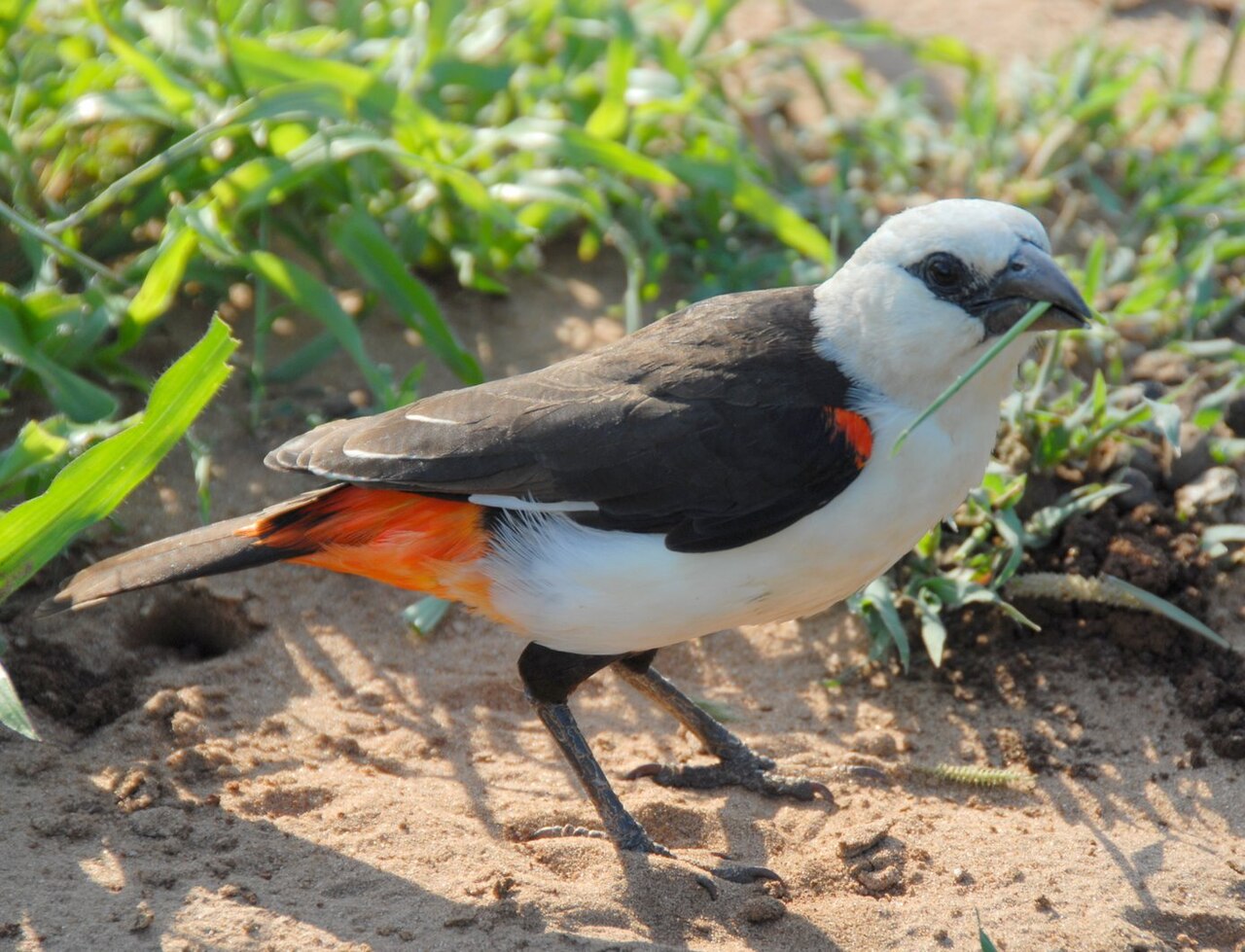
The white-gorgeted flycatcher is a species of passerine bird in the Old World flycatcher family. It is native to Bangladesh, Bhutan, China, India, Laos, Myanmar, Nepal, Thailand and Vietnam. Its natural habitat is subtropical or tropical moist montane forests. It was formerly placed in the genus Ficedula.
Region
Eastern Himalayas and Indochina
Typical Environment
Found from the Himalayan foothills through northeast India, Bhutan, Nepal, Bangladesh (southeast), and into southern China and mainland Southeast Asia including Myanmar, Thailand, Laos, and Vietnam. It inhabits subtropical and tropical moist montane forests with dense undergrowth. Birds favor shaded ravines, bamboo thickets, and streamside tangles, where cover is abundant. It is most often encountered below the mid-canopy, close to the ground. Local altitudinal movements occur in some parts of its range.
Altitude Range
300–2500 m
Climate Zone
Subtropical
Ease of Keeping
Beginner friendly: 1/5
A shy understory flycatcher, the white-gorgeted flycatcher is named for its crisp white throat patch, or 'gorget'. It forages low in dense montane forests, often near streams and bamboo thickets. Formerly placed in Ficedula, it is now assigned to the genus Anthipes based on vocal and genetic evidence.

Temperament
shy and skulking
Flight Pattern
short rapid wingbeats
Social Behavior
Usually solitary or in pairs in the breeding season, occasionally joining mixed-species flocks while foraging. Nests are typically cup-shaped and placed low, often in banks, roots, or dense vegetation near streams. Both parents attend the nest and feed the young. Territorial singing males defend small patches of dense understory.
Migratory Pattern
Partial migrant
Song Description
Song is a soft, melodious series of clear whistles delivered from a concealed perch. Calls include thin, high-pitched tseep notes and quiet churring when alarmed.
Plumage
Dull brown to olive-brown upperparts with warmer tones on the wings and flanks; clean white triangular throat patch bordered by a darker malar/neck line; underparts buffy to grayish with paler belly. Females and immatures are duller with a less sharply defined gorget.
Diet
Primarily small insects and other arthropods, including flies, beetles, moths, caterpillars, and spiders. It gleans prey from leaves, twigs, and the forest floor and makes short sallies to snatch flying insects. Foraging is methodical and low, rarely above the mid-understory. It often returns repeatedly to favored perches along shaded trails and stream margins.
Preferred Environment
Dense understory of moist montane forest, especially along streams, in bamboo clumps, and in shaded gullies. It favors areas with abundant leaf litter and tangled vegetation that offer cover and foraging opportunities.