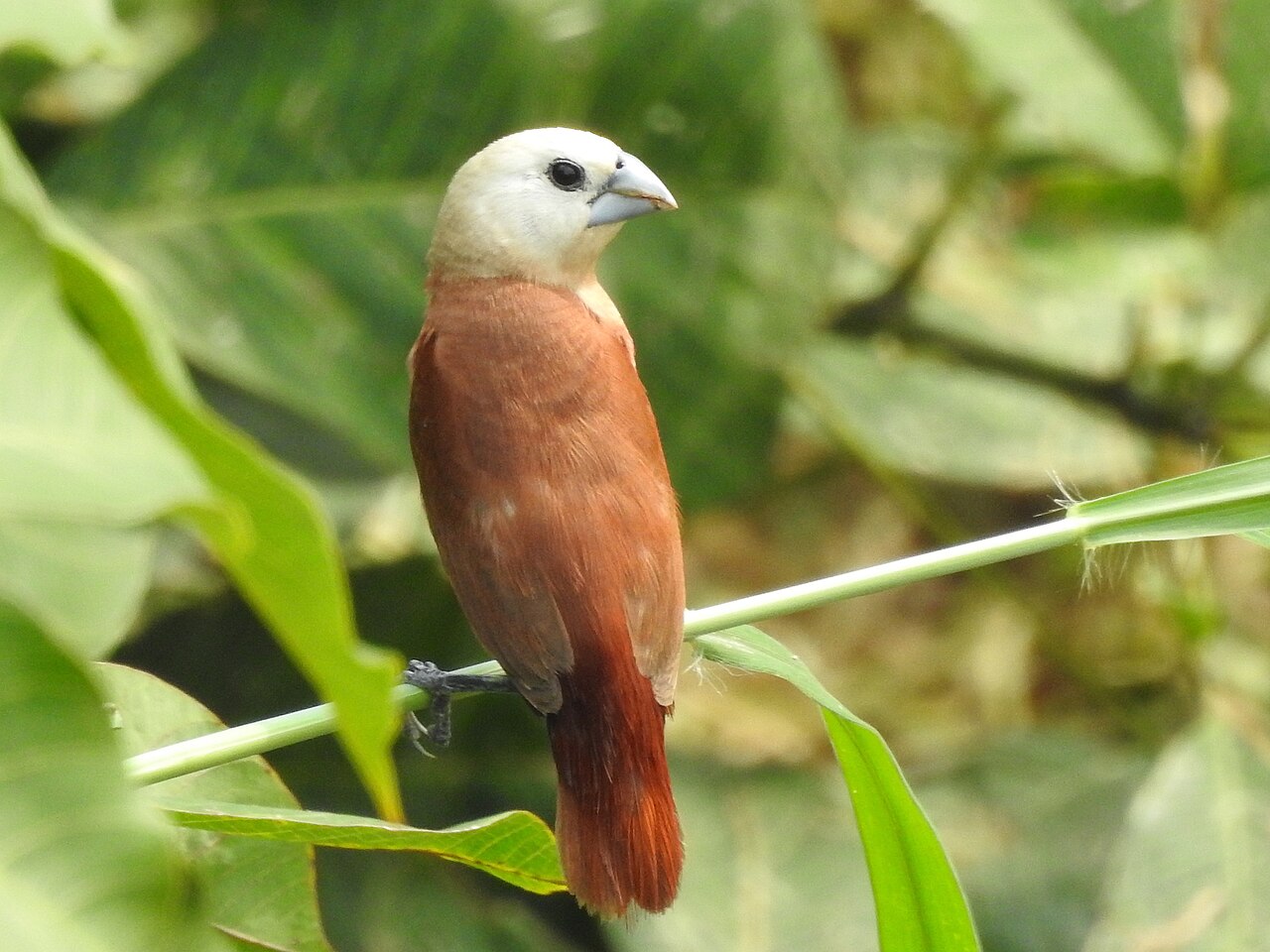
The white-headed duck is a small diving duck some 45 cm (18 in) long. The male has a white head with black crown, a blue bill, and reddish-grey plumage. The female has a dark bill and rather duller colouring. Its breeding habitat is lakes with open water and dense vegetation at the margin. It dives under water and feeds on aquatic vegetation as well as some animal matter. It is more likely to swim away from a perceived threat than to fly. This duck is known from Spain, North Africa, Western Asia and Central Asia. Populations are declining, mostly due to loss of habitat and pollution, and the International Union for Conservation of Nature has rated the bird's status as "endangered".
Region
Western Palearctic and Central Asia
Typical Environment
Breeds on shallow, well-vegetated lakes, marshes, and reservoirs with extensive reedbeds or bulrush, adjacent to open water. It favors eutrophic water bodies with dense emergent vegetation for nesting and cover. In winter it uses larger lakes, brackish lagoons, and sheltered coastal wetlands. It avoids fast-flowing rivers and requires quiet waters with abundant submerged plants. During migration, it may use a chain of inland wetlands across the Mediterranean and West Asia.
Altitude Range
0–2000 m
Climate Zone
Temperate
Ease of Keeping
Beginner friendly: 1/5
A stiff-tailed duck, the male shows a striking white head with a glossy black crown and a bright sky-blue bill in the breeding season. It prefers to dive rather than fly when disturbed and often holds its spiky tail cocked. One of its greatest threats in Western Europe has been hybridization with the introduced Ruddy Duck, prompting control programs to protect the species’ genetic integrity. Habitat loss, water pollution, and wetland drainage have also driven significant declines.


Male in winter
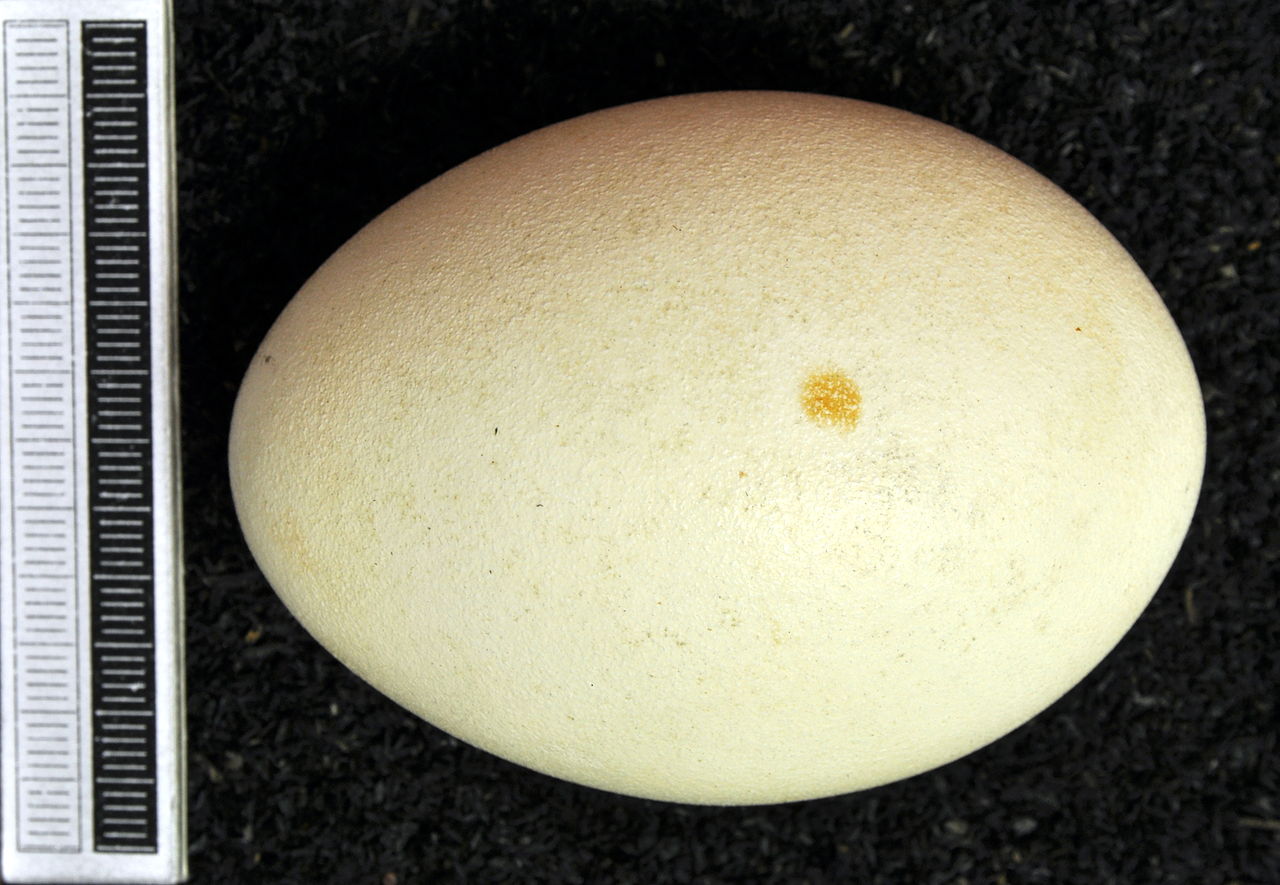
Egg, collection Museum Wiesbaden
Temperament
secretive and wary
Flight Pattern
short rapid wingbeats; reluctant flier
Social Behavior
Often seen singly or in small groups; larger flocks form on wintering grounds. Courtship includes bubbling and splashing displays by males near dense reeds. Nests are built low over water or amid emergent vegetation, usually concealed, with clutch sizes of 5–9 eggs. Parental care is primarily by the female.
Migratory Pattern
Partial migrant
Song Description
Generally quiet; males produce a distinctive bubbling or drumming display call during courtship. Females give low, nasal quacks and gruff calls when alarmed or communicating with ducklings.
Plumage
Male with white head and contrasting black crown and nape, rich chestnut to rufous body, and a stiff, often cocked tail; female and non-breeding birds are duller brown with mottling and a dark cap and cheek stripe.
Diet
Feeds by diving and upending on aquatic plants (leaves, seeds, and tubers) and a range of aquatic invertebrates such as insect larvae, mollusks, and small crustaceans. Diet composition shifts seasonally with availability, often more plant-heavy outside the breeding season. It may occasionally take small fish or amphibian larvae.
Preferred Environment
Forages in sheltered, shallow margins of lakes and lagoons near reedbeds, as well as in open patches of still water. It favors eutrophic wetlands with dense submerged vegetation that supports abundant invertebrates.