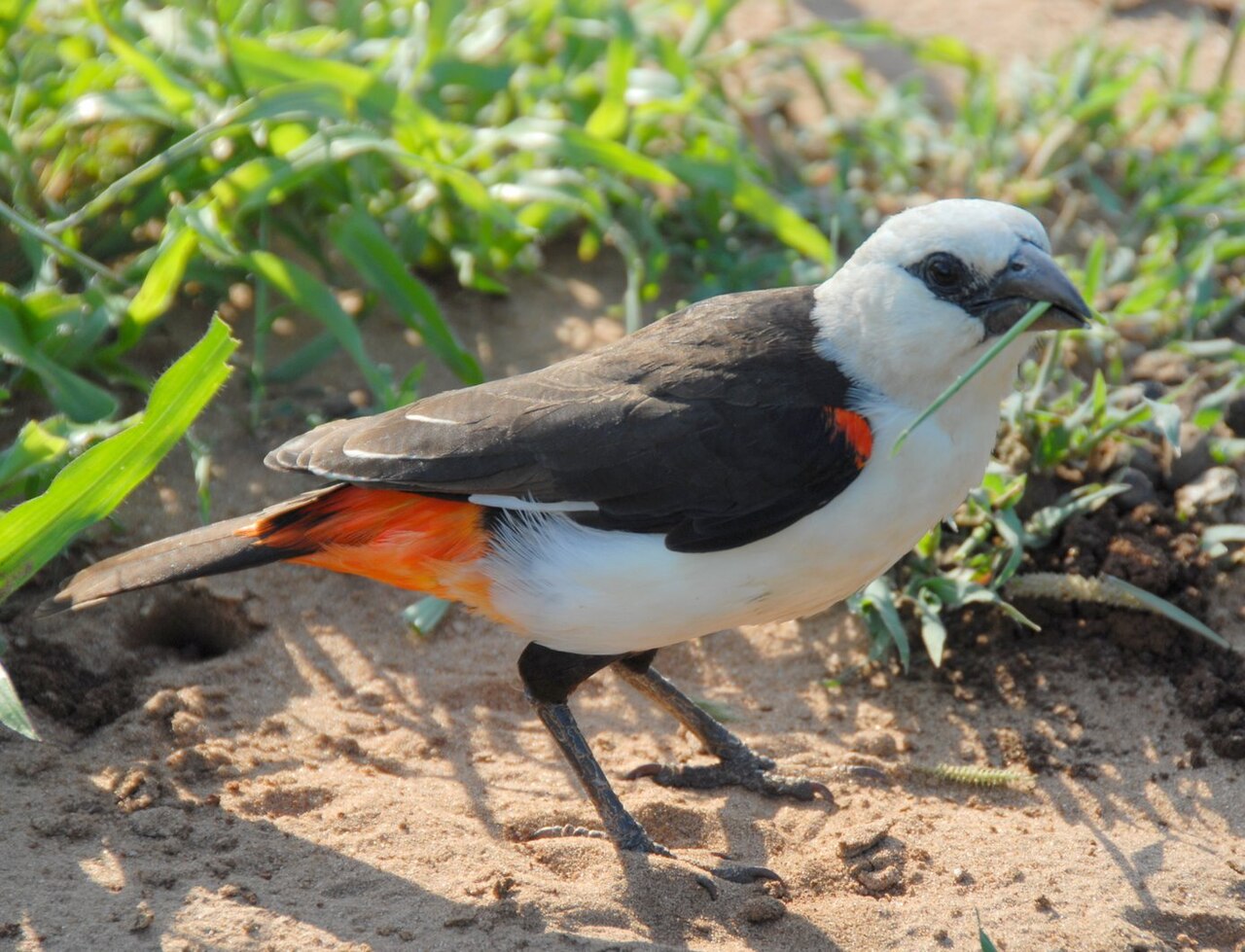
The white-gaped honeyeater is a species of bird in the family Meliphagidae. It is endemic to Australia.
Region
Northern Australia
Typical Environment
Occurs across the tropical north of Australia, from the Kimberley region of Western Australia through the Top End to the Gulf of Carpentaria and Cape York Peninsula. It favors riparian eucalypt woodlands, paperbark (Melaleuca) swamps, mangrove edges, and monsoon forest margins. The species often concentrates where trees are flowering and where insect activity is high. It adapts well to open woodland mosaics with nearby water and dense understorey for nesting.
Altitude Range
Sea level to 600 m
Climate Zone
Tropical
Ease of Keeping
Beginner friendly: 1/5
The white-gaped honeyeater is named for the conspicuous white gape—the bare skin at the base of the bill—which is most visible when the bird calls. It plays a role in pollinating flowering trees like eucalypts and paperbarks while also controlling insect populations. Often noisy and inquisitive, it frequents riparian woodlands and monsoon forests across northern Australia.

Temperament
social and active
Flight Pattern
short rapid wingbeats
Social Behavior
Usually seen in pairs or small, noisy groups, sometimes joining mixed-species flocks. Builds a small, cup-shaped nest suspended in foliage; both parents typically participate in care. Breeding mainly occurs during the wet season when food is abundant.
Migratory Pattern
Resident
Song Description
Vocal repertoire includes sharp, scolding chatter and harsh chips, interspersed with short, repetitive phrases. Calls carry well through woodland and are often delivered from exposed perches.
Plumage
Fairly uniform olive-brown above with paler gray-buff underparts; feathers smooth and plain with minimal streaking.
Diet
Feeds on nectar from eucalypts, melaleucas, grevilleas, and other flowering shrubs and trees. Also takes insects and spiders by gleaning from foliage and bark and by short sallies. Will supplement with small fruits and honeydew when available. Diet shifts locally to follow flowering and insect abundance.
Preferred Environment
Forages mainly in the mid to upper canopy of flowering trees, along creek lines, swamps, and forest edges. Frequently visits paperbark swamps and riparian corridors where blossoms and insects are concentrated.