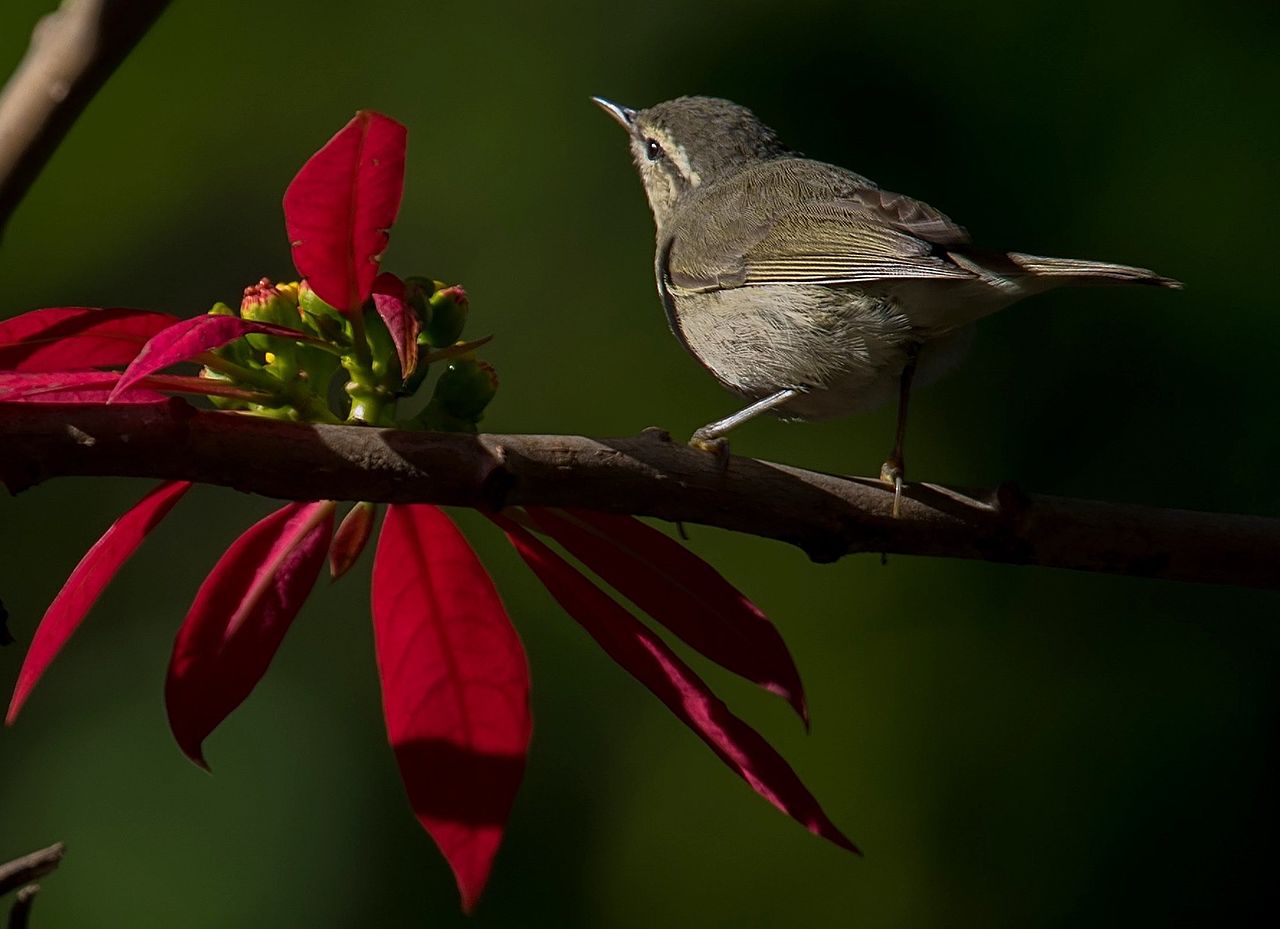
The two-banded warbler is a species of bird in the family Parulidae. It is found in Argentina, Bolivia, Brazil, Guyana, Peru, and Venezuela. Its natural habitats are subtropical or tropical moist montane forests and heavily degraded former forest.
Region
Andean foothills and Guiana Shield highlands
Typical Environment
Occurs from the eastern Andean slopes through foothill and montane forests in Venezuela, Peru, Bolivia, and northwestern Argentina, with disjunct populations on tepui highlands extending into southern Venezuela and Guyana, and locally in adjacent Brazil. It inhabits humid evergreen forest interiors, edges, and riparian thickets. The species also uses second-growth and heavily degraded former forest where dense understory persists. Often found near ravines and along shaded streams with abundant leaf litter.
Altitude Range
400–2500 m
Climate Zone
Subtropical
Ease of Keeping
Beginner friendly: 1/5
This Neotropical warbler often forages in the shaded understory and along stream edges, frequently joining mixed-species flocks. It is agile and keeps its tail slightly cocked while flicking it as it moves through dense foliage. The common name refers to a pair of dusky breast bands that contrast with its yellow underparts. It tolerates secondary growth and degraded forest better than many montane birds.


Temperament
active but rather shy in dense cover
Flight Pattern
short rapid wingbeats through understory, low bounding dashes
Social Behavior
Usually found singly, in pairs, or small family groups, and commonly joins mixed-species flocks of understory insectivores. Nests are cup-shaped and placed low, often on banks or among dense vegetation near water. Both parents participate in caring for the young.
Migratory Pattern
Resident
Song Description
Song is a series of thin, high, slightly buzzy notes that accelerate into a short trill, often delivered from mid-level perches within cover. Calls include sharp tsee or tchip notes used to maintain contact while foraging.
Plumage
Olive-olivegreen upperparts with a grayish head, clean yellow underparts marked by two narrow dusky bands across the upper breast. A crisp whitish supercilium contrasts with a darker eye-line; throat typically bright yellow. Wings and tail are dusky with olive edging; underparts otherwise bright and fairly uniform below the bands.
Diet
Primarily small arthropods such as insects, spiders, and their larvae. It gleans from leaves, twigs, and mossy trunks and also probes among dead leaves and tangles near the ground. Occasionally sallies a short distance to snatch flushed prey. Foraging is methodical but quick, with frequent tail flicks.
Preferred Environment
Dense understory of humid montane and foothill forests, especially along shaded streams and ravines. Also forages along edges, in bamboo and vine tangles, and in secondary growth where leaf litter and low cover are abundant.