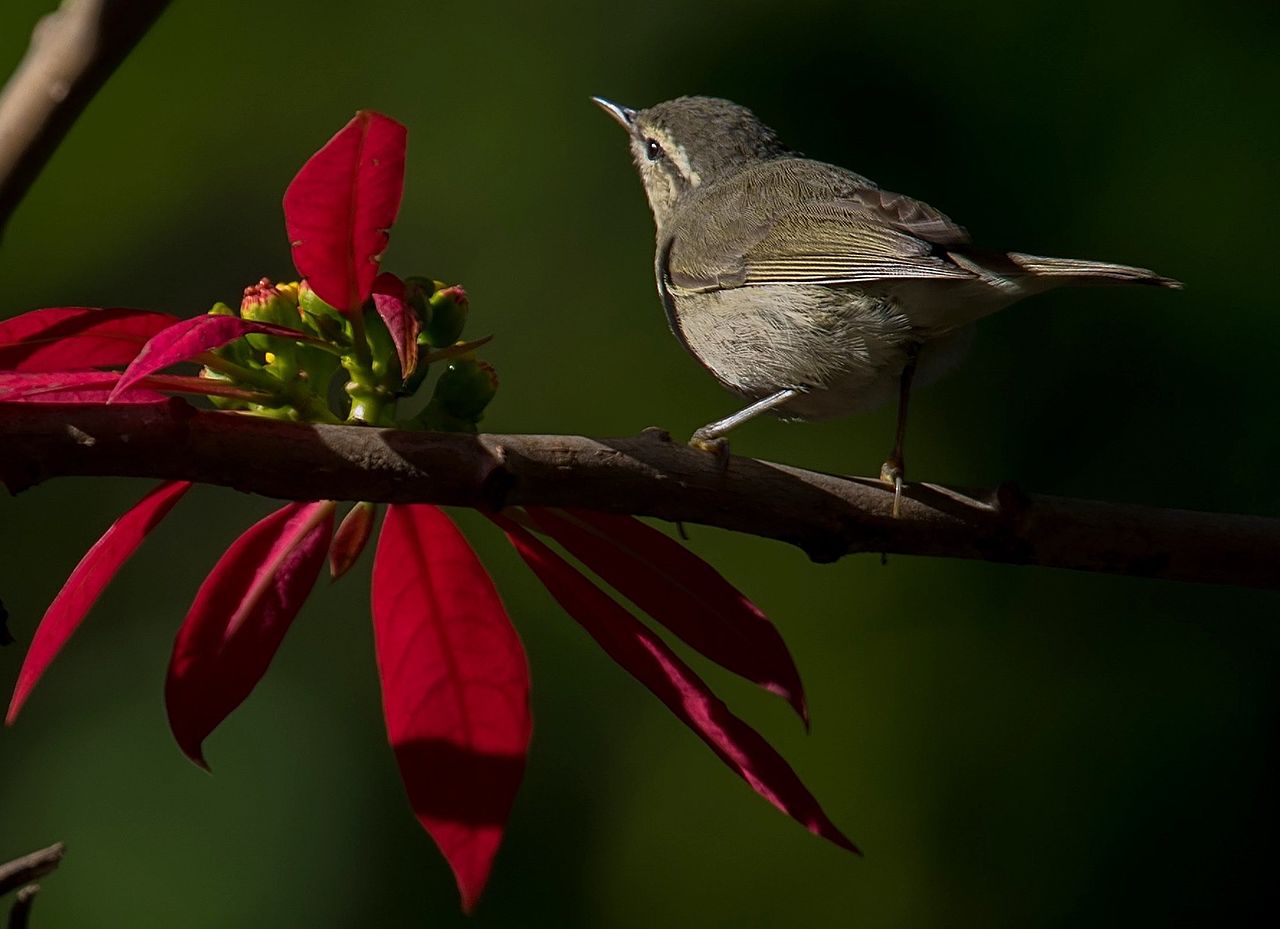
The Tyrian metaltail is a species of hummingbird in the subfamily Lesbiinae, the brilliants and coquettes. It is found in Bolivia, Colombia, Ecuador, Peru, and Venezuela.
Region
Andes Mountains
Typical Environment
Occurs along the northern and central Andes in Venezuela, Colombia, Ecuador, Peru, and Bolivia. It favors montane cloud forest edges, elfin forests, and shrubby páramo, and also uses Polylepis woodlands. The species often patrols flowering shrubs and small trees along roadsides and clearings. It adapts well to patchy and disturbed habitats so long as nectar sources are present.
Altitude Range
2000–4200 m
Climate Zone
Highland
Ease of Keeping
Beginner friendly: 1/5
Named for its iridescent, metallic-looking tail, the Tyrian metaltail is a small Andean hummingbird often seen zipping along forest edges and páramo shrublands. Males are territorial and vigorously defend rich flower patches. It tolerates disturbed habitats and may visit gardens at high elevations. Despite its tiny size, it ranges widely along the Andes from Venezuela to Bolivia.


in Peru

Temperament
solitary and territorial
Flight Pattern
short rapid wingbeats with agile hovering and darting
Social Behavior
Typically forages alone, with males defending flower-rich territories against other hummingbirds. Nest is a tiny cup of plant fibers and lichens, placed on sheltered branches or shrubs. Pairs are seasonal and the female handles most nesting duties.
Migratory Pattern
Resident
Song Description
Vocalizations are high, thin tseep notes and dry, insect-like trills. Wing hum is audible at close range, especially during chases.
Plumage
Males are shimmering green to bronzy-green with an intensely iridescent, metallic tail; females are duller with grayish underparts lightly scaled or speckled and a less vivid tail.
Diet
Feeds primarily on nectar from tubular flowers of shrubs and small trees, often in cloud forest edges and páramo scrub. It supplements its diet with small arthropods, which it hawks in mid-air or gleans from foliage. The mixed diet provides both sugars for energy and proteins for growth and maintenance.
Preferred Environment
Most often at forest edges, clearings, and shrubby slopes where flowering plants are abundant. Frequently visits roadside hedges and high-elevation gardens with suitable blooms.