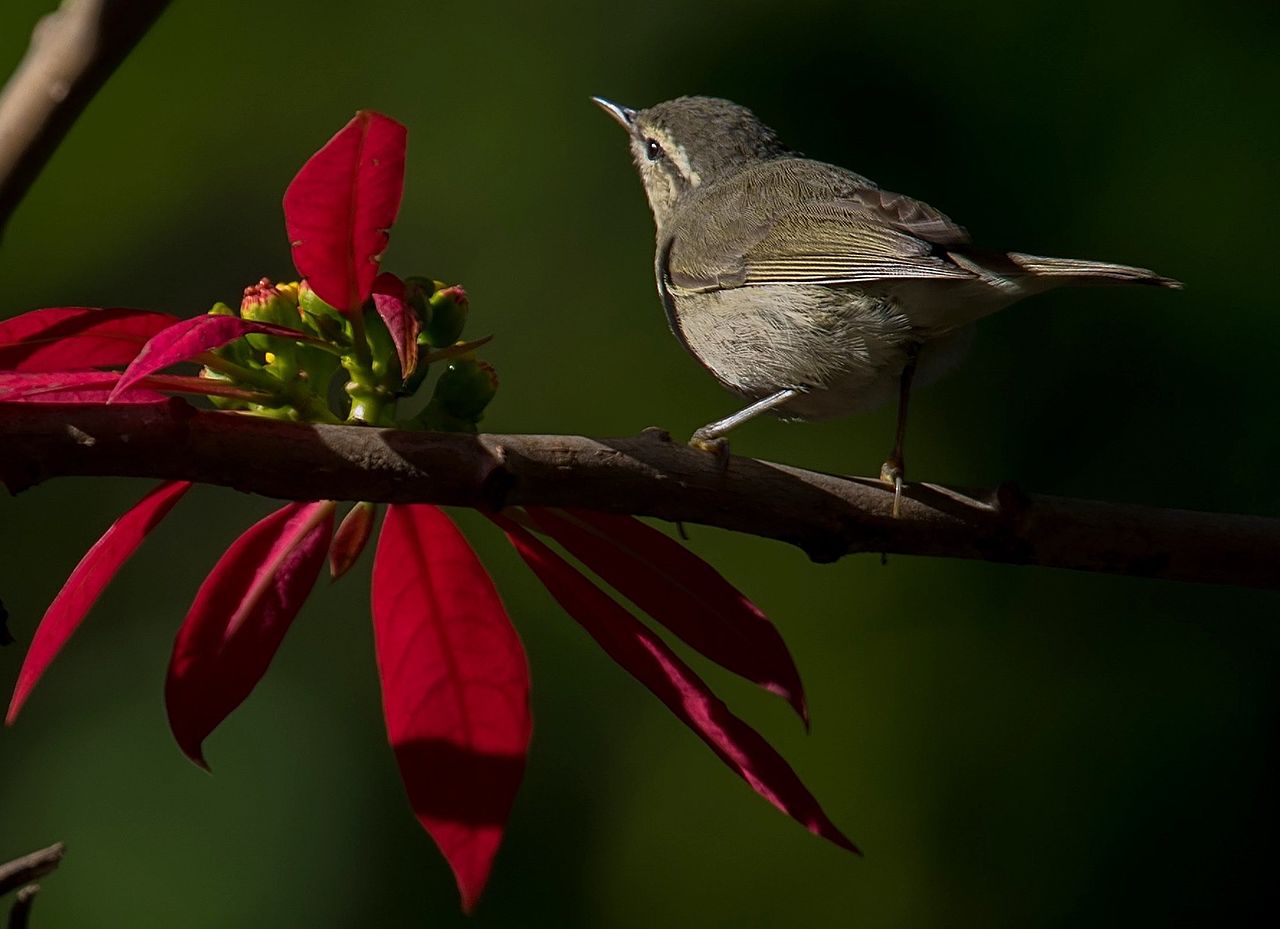
The tyrannine woodcreeper is a species of bird in subfamily Dendrocolaptinae of the ovenbird family Furnariidae. It is found in Bolivia, Colombia, Ecuador, Peru, and Venezuela.
Region
Andes Mountains
Typical Environment
Occurs in humid montane and cloud forests of the Andes from Venezuela through Colombia and Ecuador to Peru and Bolivia. Prefers mature forest with abundant epiphytes, moss, and vines, often along steep ravines and near streams. Usually keeps to interior and edges rather than open habitats, ranging from the understory to mid-canopy. It occasionally ventures into secondary growth adjacent to intact forest.
Altitude Range
600–2600 m
Climate Zone
Highland
Ease of Keeping
Beginner friendly: 1/5
A high-Andean member of the woodcreeper subfamily, it forages methodically on mossy trunks and large branches in humid cloud forests. It is mostly solitary or in pairs but will sometimes join mixed-species feeding flocks and may attend army-ant swarms. Its plain, dark brown plumage with warmer rufous wings and tail helps it blend into shadowed forest interiors.


Tandayapa Valley, Ecuador

Climbing posture, Tandayapa Valley, Ecuador

Temperament
solitary and unobtrusive
Flight Pattern
short rapid wingbeats between trunks
Social Behavior
Typically alone or in pairs within a territory, often accompanying mixed-species flocks while foraging. Nests are placed in natural cavities or rotting stumps, lined with wood chips; both adults likely participate in care. Territorial calling occurs at dawn and dusk, especially during breeding.
Migratory Pattern
Resident
Song Description
A series of clear, carrying whistles that may start with a long note and continue in evenly spaced phrases. Calls include sharp, scolding notes and short whistles used for contact within dense forest.
Plumage
Mostly plain dark brown with a slightly sootier head and back; wings and tail are warmer rufous-brown. Feathers are smooth and unbarred, giving a uniformly dark look in shade.
Diet
Feeds mainly on arthropods such as beetles, spiders, and orthopterans, gleaned from bark, moss, and epiphytes. It probes crevices, flicks aside leaf litter on trunks, and occasionally sallies to seize prey flushed into the open. It may attend army-ant swarms opportunistically and rarely takes small vertebrates.
Preferred Environment
Forages on large trunks, snags, and thick branches in dark, humid interior forest, often on steep slopes and along ravines. Also uses moss-laden limbs in the midstory and sometimes fallen logs.