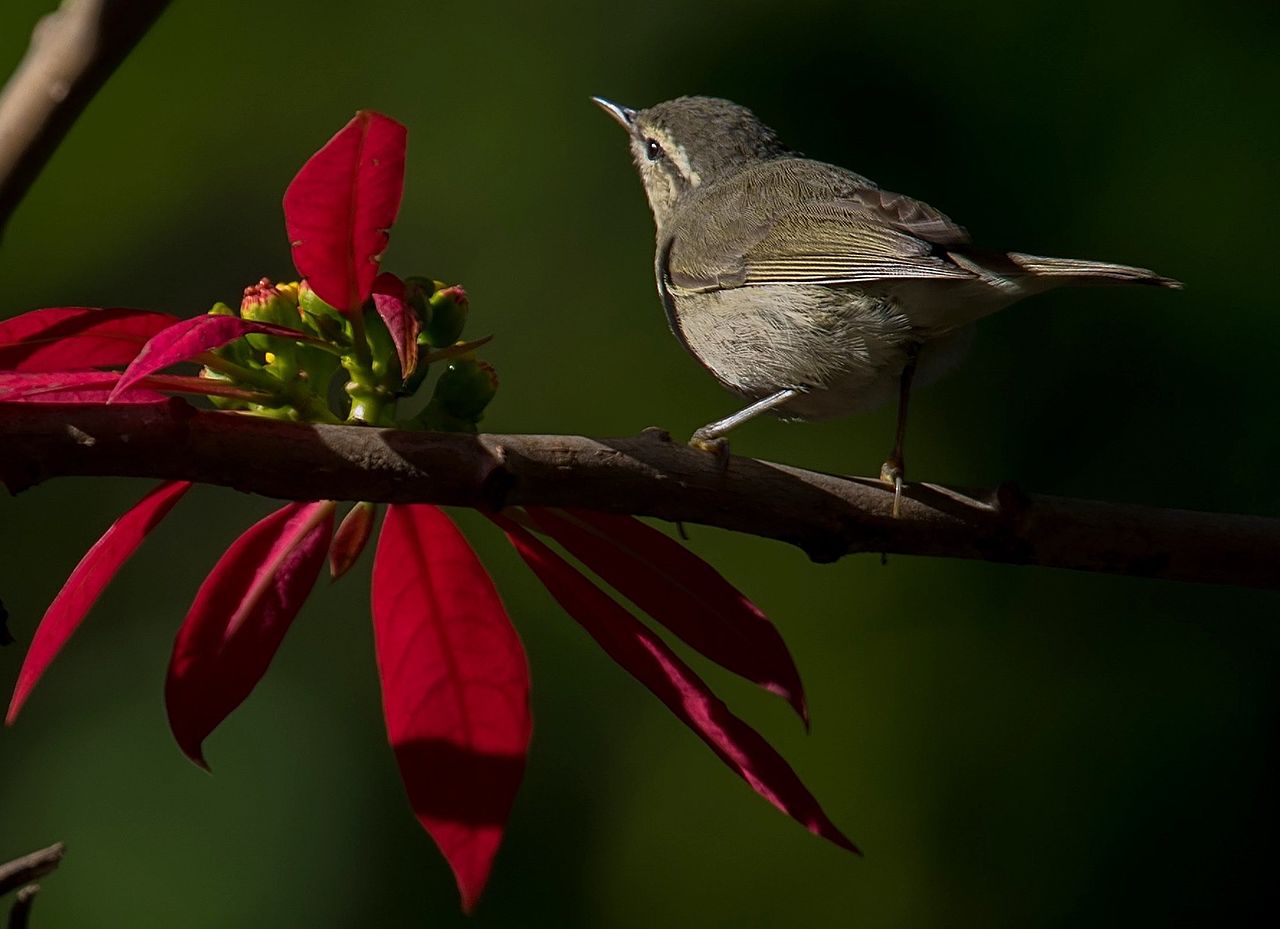
The tylas vanga is a species of bird in the family Vangidae. It is monotypic within the genus Tylas. It is endemic to Madagascar. Its natural habitats are subtropical or tropical dry forest and subtropical or tropical moist lowland forest.
Region
Madagascar
Typical Environment
Endemic to Madagascar, it occupies both humid eastern rainforests and western dry deciduous forests, including secondary growth and forest edges. It favors mid-story to canopy levels where it gleans prey from leaves, twigs, and bark. The species occurs across much of the island except the most arid far southwest. It tolerates some habitat degradation but remains most common in well-forested landscapes.
Altitude Range
Sea level to 1500 m
Climate Zone
Tropical
Ease of Keeping
Beginner friendly: 1/5
The Tylas vanga is the sole species in its genus, a distinctive member of Madagascar’s diverse vanga family. It forages methodically in the canopy and often joins mixed-species flocks, making it a good indicator of intact forest. Its sturdy, slightly hooked bill is adapted for probing bark and foliage for hidden prey. Despite a relatively wide range on the island, it depends on healthy forest cover.

Temperament
active and wary
Flight Pattern
short rapid wingbeats between perches
Social Behavior
Usually seen singly, in pairs, or in small family groups, and commonly joins mixed-species foraging flocks. Builds a small cup nest placed on a branch or fork; both sexes likely participate in provisioning. Breeding occurs during the rainy season when insect prey is abundant.
Migratory Pattern
Resident
Song Description
A series of clear, mellow whistles interspersed with soft chattering notes. Calls include sharp tik or tchik contact notes used while foraging in flocks.
Plumage
Upperparts olive- to grey-brown with paler, clean whitish to buff underparts; subtle shading and light mottling on the breast. Bill is stout and slightly hooked, often pale horn to grey. Males tend to appear slightly darker above, females warmer brown.
Diet
Primarily feeds on insects and other arthropods, gleaned from foliage, twigs, and bark. It probes into curled leaves and crevices and will sally short distances to snatch prey. Spiders and caterpillars are common items; it may occasionally take small fruits.
Preferred Environment
Mid-story to canopy strata of humid and dry forests, including forest edges and tall secondary growth. Often forages along with mixed-species flocks, moving steadily through the foliage.