

The turkey vulture is the most widespread of the New World vultures. One of three species in the genus Cathartes of the family Cathartidae, the turkey vulture ranges from southern Canada to the southernmost tip of South America. It inhabits a variety of open and semi-open areas, including subtropical forests, shrublands, pastures, and deserts.
Region
The Americas
Typical Environment
Ranging from southern Canada to the southern tip of South America, it occupies open and semi-open habitats such as grasslands, savannas, shrublands, farmland, and deserts. It also uses forest edges, riparian corridors, and coastal areas, but typically avoids dense interior forests. The species readily occurs near human-modified landscapes including landfills and roadsides. Roosts are in tall trees, cliffs, or human structures, often in large communal groups. It relies on thermal updrafts for extensive soaring while searching for carrion.
Altitude Range
Sea level to 3700 m
Climate Zone
Other
Ease of Keeping
Beginner friendly: 1/5
Turkey vultures have an exceptional sense of smell, uncommon among birds, allowing them to locate carrion beneath forest canopies. They play a major ecological role by cleaning up carcasses and limiting disease spread. Adults have bare red heads and often cool themselves and disinfect their legs by urohidrosis, which can leave a white coating. When threatened, they may vomit to deter predators and lighten for rapid takeoff.


In flight over Cuba


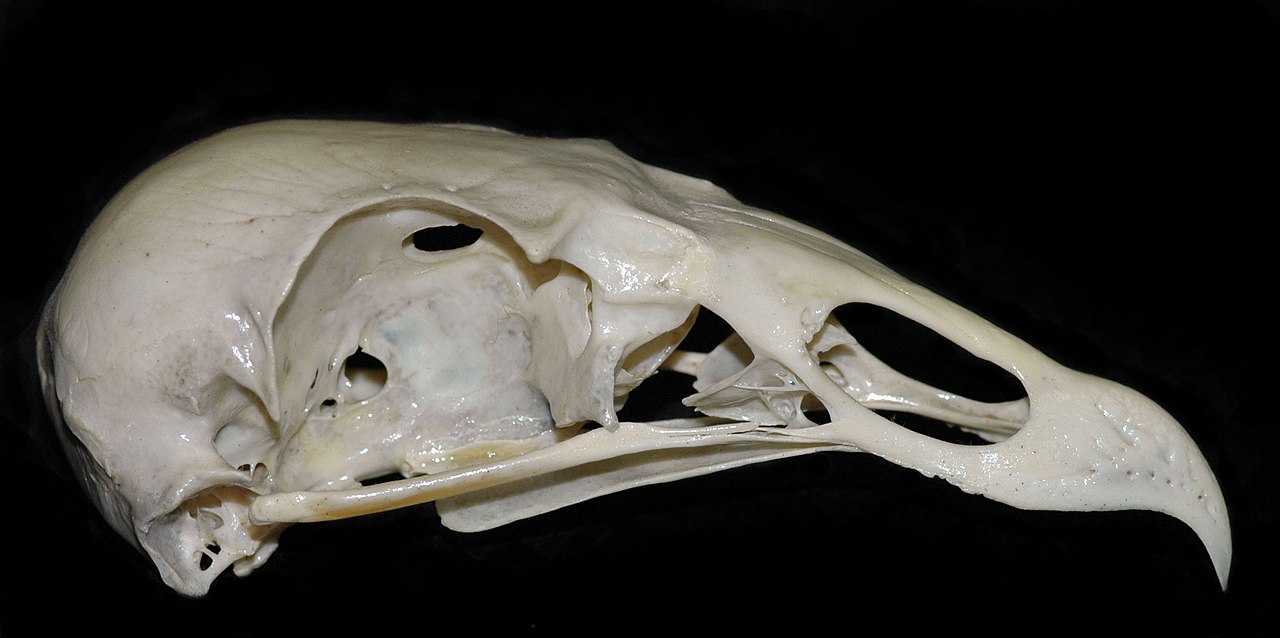
Skull of a turkey vulture


An eastern turkey vulture (C. a. septentrionalis) in flight (Canada)

Adult bird in horaltic pose

Turkey vulture flying in the Everglades

One chick immediately hatched and one egg not yet hatched


A side view, showing the perforated nostrils
Temperament
wary but gregarious at roosts
Flight Pattern
soaring glider
Social Behavior
Often forages singly or in loose association but roosts communally in groups that can number in the hundreds. Pairs are monogamous and reuse traditional nesting sites, which are simple cavities in caves, hollow logs, thickets, or on the ground with little to no nest material. Clutches typically contain 1–3 eggs, and both parents incubate and feed the young by regurgitation.
Migratory Pattern
Partial migrant
Song Description
Lacks a true song; vocalizations are limited to hisses and grunts. These sounds are given mainly at roosts, nest sites, or when threatened.
Plumage
Overall dark brown to black with two-toned wings showing pale silvery flight feathers below; long, slightly squared tail.
Diet
Primarily a scavenger feeding on carrion, favoring small to medium-sized carcasses but also using larger ones. It relies heavily on its keen sense of smell to locate food, a trait rare among birds. Occasionally consumes carrion of fish or marine mammals along coasts and may take invertebrates opportunistically. It rarely, if ever, kills live prey.
Preferred Environment
Feeds on the ground in open areas such as fields, roadsides, pastures, and landfills. Often locates food while soaring high on thermals, then descends in a circling glide to the carcass.


