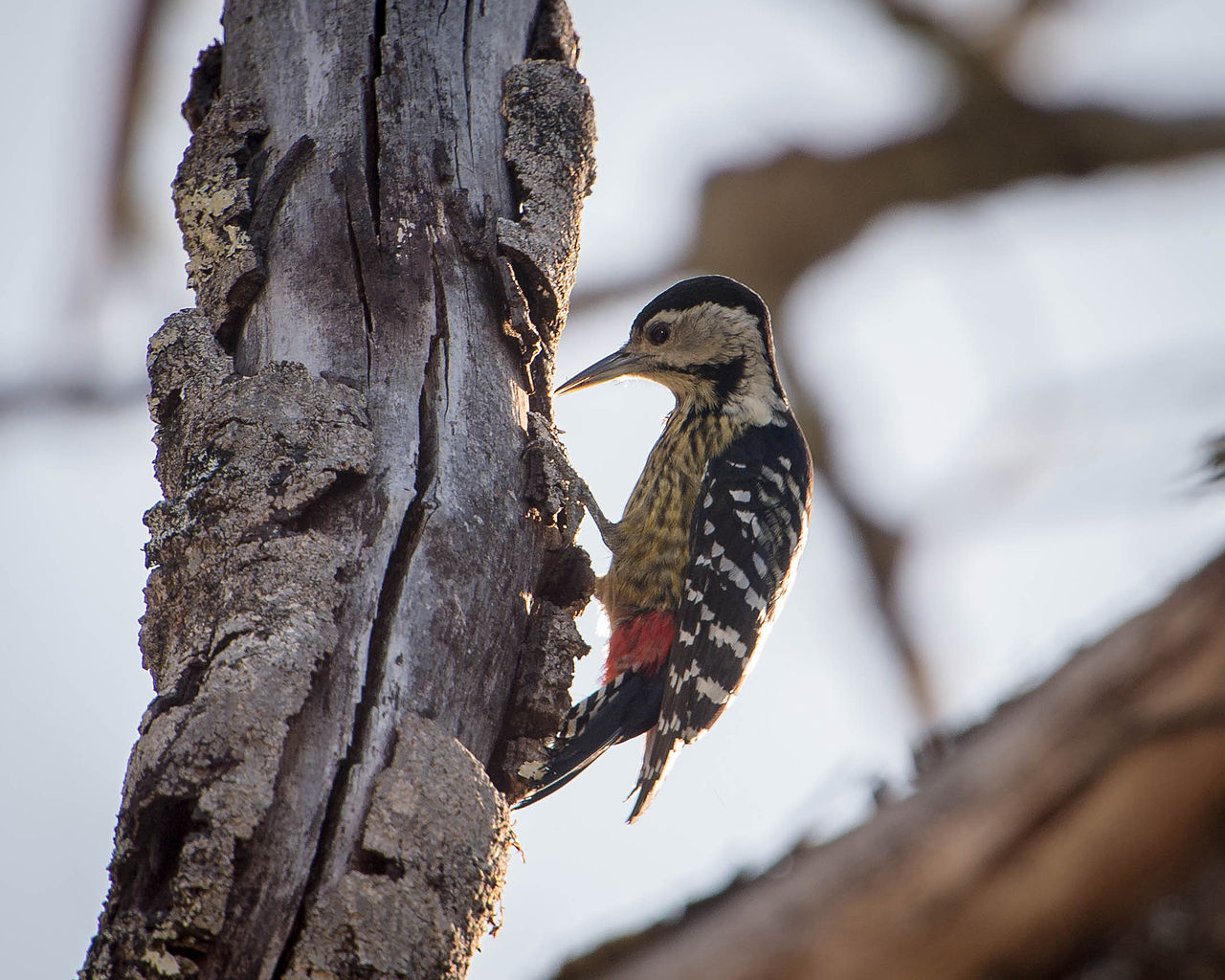
The stripe-breasted starthroat is a species of hummingbird in the "mountain gems", tribe Lampornithini in subfamily Trochilinae. It is endemic to Brazil.
Region
Northeast and eastern Brazil
Typical Environment
Occurs in semi-arid caatinga, cerrado edges, dry woodlands, and along Atlantic Forest margins, as well as in parks and flowering gardens. It prefers mosaics of scrub and taller trees that offer both perches and nectar resources. Along riparian corridors it forages at flowering shrubs and scattered trees. It adapts well to seasonal flower availability and may shift locally following bloom cycles.
Altitude Range
Sea level to 1500 m
Climate Zone
Tropical
Ease of Keeping
Beginner friendly: 1/5
The stripe-breasted starthroat is a medium-sized hummingbird of the tribe Lampornithini and is found only in Brazil. It favors semi-open habitats, from caatinga scrub and cerrado edges to Atlantic Forest margins and gardens. Males show a glittering, star-like gorget, while both sexes have distinctly streaked underparts that give the species its name. It often perches conspicuously between short feeding bouts and will defend rich nectar sources.


Temperament
solitary and territorial
Flight Pattern
short rapid wingbeats with agile hovering
Social Behavior
Typically forages alone and defends rich nectar sources from other hummingbirds. Nests are small cups placed on horizontal branches or forks, often camouflaged with lichens. Courtship includes aerial chases and display flights by the male. Breeding timing often aligns with peak flowering.
Migratory Pattern
Resident
Song Description
Vocalizations are high, thin chips and short series of squeaky notes. Males may give rapid, buzzy trills during display and while defending feeding territories.
Plumage
Bronze-green upperparts with a contrastingly streaked whitish breast and belly; male with an iridescent, star-like throat patch (gorget). Tail dark with pale or whitish tips; underparts appear finely lined from throat to flanks.
Diet
Takes nectar from a wide range of tubular flowers, including native shrubs, trees, and bromeliads. Frequently supplements its diet with small insects and spiders caught on the wing or gleaned from foliage. Will exploit flowering ornamental plants in gardens when available. Adjusts foraging routes to track seasonal blooms.
Preferred Environment
Feeds at forest edges, scrublands, riparian corridors, and urban gardens where blossoms are abundant. Often uses exposed perches to scan and sally to flowers or aerial prey.