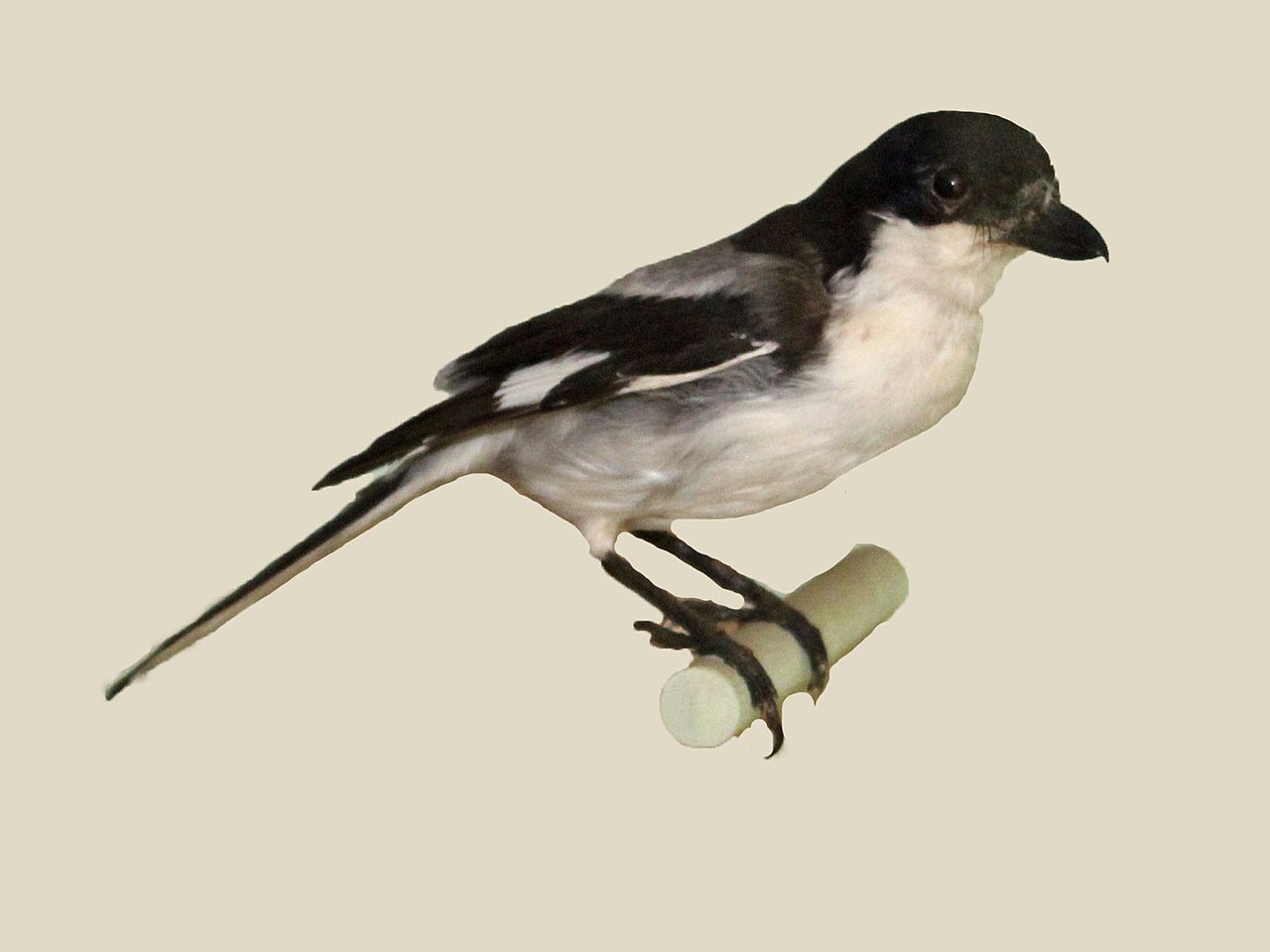
The Solomons white-eye or New Georgia white-eye is a species of bird in the family Zosteropidae. It is endemic to the New Georgia Islands in the Solomon Islands. It is also known as Zosterops rendovae but this name properly refers to the grey-throated white-eye.
Region
Melanesia
Typical Environment
Occurs throughout the New Georgia Island group in the western Solomon Islands, inhabiting lowland and hill forests. It uses primary rainforest, secondary growth, forest edges, coastal thickets, and gardens with substantial tree cover. The species tolerates moderate habitat disturbance and is common in village groves and plantations. It forages from understory to canopy, often moving quickly through foliage and along edges.
Altitude Range
Sea level to 1700 m
Climate Zone
Tropical
Ease of Keeping
Beginner friendly: 2/5
Also called the New Georgia white-eye, this species is confined to the New Georgia Islands of the Solomon Islands. The name Zosterops rendovae has been misapplied to it in the past, but properly refers to the grey-throated white-eye. Energetic and social, it forages in small flocks and often joins mixed-species parties. It likely aids local ecosystems through insect control, pollination, and seed dispersal.

Temperament
social and active
Flight Pattern
short rapid wingbeats
Social Behavior
Usually found in chattering flocks and frequently joins mixed-species foraging parties. Forms monogamous pairs during breeding, building small cup nests suspended in shrubs or slender branches. Both parents typically participate in rearing the young.
Migratory Pattern
Resident
Song Description
A high, thin series of twitters and short, sweet warbles interspersed with sharp contact calls. Vocalizations are rapid and conversational, aiding flock cohesion while foraging.
Plumage
Olive-green upperparts with yellow throat and vent, greyish to yellow-tinged underparts, and a crisp white orbital ring. Subtle pale edging on the wings and a cleaner yellow wash on the face. Plumage is sleek with a smooth, even texture typical of white-eyes.
Diet
Takes small insects, caterpillars, and spiders gleaned from leaves and twigs. Also consumes nectar from blossoms and soft fruits and berries, making it opportunistically omnivorous. May probe flowers and sally short distances for flying insects.
Preferred Environment
Forages in forest edges, gardens, and secondary growth with abundant foliage and flowering plants. Often feeds in the mid-story to canopy but will descend to shrubs, especially at fruiting bushes.