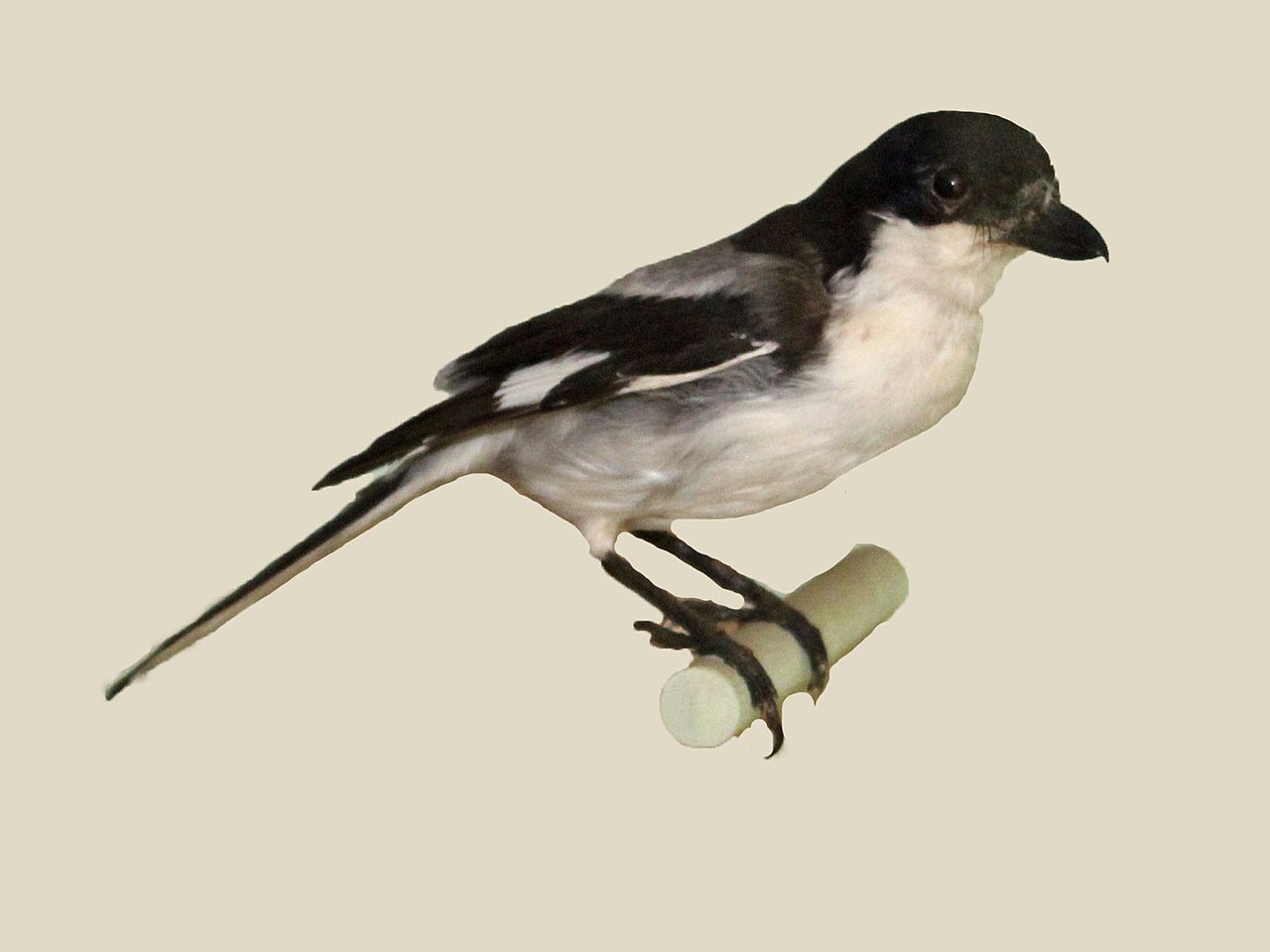
The Somali crow, or dwarf raven, is approximately the size of the carrion crow, Corvus corone but with a longer bill and a somewhat more brownish cast to the feathers, especially when worn.
Region
Horn of Africa
Typical Environment
Occurs across arid and semi-arid landscapes of Somalia and neighboring parts of Djibouti and eastern Ethiopia. It uses coastal plains, dry savanna, thorn-scrub, wadis, and rocky escarpments. The species readily exploits human-modified areas, including villages, rubbish tips, and livestock enclosures. Nest sites are often on cliffs, rock ledges, tall acacias, pylons, or buildings. It is largely sedentary within this range, shifting locally with food and water availability.
Altitude Range
Sea level to 2000 m
Climate Zone
Arid
Ease of Keeping
Beginner friendly: 2/5
Also called the dwarf raven, the Somali crow is similar in size to a carrion crow but with a heavier, longer bill and a subtly brownish cast to worn feathers. It is native to the Horn of Africa and is sometimes treated as a distinct species separate from the brown-necked raven based on voice and proportions. Highly adaptable, it frequents human settlements and shows typical corvid problem-solving behavior.


Somali Crow
Temperament
wary yet adaptable
Flight Pattern
strong flier with deep wingbeats and occasional soaring
Social Behavior
Usually seen in pairs or small family groups; larger loose flocks may form at good food sources. Monogamous pairs defend nesting territories. Nests are bulky stick structures lined with softer materials on cliffs, tall trees, or man-made structures. Both adults attend the young.
Migratory Pattern
Resident
Song Description
Vocalizations are a series of harsh croaks and rattling calls, generally higher-pitched and less resonant than larger ravens. Also gives grating contact notes and buzzy alarm calls around nests or carcasses.
Plumage
Glossy black overall with a subtle brownish sheen that becomes more evident when feathers are worn; throat hackles slightly shaggy.
Diet
An opportunistic omnivore taking insects, carrion, small vertebrates, eggs, seeds, and fruit. Regularly scavenges at abattoirs, rubbish dumps, and along roads. Will cache surplus food and may pirate from other birds. Forages both on the ground and by probing crevices with its long bill.
Preferred Environment
Open arid terrain with scattered shrubs or acacias, rocky cliffs, and coastal plains. Frequently forages around pastoral camps, markets, and settlement edges where refuse is available.