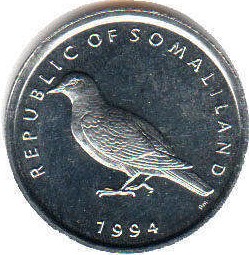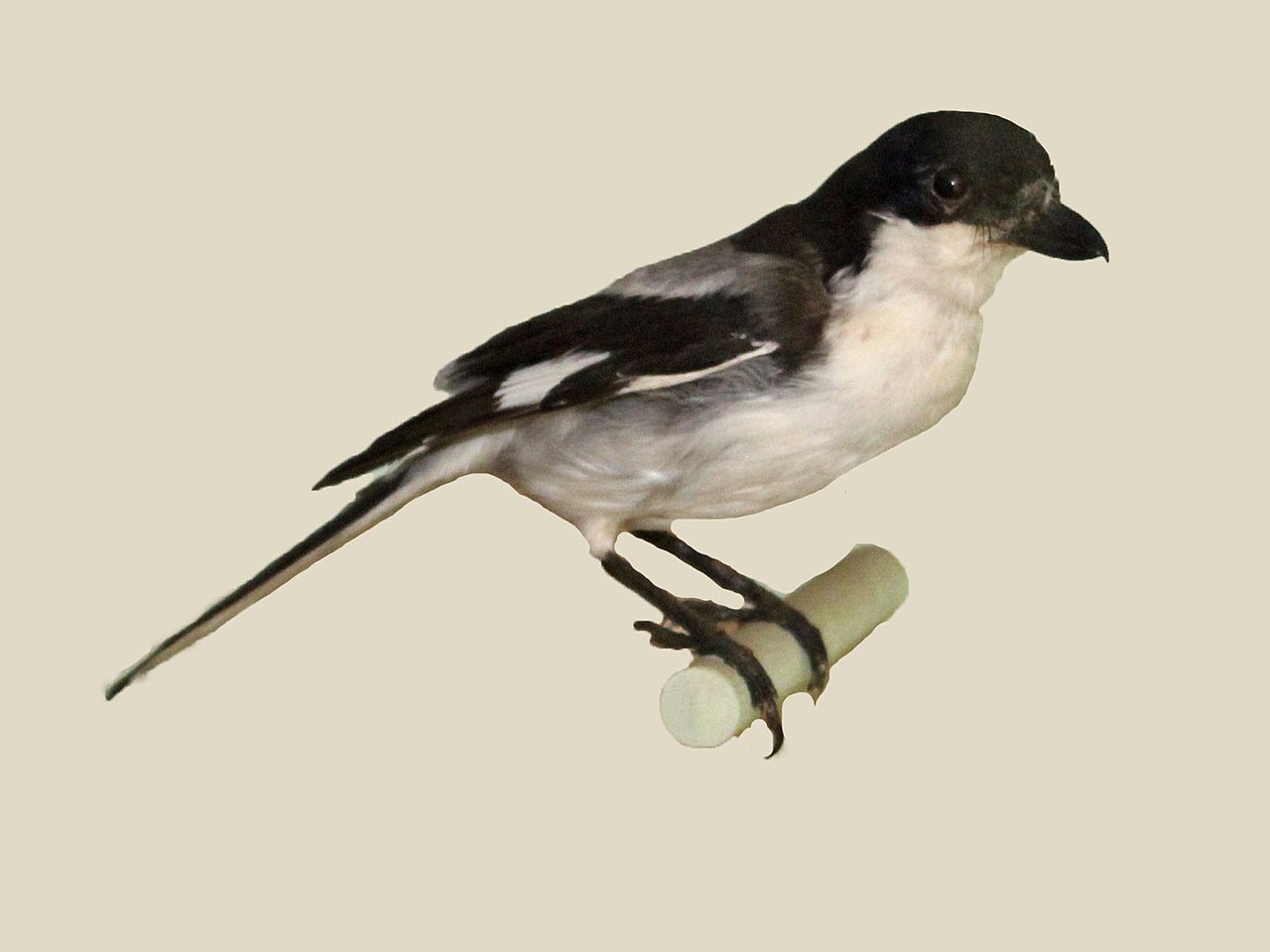
The Somali fiscal is a species of bird in the family Laniidae. Other common names include the Karoli fiscal, the Somali fiscal shrike and the Somali shrike. The bird is found in Djibouti, Ethiopia and Somalia in the Horn of Africa, as well as in Kenya in the African Great Lakes region. Its natural habitat is subtropical or tropical dry shrubland.
Region
Horn of Africa
Typical Environment
Found across arid and semi-arid lowlands of Somalia, Djibouti, eastern Ethiopia, and into northern and eastern Kenya. It favors open thornbush, acacia savanna, and dry shrubland with scattered perches such as thorn trees and fence lines. The species also occurs along dry riverine thickets and around lightly cultivated or pastoral areas. It generally avoids dense forest and very high elevations, preferring open, sunlit habitats where perch-hunting is efficient.
Altitude Range
Sea level to 1800 m
Climate Zone
Arid
Ease of Keeping
Beginner friendly: 1/5
The Somali fiscal is a shrike that hunts from exposed perches and often impales prey on thorny twigs to store and tear it—classic shrike behavior. It can be confused with the Northern Fiscal and Gray-backed Fiscal, but shows a paler gray mantle and a distinct black facial mask with white wing and tail flashes. It thrives in dry acacia scrub and semi-desert, adapting well to lightly grazed pastoral landscapes.


Somali Fiscal
Temperament
solitary and territorial
Flight Pattern
short rapid wingbeats with direct, purposeful flights between perches
Social Behavior
Usually seen singly or in pairs holding territories year-round. Pairs nest in thorny shrubs or acacias, building a cup nest where 3–5 eggs are laid; both parents feed the young. Often uses prominent perches to scan for prey and maintains food caches by impaling prey on thorns.
Migratory Pattern
Resident
Song Description
Song is a series of clear whistles, chatters, and harsh scolds delivered from exposed perches. Calls include sharp tchack notes and rattling alarms; some soft mimicry may be interwoven in the song.
Plumage
Pale gray crown and mantle with a bold black mask through the eye, white underparts, and a contrasting black tail with white outer feathers. Wings are black with a clear white patch and white scapulars that show in flight. Overall sleek shrike profile with long tail and upright perch stance.
Diet
Primarily hunts large insects such as beetles, grasshoppers, and caterpillars. Also takes small lizards, small birds, and rodents when available. Typical shrike behavior includes impaling prey on thorns to store food and aid in tearing tough items. Hunts by sit-and-wait from a perch, then pounces to the ground or snatches prey from low vegetation.
Preferred Environment
Open acacia scrub, thornbush, and semi-desert with scattered perches are ideal hunting grounds. Regularly uses fence posts, dead branches, and bush tops to scan. Often forages along track edges and lightly grazed rangelands.