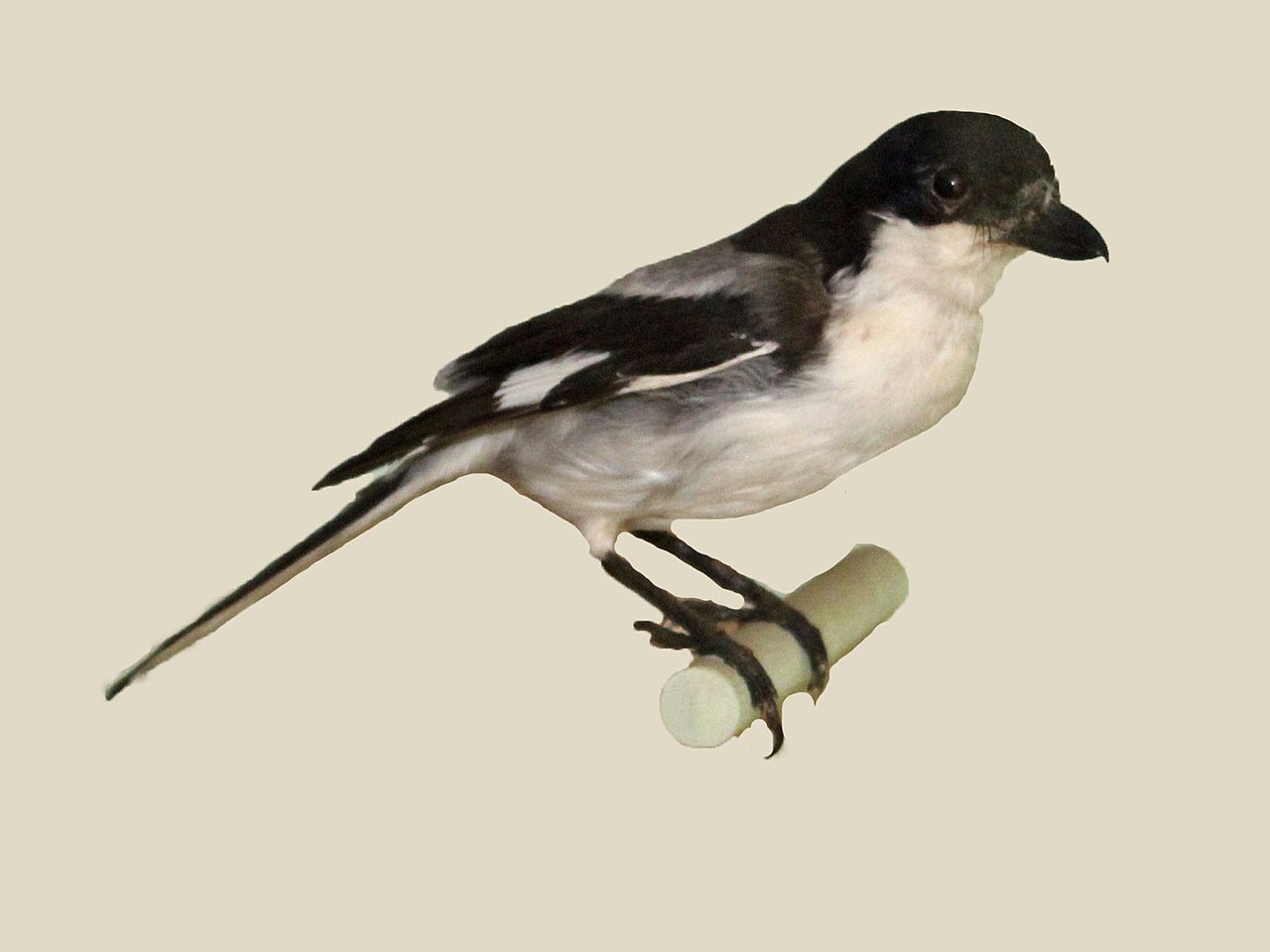
The Somali bunting or Somali golden-breasted bunting is a species of bird in the family Emberizidae.
Region
Horn of Africa
Typical Environment
Occurs from northern and eastern Somalia into adjacent eastern Ethiopia and northern to northeastern Kenya, favoring Acacia-Commiphora thornbush, dry scrub, and open rocky slopes with scattered shrubs. It uses edges of dry riverbeds, lightly wooded pastures, and semi-arid savanna mosaics. Often near human-altered landscapes where shrubs and seed sources remain. Tolerates arid conditions but requires some shrub cover for nesting and shelter.
Altitude Range
Sea level to 2000 m
Climate Zone
Arid
Ease of Keeping
Beginner friendly: 2/5
Also known as the Somali golden-breasted bunting, this small emberizid favors arid thorn-scrub and dry savanna in the Horn of Africa. It resembles the southern African golden-breasted bunting but is treated as a distinct species by most authorities. Its bold black-and-white head stripes and bright yellow underparts make it conspicuous when singing from exposed perches.

Temperament
generally shy but conspicuous when singing
Flight Pattern
short rapid wingbeats with undulating bouts
Social Behavior
Typically seen singly or in pairs during the breeding season; small loose groups may form outside it. The nest is a small cup placed low in a shrub or thorny bush. Clutch size is usually 2–4 eggs, and both parents attend the young.
Migratory Pattern
Resident
Song Description
A clear, ringing series of whistles and trills delivered from an exposed perch, often at dawn. Calls include sharp, metallic 'tsip' notes and softer contact chips.
Plumage
Crisp black-and-white head striping with a white supercilium and malar separated by black crown and facial bands; warm chestnut mantle and upperparts with fine darker streaking; bright golden-yellow underparts that can shade to buff on the belly; contrasting white wing patch and white outer tail feathers.
Diet
Primarily seeds of grasses and forbs, which it husks with its stout bill. Adds small insects such as beetles, termites, and caterpillars, especially during breeding to provision nestlings. Will also take buds and occasionally small berries when available.
Preferred Environment
Forages on the ground and low in shrubs within thorn-scrub, open savanna, and along dry watercourses. Often uses sparsely vegetated, rocky or sandy patches where seeds are easy to glean.