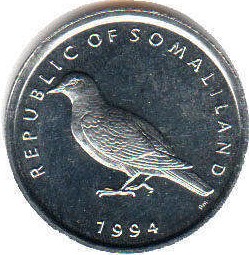
The Somali golden-winged grosbeak or Somali grosbeak is a finch endemic to north western Somalia. It is included as a subspecies in R. socotranus by some authorities, but in recent times the three golden-winged grosbeak populations are usually considered distinct species.
Region
Horn of Africa
Typical Environment
Occurs in arid to semi-arid montane woodlands and scrub on limestone escarpments and highland plateaus. It favors juniper, olive, and frankincense-Boswellia dominated woodland, as well as wadis with fig and other fruiting trees. Birds often use steep slopes and cliffy terrain where mature fruiting trees persist. Degradation of these habitats through woodcutting and resin harvesting can limit local distribution.
Altitude Range
900–2200 m
Climate Zone
Highland
Ease of Keeping
Beginner friendly: 1/5
The Somali golden-winged grosbeak is a heavy-billed finch restricted to the montane ranges of northwestern Somalia. It has striking golden-yellow patches in the wings and tail that flash in flight, contrasting with otherwise brownish plumage. Taxonomically, it was long treated as a subspecies of the Socotra golden-winged grosbeak but is now commonly recognized as a distinct species. Its tiny range and degradation of juniper and frankincense woodlands make it a conservation concern.

Temperament
shy and elusive
Flight Pattern
short rapid wingbeats with undulating hops between trees
Social Behavior
Usually seen singly, in pairs, or in small family groups; outside breeding it may form loose flocks at fruiting trees. Pairs are thought to be monogamous and nest discreetly in dense foliage of juniper or other evergreen trees. Nests are cup-shaped and placed well off the ground to avoid predation.
Migratory Pattern
Resident
Song Description
Song is a soft series of mellow whistles and trills delivered from canopy perches. Calls include husky cheeps and piping notes, often given in flight or while foraging quietly.
Plumage
Sturdy, brownish finch with a very heavy conical bill; wings and tail show bright golden-yellow panels. Males often have a duskier head with a subtle dark mask and paler grey-brown crown; females are duller overall. Underparts are warm brown to buff with minimal streaking.
Diet
Feeds primarily on fruits and fleshy arils, especially juniper berries, figs (Ficus), and seeds of frankincense and other dryland trees. It also takes buds and some hard seeds, cracking them with its powerful bill. Occasional ingestion of small invertebrates may occur, especially during breeding, but fruit remains the staple.
Preferred Environment
Most often forages in the canopy of mature juniper, olive, and Boswellia trees on escarpments and in upland wadis. It also visits isolated fruiting trees along forest edges and steep gullies where disturbance is lower.