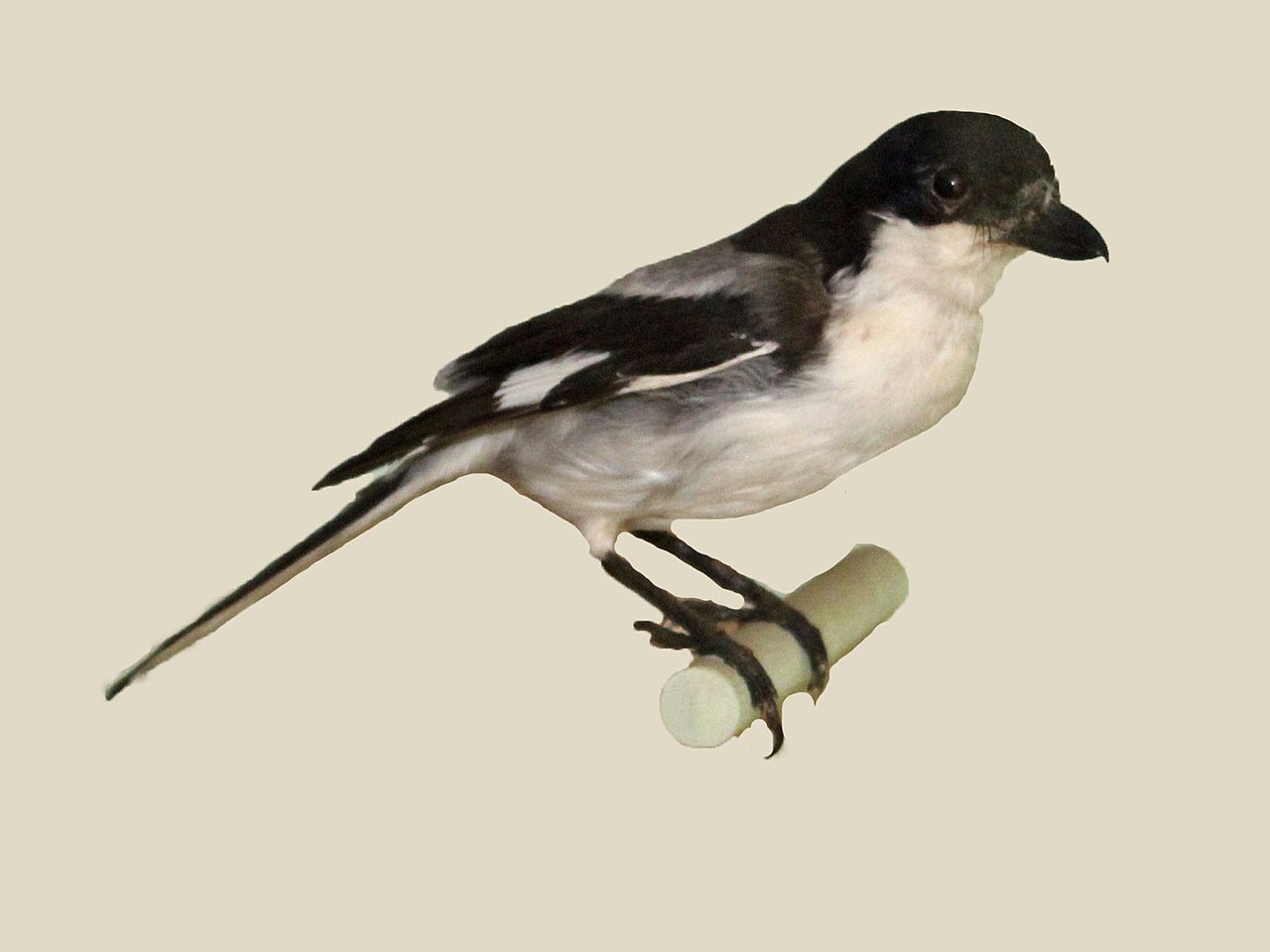
The Somali bee-eater is a species of bird in the family Meropidae. It is found in Ethiopia, Kenya, Saudi Arabia, Somalia and Tanzania. This is a small bee-eater that prefers arid country and desert areas where it may be locally common. The International Union for Conservation of Nature has assessed its conservation status as being of "least concern", postulating that clearing of woodland and forest is creating new suitable habitat for the bird and that its population trend may therefore be rising.
Region
Horn of Africa and southwestern Arabian Peninsula
Typical Environment
Occurs patchily across arid and semi-arid lowlands of Somalia, eastern Ethiopia (Ogaden), and northeastern Kenya, reaching northern Tanzania, with small populations in southwestern Saudi Arabia. Prefers thorny Acacia–Commiphora scrub, dry savanna, semi-desert, and wadis with scattered bushes. Often found near sandy banks, erosion gullies, or road cuttings suitable for nesting burrows. Hunts from low, exposed perches one to a few meters above ground, making quick aerial sallies after flying insects.
Altitude Range
Sea level to 1800 m
Climate Zone
Arid
Ease of Keeping
Beginner friendly: 1/5
A small arid-country bee-eater, it hunts bees and wasps by sallying from exposed perches and deftly removes stingers by wiping prey against the perch before swallowing. It nests in short burrows dug into sandy banks or road cuttings, usually in pairs or loose colonies. Clearing of woodland and forest has created more suitable open habitat in parts of its range, and the species is assessed as Least Concern.

Temperament
social and active
Flight Pattern
short rapid wingbeats with brief glides
Social Behavior
Usually seen in pairs or small loose groups and sometimes forms small nesting colonies. Both sexes excavate the nesting tunnel and share incubation and chick-feeding duties. Territorial near nest sites but generally tolerant at feeding areas.
Migratory Pattern
Resident
Song Description
Gives soft, rippling trills and high, tinkling calls, often rendered as thin 'prree' notes. Vocalizes frequently while foraging and in flight, maintaining contact with mates or group members.
Plumage
Green upperparts with a yellow throat bordered below by a narrow black gorget; underparts buff to rufous-buff. Black eye mask and a slightly warmer rufous-tinged crown; tail greenish with bluish tones and short central streamers. Sleek, glossy plumage typical of bee-eaters with a neat, compact appearance.
Diet
Feeds mainly on flying insects, especially bees and wasps, but also dragonflies, beetles, and butterflies. Captured prey are returned to a perch, where stingers are removed by squeezing and wiping before swallowing. Foraging is typically by aerial sallies launched from exposed, low perches.
Preferred Environment
Open patches within thorn scrub, semi-desert, and dry savanna, including edges of cultivation and along dry riverbeds and road verges. Often selects areas with nearby sandy banks suitable for nesting.