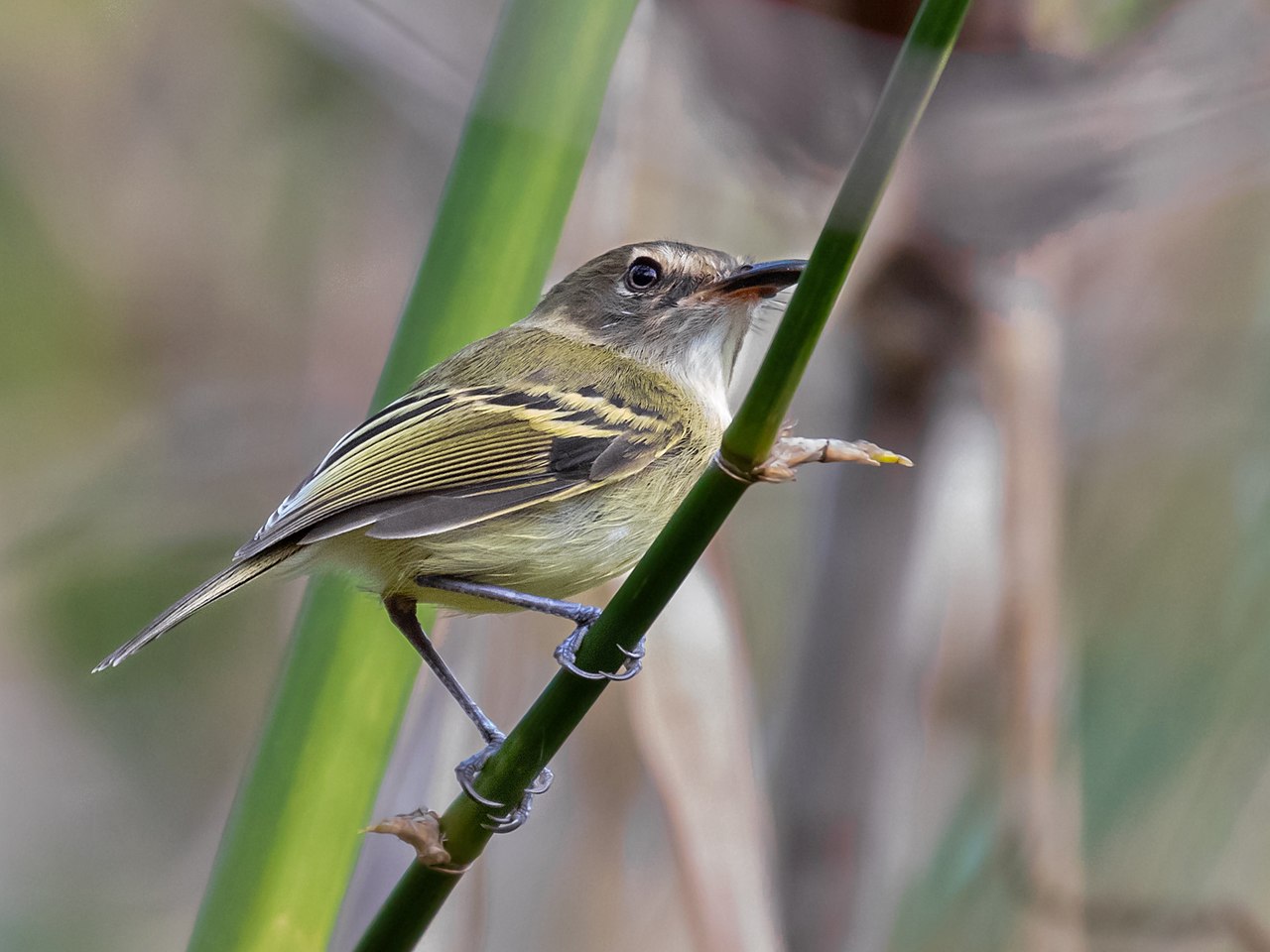
Smith's longspur is a bird from the family Calcariidae, which also contains the other species of longspurs. A bird of open habitats, it breeds in northern Canada and Alaska, and winters in the southern United States. Primarily a ground-feeding seed-eater, it supplements its diet with insects in the summer.
Region
Arctic and Subarctic North America
Typical Environment
Breeding occurs in northern Alaska and northwestern Canada, especially in sedge–dwarf shrub tundra, wet meadows, and tussocky heath. Birds favor open, sparsely vegetated ground with patches of bare soil and low willow or birch scrub for nesting cover. During migration and winter they shift to the central and southern Great Plains and adjacent regions, using shortgrass prairies, pastures, and agricultural stubble fields. They often select recently harvested fields, prairie edges, and weedy patches rich in fallen seeds.
Altitude Range
Sea level to 1000 m
Climate Zone
Polar
Ease of Keeping
Beginner friendly: 1/5
Smith's longspur breeds on open, often wet tundra and winters on shortgrass prairies and agricultural fields in the central and southern United States. It has an unusual polygynandrous mating system in which both sexes may have multiple mates and multiple males can help feed a single brood. Ground nests are well-camouflaged among sedges and dwarf shrubs, and flocks can number in the hundreds on wintering grounds.


Temperament
social and active
Flight Pattern
short rapid wingbeats with bounding, low over open ground
Social Behavior
On breeding grounds, pairs form within a complex polygynandrous system, and multiple males may provision a single nest. Nests are placed on the ground, well hidden among sedges or dwarf shrubs. In winter, birds gather in loose to large flocks that move through fields and prairies while foraging.
Migratory Pattern
Seasonal migrant
Song Description
The male’s song is a light, tinkling warble often delivered during fluttering display flights over the territory. Calls include dry rattles and soft chips, especially when flushed from the ground.
Plumage
Streaked brown upperparts with a warm buff wash on the face, breast, and flanks; two pale wingbars; and white outer tail feathers. Breeding males show richer buff-orange tones on the face and underparts with sharper head patterning, while nonbreeding and females are duller and more streaked overall.
Diet
Seeds of grasses, sedges, and weeds form the bulk of the diet outside the breeding season. In summer they add insects such as beetles, flies, caterpillars, and other arthropods, which are important for nestlings. They forage almost exclusively on the ground, picking items from bare patches or low vegetation.
Preferred Environment
Breeding birds feed in wet tundra with sedge tussocks, low heaths, and dwarf willow/birch. In winter they favor shortgrass prairies, grazed pastures, and harvested agricultural fields with abundant spilled grain and weed seeds.