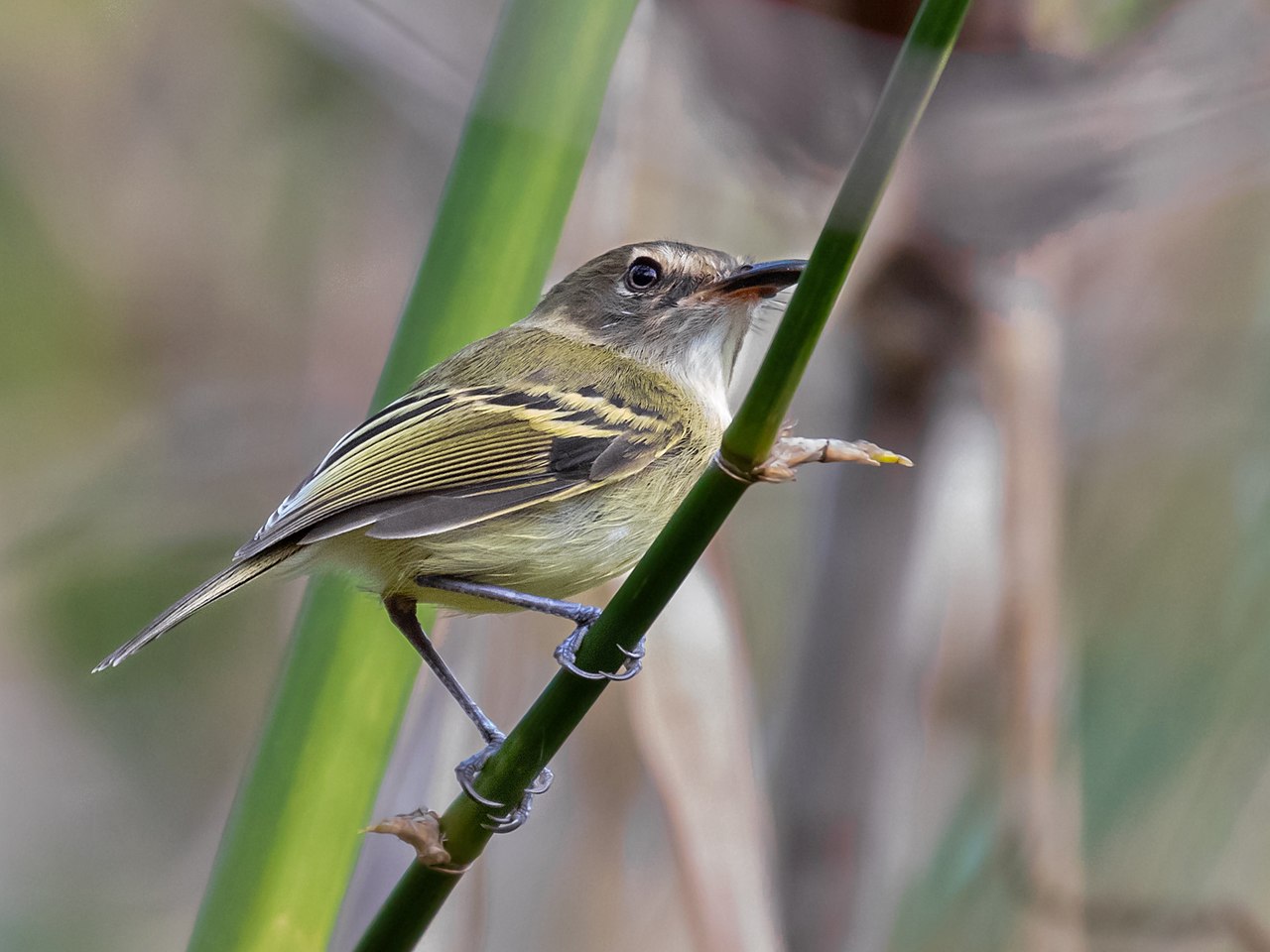
The smoky-brown woodpecker is a species of bird in subfamily Picinae of the woodpecker family Picidae. It is found in Argentina, Belize, Bolivia, Colombia, Costa Rica, Ecuador, El Salvador, Guatemala, Honduras, Mexico, Nicaragua, Panama, Peru, and Venezuela.
Region
Central America and northern South America
Typical Environment
Found from southern Mexico through Belize and Panama into the Andes of Colombia, Ecuador, Peru, Venezuela, and south to Bolivia and northern Argentina. It inhabits humid evergreen and cloud forests, foothill forests, forest edges, and mature secondary growth, and can occur in shaded plantations. Birds forage from understory to mid-canopy on trunks, dead snags, and larger branches. It tolerates some disturbance but relies on areas with standing dead wood for nesting.
Altitude Range
Sea level to 2500 m
Climate Zone
Tropical
Ease of Keeping
Beginner friendly: 1/5
This small, subtly colored woodpecker ranges from southern Mexico through Central America into the Andes and northern Argentina. It often joins mixed-species flocks and forages quietly, making it easy to overlook. Like other woodpeckers, it excavates nest cavities in dead wood, which later provide nesting sites for other birds. Its broad range and adaptability keep it relatively secure despite ongoing habitat loss in parts of its range.


Male in Colombia

Temperament
shy and unobtrusive
Flight Pattern
bounding flight with short rapid wingbeats
Social Behavior
Usually seen singly or in pairs and often joins mixed-species foraging flocks. Monogamous pairs excavate nest cavities in dead wood, and both sexes share incubation and chick-rearing duties. Territorial drumming is relatively soft compared to larger woodpeckers.
Migratory Pattern
Resident
Song Description
Vocalizations include quiet pik or chuk notes and a soft rattling series when excited. Drumming is short, rapid, and subdued.
Plumage
Overall sooty- to olive-brown with fine barring on the back and wings; underparts dusky with faint streaking. Head plain with a subtle pale eyebrow; males show a small red nape patch.
Diet
Feeds mainly on ants, termites, beetle larvae, and other wood-boring insects; also takes small spiders and occasionally fruit. It probes crevices, pecks and scales bark, and inspects dead limbs for larvae. Foraging is typically deliberate and methodical.
Preferred Environment
Forages on trunks, dead snags, and thicker branches in humid forest, edges, and mature secondary growth. Frequently works mid-levels but will descend to lower trunks, especially along edges and trails.