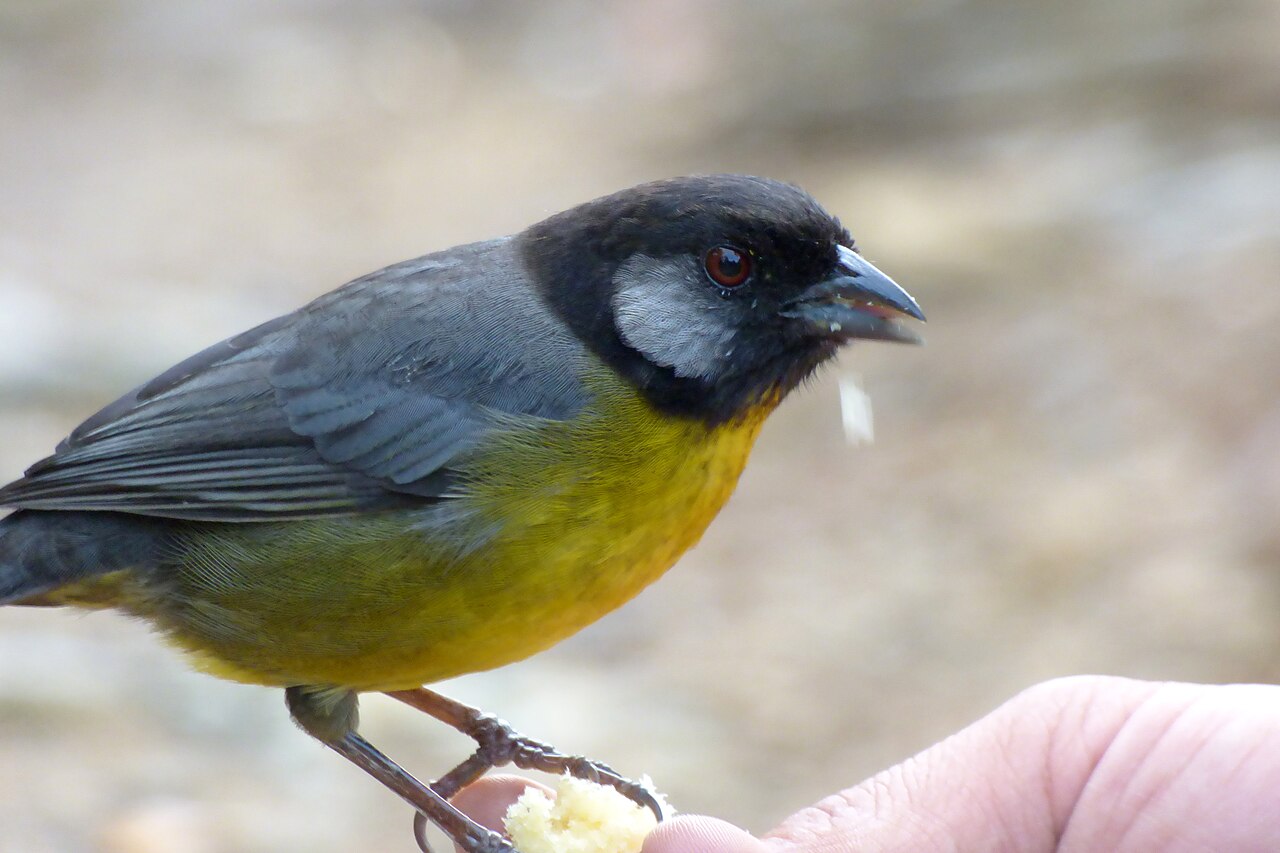
The Santa Cruz fantail is a species of bird in the family Rhipiduridae that is endemic to the Santa Cruz Islands in the Pacific Ocean. It was formerly considered to be a subspecies of the Australian rufous fantail.
Region
Southwest Pacific (Santa Cruz Islands)
Typical Environment
Occurs on forested islands of the Santa Cruz group, using lowland and foothill rainforest, secondary growth, and coastal thickets. Frequently works along forest edges, clearings, and village gardens where insect prey is abundant. Often forages in the shady understory and midstory, but will sally into sunlit gaps. It is most common in lightly disturbed habitats and along stream corridors. Typically absent from very open, treeless areas.
Altitude Range
Sea level to 800 m
Climate Zone
Tropical
Ease of Keeping
Beginner friendly: 1/5
A lively member of the fantail family, it constantly fans and flicks its tail while foraging, which helps flush hidden insects. It is part of the rufous fantail complex and was formerly treated as a subspecies of the Australian rufous fantail. Endemic to the Santa Cruz Islands, it adapts well to secondary growth and forest edges. Its confiding behavior often brings it close to people on forest trails.
Temperament
social and active
Flight Pattern
short rapid wingbeats with agile sallies
Social Behavior
Usually seen singly or in pairs, occasionally in small family groups. Territorial during the breeding season, performing tail-fanning and wing-flicking displays. Builds a neat cup nest suspended from a forked twig or thin branch, typically low to mid-level in the forest.
Migratory Pattern
Resident
Song Description
A quick series of thin, high-pitched twitters and trills interspersed with sharp chips. Scolding chatters are common when disturbed, and soft, musical phrases are given during foraging.
Plumage
Compact fantail with a broad, often-spread tail; upperparts brown with warm rufous tones, underparts buff to rufous with a paler throat. The tail shows a dark subterminal band and a paler tip when fanned. Fine, subtle streaking or mottling can appear on the throat and upper breast.
Diet
Primarily small flying insects such as flies, moths, and beetles, taken by sallying from perches. Also gleans spiders and other arthropods from foliage, vines, and bark. Tail-fanning and wing-flicking help flush concealed prey from leaves and understory tangles.
Preferred Environment
Forages along shady forest trails, edges, and clearings where insects concentrate. Often hunts near streams, in secondary growth, and around village gardens and forest margins.