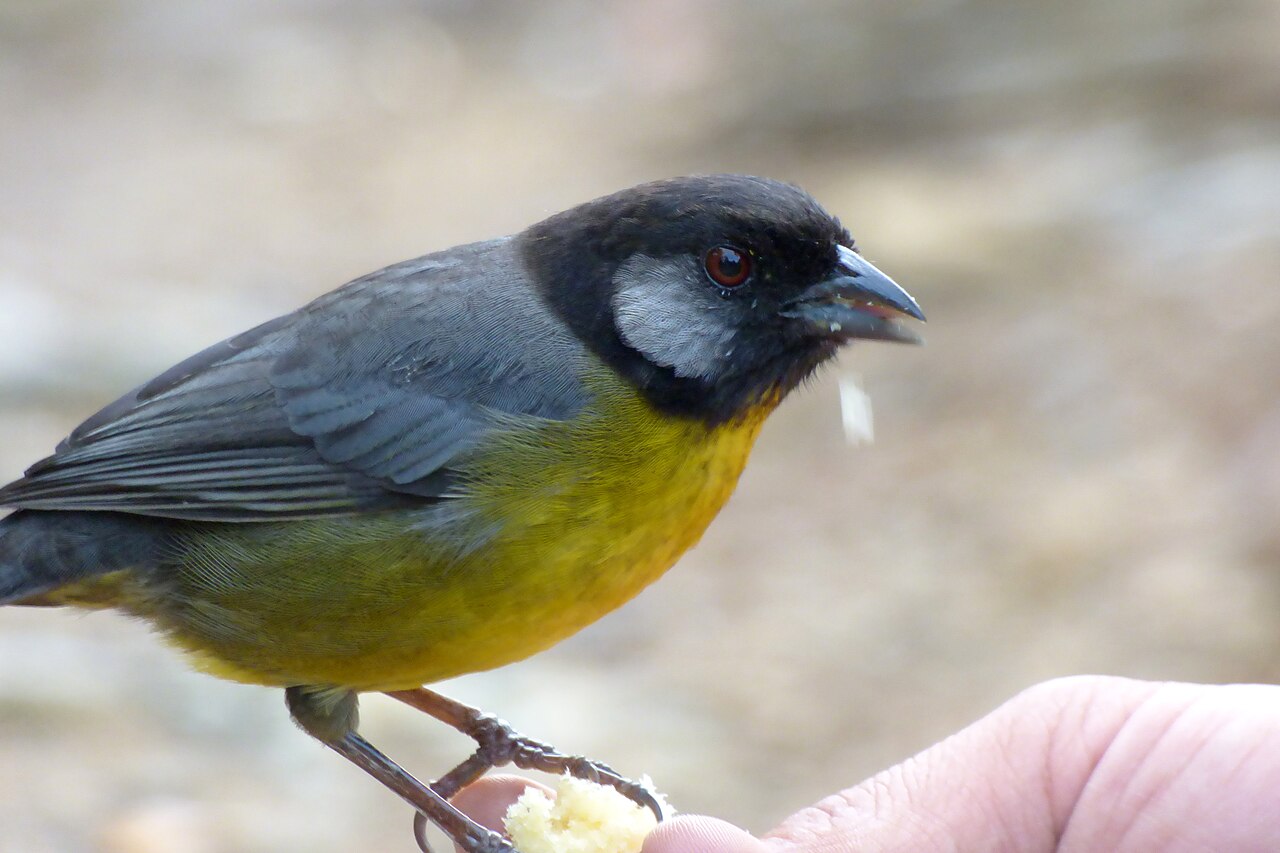
The sangkar white-eye is a bird species in the family Zosteropidae. It is also known as the Sunda white-eye. It is found in forested habitats on the Indonesian islands of Java and Bali. In Java it is typically found at elevations between 200–1,600 m (660–5,250 ft), but it sometimes occurs at lower elevations as well.
Region
Sunda Islands (Java and Bali)
Typical Environment
Occurs in forested habitats from lowland foothills to lower montane zones, especially in evergreen forest, forest edge, and secondary growth. It readily uses bamboo thickets, scrub, and agroforests such as coffee and mixed fruit plantations. In some areas it ventures into parks and well-vegetated gardens near forest. Trapping pressure is highest near settlements and accessible forest margins.
Altitude Range
0–1600 m
Climate Zone
Tropical
Ease of Keeping
Beginner friendly: 2/5
Also called the Sunda or Javan white-eye, this small songbird is heavily trapped for the cage-bird trade—its Indonesian name “sangkar” means “cage.” It forages busily in flocks, often joining mixed-species parties, and plays an important role in insect control and plant pollination. Its bold white eye-ring and lively, tinkling song make it conspicuous when present, though many populations have declined sharply.

Temperament
social and active
Flight Pattern
short rapid wingbeats
Social Behavior
Typically moves in small, chattering flocks, and often joins mixed-species feeding parties in the canopy and mid-story. Pairs are monogamous during the breeding season and build a neat, suspended cup nest in shrubs or small trees. Both parents share incubation and chick-feeding duties.
Migratory Pattern
Resident
Song Description
A lively series of thin, high-pitched twitters and tinkling trills, interspersed with soft chips. Calls are rapid and contact-oriented, keeping flock members coordinated as they forage.
Plumage
Olive-green upperparts with grayish to whitish underparts and a yellow-tinged throat and vent. The feathers are sleek and smooth, with darker wings and tail contrasting slightly with the mantle. A crisp white orbital ring encircles the eye.
Diet
Feeds on small insects and other arthropods gleaned from leaves and twigs, occasionally sallying after airborne prey. Also takes nectar from blossoms and consumes soft fruits and berries. This flexible diet supports it in semi-natural and modified habitats.
Preferred Environment
Most often forages in the canopy and at forest edges, but also visits flowering trees and shrubs in plantations and gardens. It favors areas with dense foliage and abundant blossoms or fruiting plants.