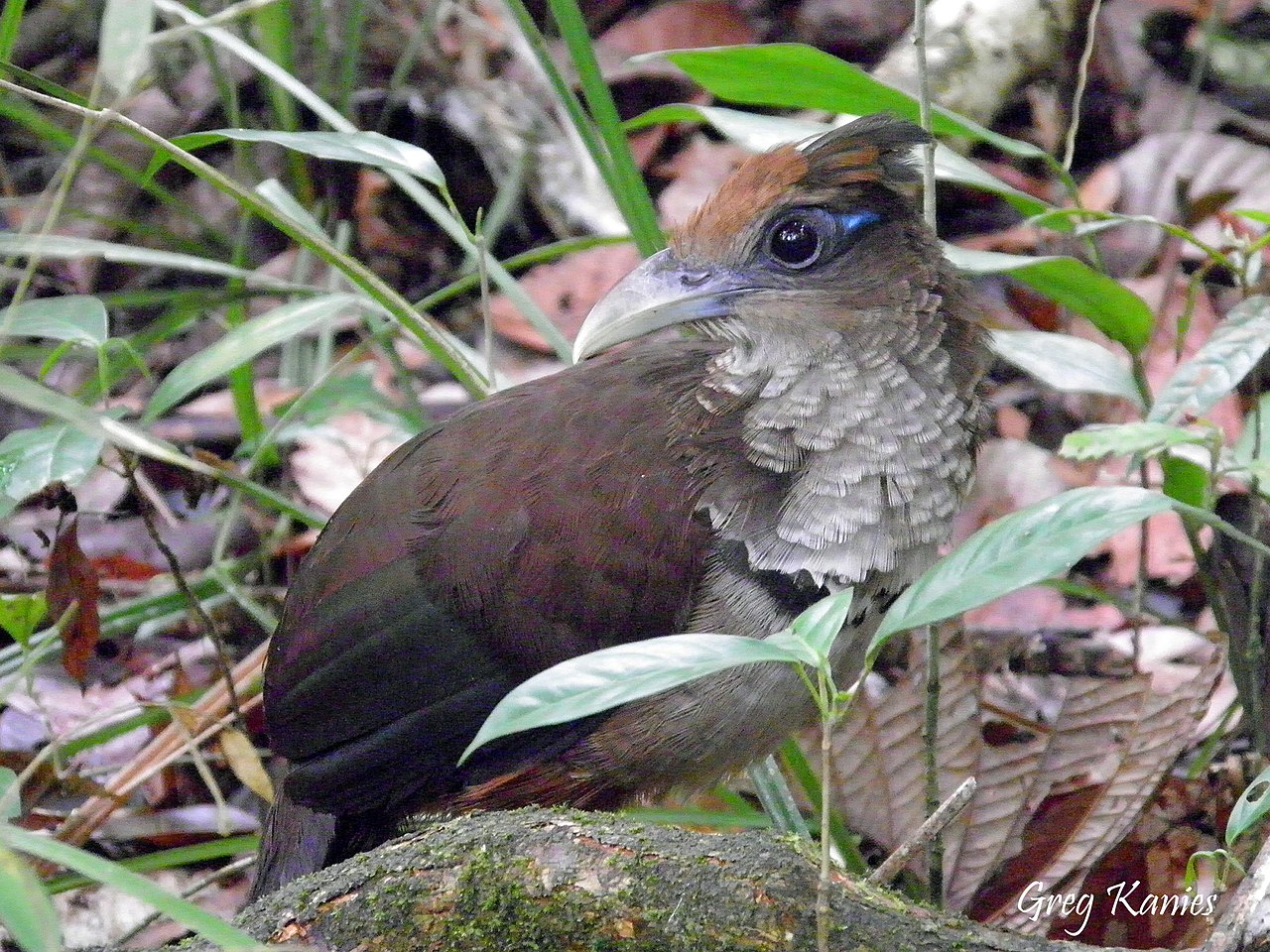
The rufous-throated solitaire is a species of bird placed in the family Turdidae.
Region
Caribbean Islands (Greater and Lesser Antilles)
Typical Environment
Found in humid evergreen and montane rainforests on several Caribbean islands, especially in rugged, shaded ravines and mossy highland woods. It frequents dense understory and midstory layers, perching quietly while foraging. The species also uses forest edges and secondary growth where fruiting trees are abundant. It is more common at higher elevations but may descend during non-breeding periods when food shifts.
Altitude Range
200–1500 m
Climate Zone
Tropical
Ease of Keeping
Beginner friendly: 1/5
The rufous-throated solitaire is a shy, forest-dwelling thrush renowned for its ethereal, flute-like song that carries through Caribbean montane forests. On islands like Dominica it is locally called the 'siffleur montagne' and is an emblematic voice of the highland rainforest. It prefers dense, humid habitats and is more often heard than seen. Its diet mixes small fruits with insects, helping disperse forest seeds.


Temperament
solitary and secretive
Flight Pattern
short rapid wingbeats with quick dashes through understory
Social Behavior
Usually solitary or in pairs, especially in the breeding season. Nests are typically placed in sheltered ledges or banks within dense vegetation. Pairs defend small territories centered on key song perches and fruiting trees. Outside breeding, it remains quiet and inconspicuous, sometimes joining mixed-species flocks around fruit sources.
Migratory Pattern
Resident
Song Description
Song is a pure, bell-like series of fluted notes and cascading phrases, ringing across valleys. Phrases are deliberate and spaced, often delivered from hidden perches at dawn and dusk. Calls include soft, thin whistles when moving through cover.
Plumage
Smooth gray upperparts with paler gray underparts and a contrasting rich rufous throat, often bordered by a whitish arc. Subtle whitish belly and clean, neat feathering give a sleek appearance. Tail and wings are dusky gray-brown with little patterning.
Diet
Takes a wide variety of small fruits and berries, including those of native forest trees and shrubs. Supplements fruit with insects and other small invertebrates gleaned from foliage, branches, and leaf litter. Occasionally hawks short distances for flying insects. Its fruit eating contributes to seed dispersal within montane forests.
Preferred Environment
Feeds in shaded understory and mid-canopy layers near fruiting trees, along ravines, and on mossy slopes. Also forages quietly along forest edges and in regenerating secondary growth where berries are abundant.