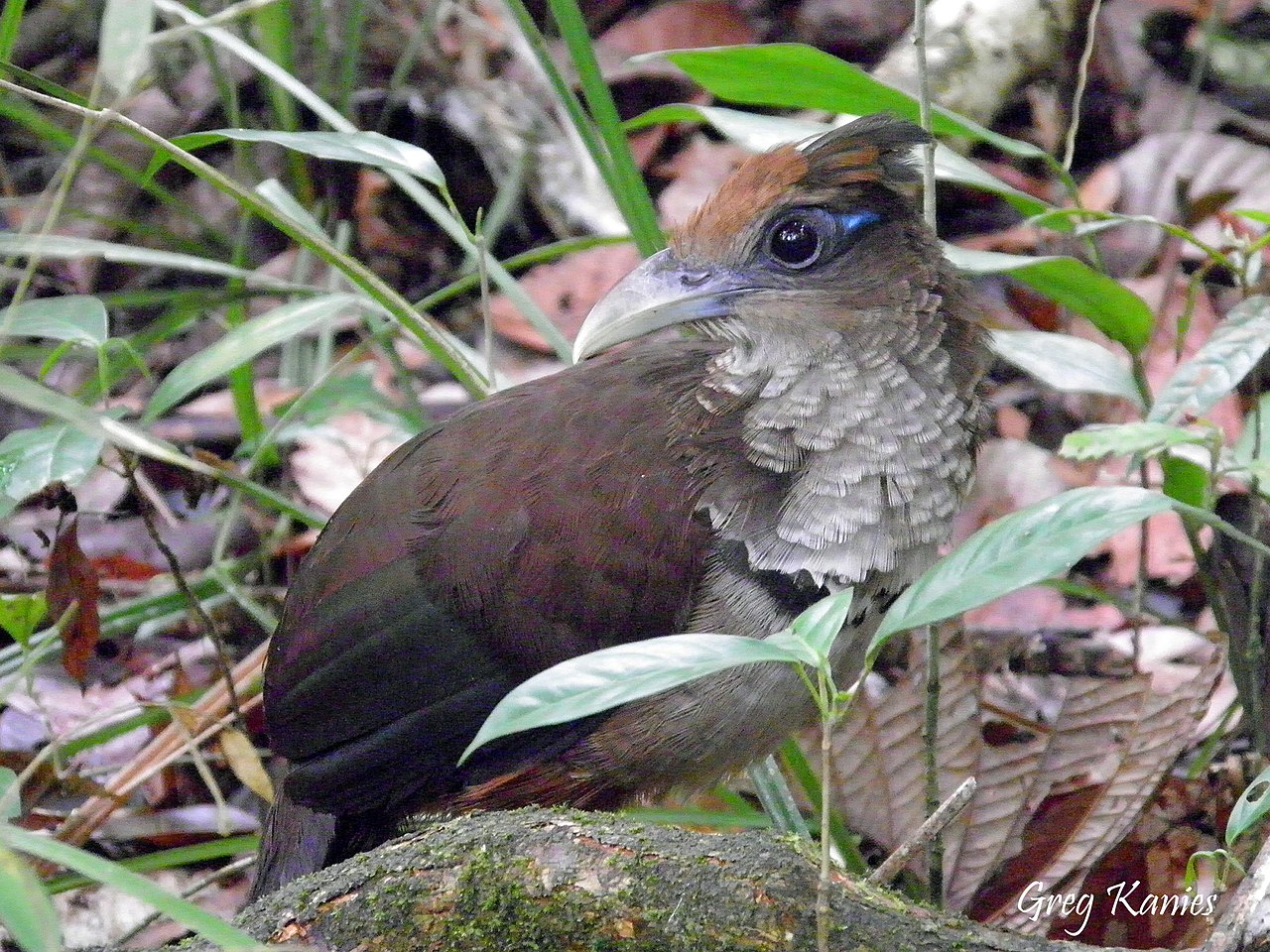
The rufous-throated wren-babbler is a species of bird in the family Timaliidae. It is found in Bhutan, India, and Nepal.
Region
Central and Eastern Himalayas
Typical Environment
Occurs in Bhutan, northeastern India (especially Sikkim and Arunachal Pradesh), and eastern Nepal. Prefers dense, moist broadleaf montane forests with thick undergrowth, including rhododendron, oak, and laurel forests. Frequently occupies bamboo thickets, shady gullies, and mossy ravines near streams. It keeps to the lower strata, using tangled roots, fallen logs, and leaf litter for cover.
Altitude Range
1200–2700 m
Climate Zone
Highland
Ease of Keeping
Beginner friendly: 1/5
A shy, ground-loving songster of dense Himalayan undergrowth, the rufous-throated wren-babbler is more often heard than seen. Its clear, whistled phrases carry through mossy ravines and bamboo tangles, where it creeps mouse-like through the leaf litter. It often forms pairs or small family parties and keeps low, making brief fluttering dashes between cover.

Temperament
shy and skulking
Flight Pattern
short rapid wingbeats, low to the ground
Social Behavior
Usually seen in pairs or small family groups, keeping to dense understory. Nests are typically placed low in thick vegetation or near the ground, often dome-like and well concealed. Likely monogamous, with both adults participating in caring for young.
Migratory Pattern
Resident
Song Description
Song is a series of clear, whistled notes delivered from hidden perches, often repeated in short phrases. Calls include thin, metallic chips and soft, scolding notes given while moving through cover.
Plumage
Compact, short-tailed wren-babbler with finely scaled or barred brown upperparts and dense, warm-brown underparts. The throat is distinctly rufous, contrasting with duskier breast and finely patterned flanks. Feathers appear soft and close-fitting, aiding its skulking habits in dense cover.
Diet
Feeds mainly on small insects and other arthropods such as beetles, ants, spiders, and larvae. It gleans from leaf litter, probes mossy logs, and searches among roots and low tangles. Occasionally takes tiny snails or other invertebrates when available.
Preferred Environment
Forages on or near the forest floor in dense understory, bamboo thickets, and damp ravines. Often remains in shaded microhabitats near streams and within tangled vegetation for cover.