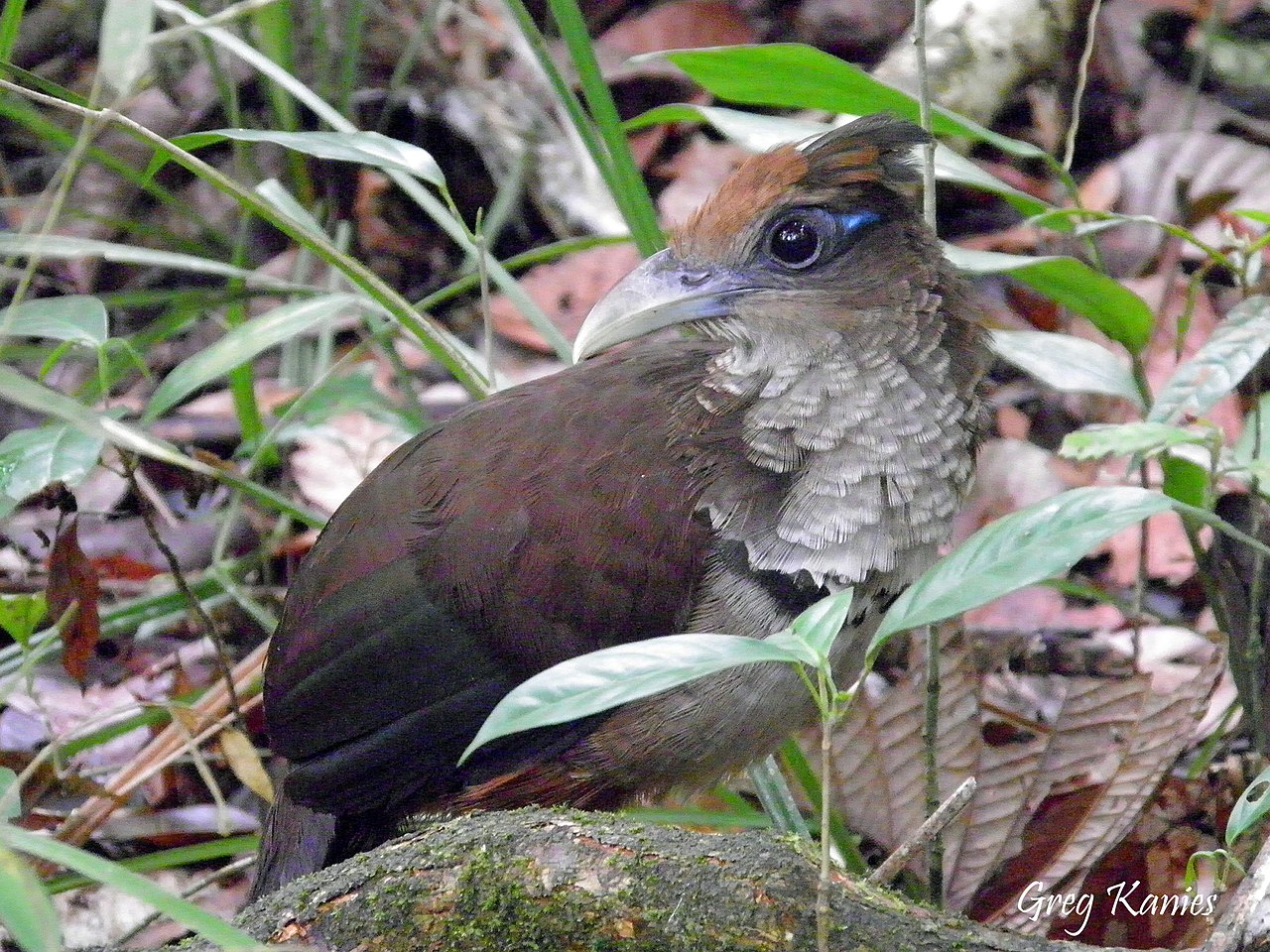
The rufous-vented grass babbler or rufous-vented prinia is a small warbler in the family Pellorneidae that occurs in Pakistan, northwestern India and Nepal.
Region
Indus Basin and northwestern Indian Subcontinent
Typical Environment
Occurs mainly in lowland floodplains with extensive tall grasses, reedbeds, and cane, especially along rivers, canals, and seasonally inundated plains. In Pakistan it inhabits the Indus basin; in northwestern India it occupies similar habitats in Punjab and adjacent regions. It has also been recorded locally in Nepal in suitable Terai grasslands. The species is patchy and tied to dense cover, occasionally using sugarcane and fallow fields near wetlands.
Altitude Range
0–400 m
Climate Zone
Subtropical
Ease of Keeping
Beginner friendly: 1/5
Also known as the rufous-vented prinia, this skulking grassland bird belongs to the babbler family Pellorneidae, having been moved from the prinias after taxonomic revisions. It favors dense riverine grasslands where it slips mouse-like through stems and often reveals itself by a cocked tail and a dry, tinkling song. Habitat loss through grassland conversion and burning is its main threat. It is patchily distributed but can be locally common where suitable tall grasses persist.

Temperament
secretive and skulking
Flight Pattern
short rapid wingbeats in low, fluttering dashes between grass clumps
Social Behavior
Usually found singly, in pairs, or small family groups moving through dense grass. Nests are low, cup-shaped structures concealed in tall stems. Likely monogamous, with both sexes involved in territorial defense and nesting duties during the breeding season.
Migratory Pattern
Resident
Song Description
Song is a dry, tinkling series of notes and trills delivered from within or atop tall grass stems. Calls include thin chips and harsh ticks used for contact and alarm.
Plumage
Warm brown upperparts with fine dark streaking on the crown and mantle, buffy underparts, and distinctly rufous vent and undertail coverts. Tail is long and graduated, often held cocked; wings are short and rounded. A pale supercilium contrasts with a darker eye line, giving a subtly masked look.
Diet
Feeds primarily on small insects and other arthropods such as beetles, grasshoppers, caterpillars, and spiders. It gleans prey from stems and leaves and occasionally snatches items with short sallies. Foraging is usually low to the ground within dense cover, minimizing exposure to predators.
Preferred Environment
Dense, tall grasslands, reedbeds, and cane stands along river floodplains, marsh edges, and canals. It may also forage in adjacent fallow fields and sugarcane where structure mimics natural habitat.