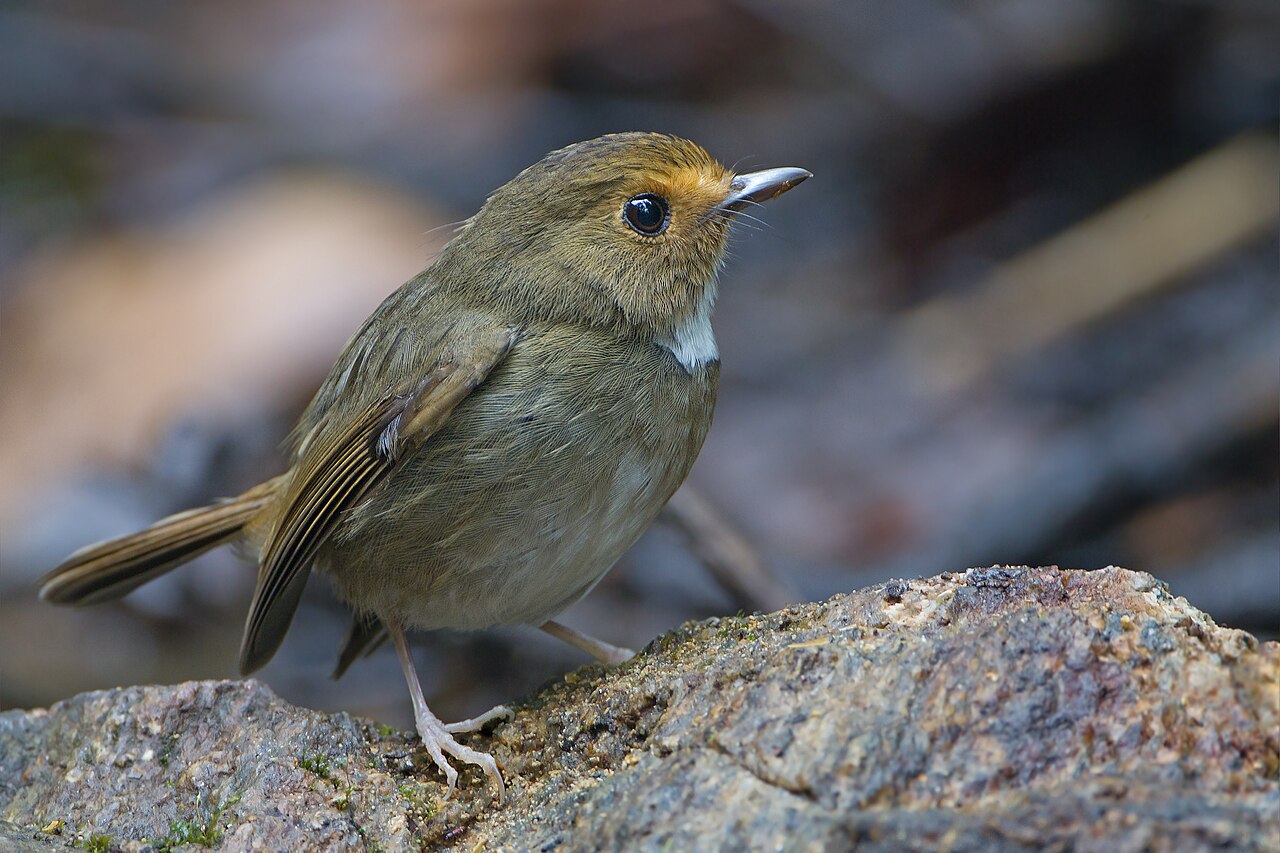
The rufous-breasted sparrowhawk, also known as the rufous-chested sparrowhawk and as the red-breasted sparrowhawk, is a species of bird of prey in the family Accipitridae. It is found in Angola, Democratic Republic of the Congo, Eritrea, Eswatini, Ethiopia, Kenya, Lesotho, Malawi, Mozambique, Rwanda, South Africa, South Sudan, Tanzania, Uganda, Zambia, and Zimbabwe.
Region
Eastern and Southern Africa
Typical Environment
Occurs from Eritrea and Ethiopia through East Africa to southern Africa, including the highlands of Kenya and Tanzania and south through Mozambique, Zimbabwe, South Africa, Lesotho, and Eswatini. Prefers montane and Afromontane forests, moist evergreen and riverine woodland, and forest edges adjoining savanna. Also uses plantations, wooded ravines, and well-treed suburbs and parks. Often associates with dense cover for ambush hunting but will cross open areas between woodlots.
Altitude Range
Sea level to 3000 m
Climate Zone
Subtropical
Ease of Keeping
Beginner friendly: 1/5
This compact woodland hawk is named for its rich rufous chest, which contrasts with slate-grey upperparts. It often hunts along forest edges and even visits suburban gardens, darting through foliage to surprise small birds. Adults show striking red eyes, while juveniles have yellower eyes and browner, streaked underparts. It can be confused with African goshawk or little sparrowhawk, but its warmer chest tones and proportions help separate it.

Temperament
solitary and territorial
Flight Pattern
short rapid wingbeats interspersed with brief glides
Social Behavior
Typically observed singly or in breeding pairs holding well-wooded territories. Builds a stick nest high in a tree; the female incubates while the male provides food. Clutch size is usually 2–4 eggs, and pairs may reuse or refurbish old nests.
Migratory Pattern
Resident
Song Description
Usually quiet, but gives a rapid, high-pitched ki-ki-ki series, especially near the nest or during display. Also emits sharp kek calls in alarm or when interacting with mates.
Plumage
Slate-grey upperparts with a barred tail; underparts show a rich rufous breast grading to finely barred whitish lower belly. Throat often whitish with faint streaking; undertail coverts pale. Juveniles are browner above with streaked, buffy underparts.
Diet
Feeds mainly on small to medium-sized birds such as weavers, bulbuls, and doves. Will take small mammals, lizards, and large insects opportunistically. Hunts by stealth from concealed perches and with sudden, fast chases through vegetation.
Preferred Environment
Forages along forest edges, riparian thickets, plantations, and well-treed suburbs where cover allows ambush. Often patrols garden bird feeders or bird-rich clearings adjacent to woodland.