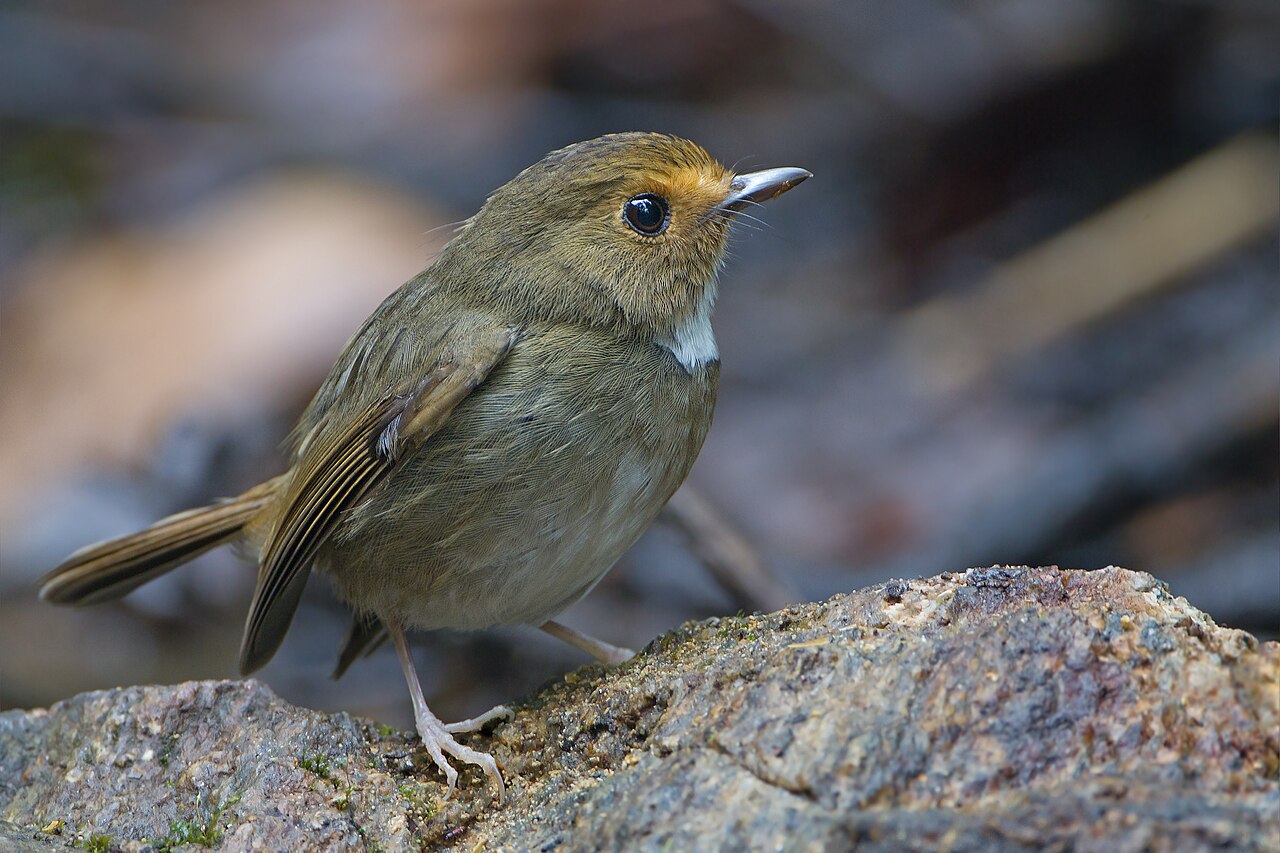
The rufous-breasted warbling finch is a species of bird in the family Thraupidae. It is endemic to Peru.
Region
Central Peruvian Andes
Typical Environment
Occurs in arid to semi-arid intermontane valleys and dry montane scrub, including thorny shrublands on rocky slopes and canyon edges. It uses ecotones around scattered trees, hedgerows, and shrubby field margins, and can persist in moderately disturbed scrub mosaics. It is less common in dense forest and generally avoids humid montane habitats. Local densities can be patchy, tied to shrub cover and seed availability.
Altitude Range
1800–3600 m
Climate Zone
Highland
Ease of Keeping
Beginner friendly: 2/5
This small tanager is confined to dry montane scrub of the central Peruvian Andes. It often sings a clear, sweet warble from exposed shrub tops despite otherwise skulking habits. Habitat loss from overgrazing and agricultural expansion is the main threat, and conservation focuses on protecting dry inter-Andean shrublands.


Temperament
shy and skulking
Flight Pattern
short rapid wingbeats
Social Behavior
Typically seen singly, in pairs, or small family groups moving low through shrubs. Builds a cup nest concealed in dense bushes; both sexes participate in parental care. Breeding likely aligns with the austral spring–summer when food is most available.
Migratory Pattern
Resident
Song Description
A clear, melodious warble delivered from exposed perches atop shrubs. Calls include thin, dry chips and short trills used to keep contact within pairs.
Plumage
Neat, compact warbling finch with a contrasting rufous breast patch, grayish head and upperparts, and a paler whitish belly. The wings and tail are dusky with faint pale wingbars, and the back can show warm brown tones. Plumage is cleanly marked rather than heavily streaked.
Diet
Feeds on small seeds, berries, and a variety of arthropods gleaned from foliage and the ground. Insects are taken more frequently during the breeding season to provision young. It picks seeds from grasses and forbs and will probe flower heads and shrub clusters for invertebrates.
Preferred Environment
Forages within dense thorny scrub, along rocky slopes, and at shrubby field margins. Often works methodically through low to mid-level vegetation, occasionally dropping to the ground to pick seeds.