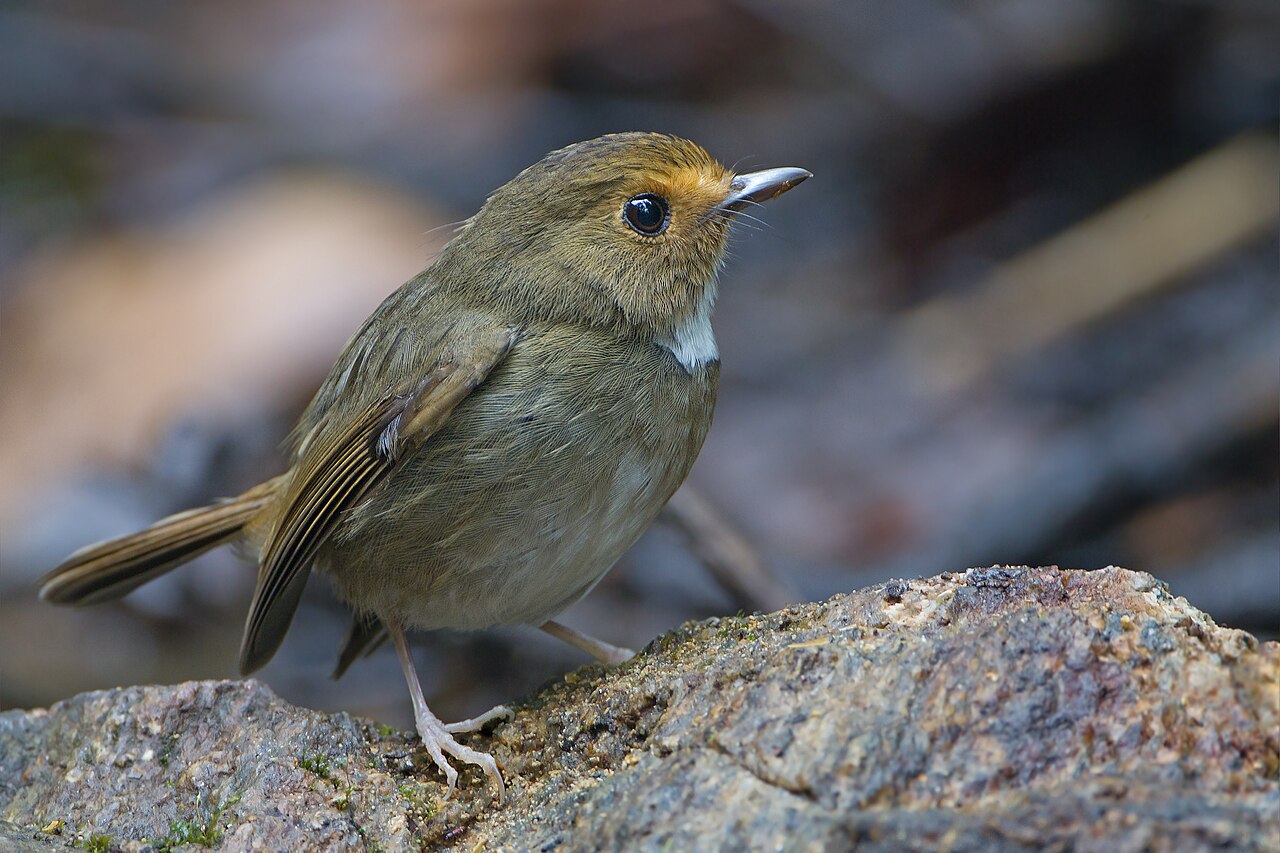
The rufous-breasted spinetail is a species of bird in the Furnariinae subfamily of the ovenbird family Furnariidae. It is found in Belize, El Salvador, Guatemala, Honduras, and Mexico.
Region
Mesoamerica (southern Mexico to northern Central America)
Typical Environment
Occurs from southern Mexico through Belize, Guatemala, Honduras, and El Salvador, chiefly in lowlands and foothills. Prefers dense second growth, thorn scrub, overgrown clearings, and forest edges. Common in brushy pastures, hedgerows, and shaded coffee or cacao plantations where understory is retained. Often keeps close to the ground within vine tangles and rank grass. Tolerates human-altered landscapes as long as continuous thicket cover persists.
Altitude Range
Sea level to 1500 m
Climate Zone
Tropical
Ease of Keeping
Beginner friendly: 1/5
A skulking ovenbird of dense thickets, the rufous-breasted spinetail is often detected by its sharp chatter before it is seen. Pairs keep low in tangled vegetation with tails cocked, frequently carrying twigs while building their bulky stick nests. It adapts well to disturbed habitats like hedgerows and coffee plantations, provided dense cover is available.


Temperament
secretive and active
Flight Pattern
short rapid wingbeats, stays low
Social Behavior
Typically found in pairs or small family groups within dense cover. Monogamous, with pairs defending territories year-round. Builds a bulky, domed stick nest with a side entrance, usually placed low in thorny shrubs or vines.
Migratory Pattern
Resident
Song Description
Song is a rapid series of sharp chips accelerating into a chatter, often delivered as a duet by a pair. Calls include dry ticks and scolds given from inside thickets.
Plumage
Upperparts brown to gray-brown with a long, graduated rufous tail and rufous-edged wings; underparts grayish with a rich rufous breast and upper belly. Face shows a pale buffy supercilium and slightly darker auriculars; throat gray to whitish. Feathers appear somewhat loose and shaggy on the tail, typical of spinetails.
Diet
Primarily feeds on small insects and other arthropods such as beetles, ants, spiders, and caterpillars. Gleans prey from leaves, stems, and vine tangles, and probes dead foliage or suspended leaf clusters. Occasionally flicks tail while foraging and may sally short distances to seize exposed prey.
Preferred Environment
Forages within dense, low vegetation, especially thorny scrub, second growth, and edge thickets. Often works along hedgerows, overgrown field margins, and shaded agroforestry plots where continuous understory exists.