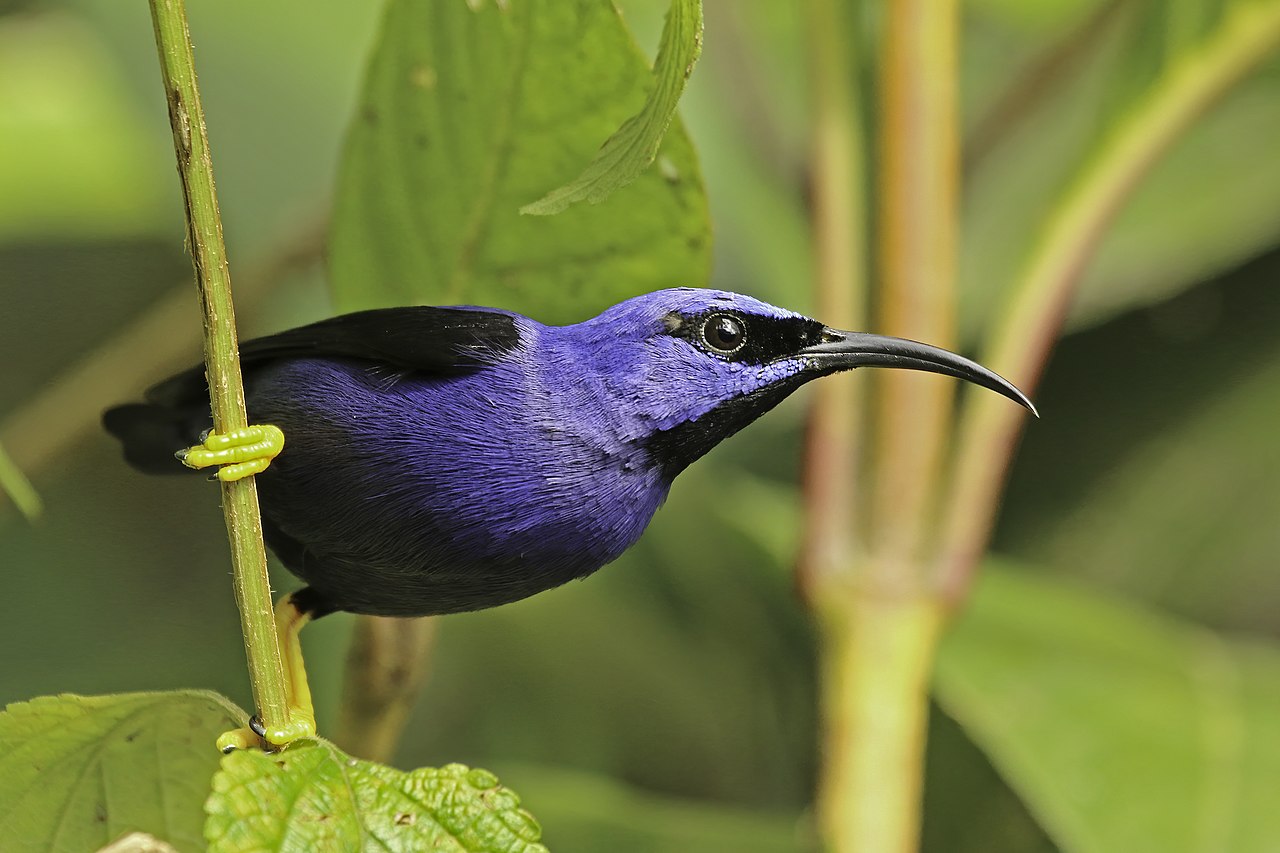
The Puno antpitta is a species of bird in the family Grallariidae. It is found in Bolivia and Peru.
Region
Andes Mountains
Typical Environment
Occurs in humid montane and elfin forests of southeastern Peru (Puno Region) and adjacent western Bolivia. It keeps to dense understory, especially mossy thickets, bamboo (Chusquea), and forest edges near ravines. Birds are typically found on steep slopes and along shaded trails where leaf litter accumulates. They are local but can be fairly regular where intact forest persists. Fragmentation limits their occurrence in disturbed landscapes.
Altitude Range
2600–3800 m
Climate Zone
Highland
Ease of Keeping
Beginner friendly: 1/5
Recently recognized as a distinct species split from the Rufous Antpitta complex, the Puno antpitta is a shy ground-dweller of humid Andean forests in southeastern Peru and adjacent Bolivia. It is far more often heard than seen, with distinctive vocalizations that are key to identification. It favors dense understory such as mossy thickets and bamboo, where it hops quietly along the forest floor. Because of its secretive habits, most encounters come from patient listening at dawn.
Temperament
shy and skulking
Flight Pattern
short rapid wingbeats, low to the ground
Social Behavior
Usually solitary or in pairs, maintaining territories within dense understory. Nests are typically placed low in vegetation or on banks, with both parents participating in care. Courtship and territorial interactions are signaled primarily through song. They spend most time on or near the ground, hopping and pausing to listen.
Migratory Pattern
Resident
Song Description
Song is a series of clear, mournful whistles delivered at measured intervals, often beginning with a slightly higher-pitched note. Calls include soft hoots and piping notes that carry well through dense forest. Vocalizations are often the first and only clue to its presence.
Plumage
Plump, short-tailed antpitta with warm rufous-brown upperparts and rich cinnamon to rufous underparts; breast may show very fine scaling or mottling. Throat slightly paler, blending into the chest. Underparts otherwise fairly uniform with subtle darker flanks.
Diet
Feeds mainly on arthropods such as ants, beetles, spiders, and caterpillars, gleaned from leaf litter and low vegetation. It will also take small earthworms and other soil invertebrates. Foraging involves short hops, pausing to listen, and quick strikes into the leaf litter. It may occasionally attend army-ant swarms to capture flushed prey.
Preferred Environment
Forages on the shaded forest floor in dense understory, including bamboo and mossy thickets. Often along trails, stream edges, and landslide scars where invertebrates are abundant but cover remains thick.