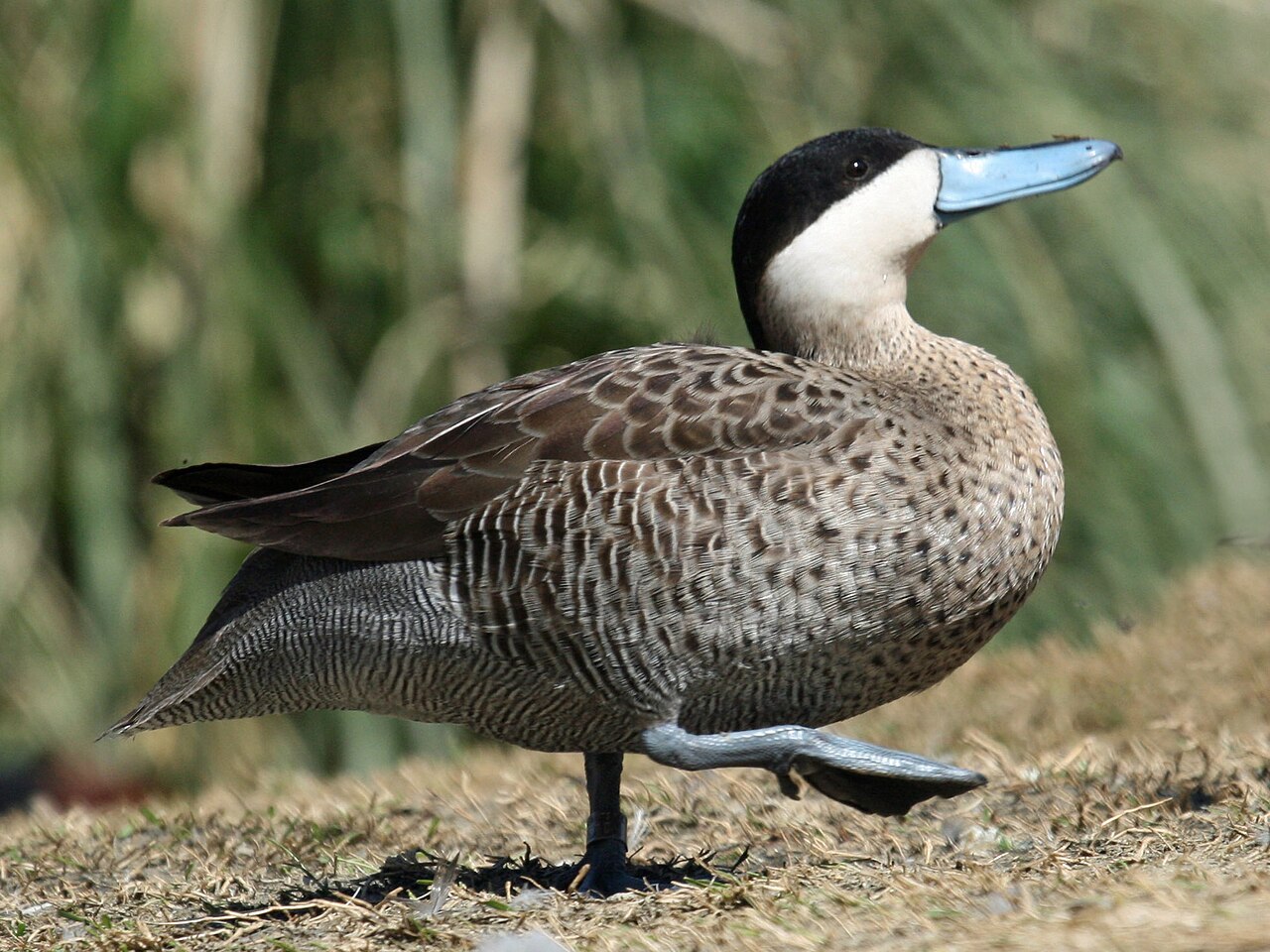
The Puna ibis is a species of bird in the family Threskiornithidae. It is found in Argentina, Bolivia, Chile, and Peru. Its natural habitats are swamps, marshes and lakes, and most of its range is in the Andean highlands, including the puna, but locally it occurs down to sea level.
Region
Andes Mountains
Typical Environment
Occurs across the central Andes of Peru, Bolivia, northern Chile, and northwestern Argentina. It favors swamps, marshes, lake margins, flooded meadows, and wetlands with dense emergent vegetation such as totora reeds. While primarily a highland species of the puna and Altiplano, it sometimes descends to lower valleys and coastal wetlands. Local movements follow water availability and seasonal flooding. Breeding colonies are established in extensive marshes with stable water levels.
Altitude Range
Sea level to 4700 m
Climate Zone
Highland
Ease of Keeping
Beginner friendly: 2/5
The Puna ibis inhabits high Andean wetlands, especially the puna and Altiplano, but can wander to lower elevations, even near sea level. It often forages in groups, probing soft mud with its long decurved bill for aquatic invertebrates. Colonies nest in dense marsh vegetation, where floating or platform nests are built from reeds. It is similar to other dark Plegadis ibises but is tied more closely to high-elevation wetlands.


Temperament
social and wary
Flight Pattern
strong flier with steady wingbeats; often travels in V-shaped flocks
Social Behavior
Typically forages and roosts in flocks, sometimes mixed with other ibises. Breeds colonially in marshes, constructing platform nests of reeds over shallow water. Clutch size is usually 2–4 eggs, and both parents share incubation and chick rearing.
Migratory Pattern
Resident
Song Description
Generally quiet away from colonies. At nesting sites it gives low grunts, croaks, and nasal calls used in pair and colony communication. Alarm notes are harsher and more abrupt.
Plumage
Uniformly dark with a glossy, iridescent sheen showing bronze and green tones, especially on wings and back.
Diet
Feeds mainly on aquatic insects and their larvae, worms, crustaceans, and mollusks. It will also take tadpoles, small amphibians, and small fish when available. The long decurved bill is used to probe soft mud and shallow water, detecting prey by touch. Diet composition shifts with water levels and seasonal prey availability.
Preferred Environment
Shallow wetlands with soft substrates, including reedbeds, flooded meadows, lake shores, rice fields, and sewage ponds. Often feeds at the water’s edge or in ankle- to knee-deep water, probing methodically. Uses both natural highland marshes and human-modified wetlands.